
Nylon Hot Melt Yarn 101: Definition, Properties, and Key Characteristics
Table of Contents
- Understanding Nylon Hot Melt Yarn Basics
- Core Definition of Nylon Hot Melt Yarn
- Fundamental Physical & Thermal Properties
- Distinct Key Characteristics of Nylon Hot Melt Filament
- Nylon Hot Melt Yarn vs Polyester Hot Melt Yarn: Side-by-Side Comparison
- Main Product Grades & Specifications for Global Sourcing
- Common Industrial & Textile Application Scenarios
- Frequently Asked Questions for Bulk Buyers
- Conclusion
- Related Sourcing Guides
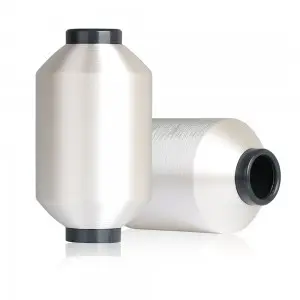
Understanding Nylon Hot Melt Yarn Basics
Textile manufacturers, footwear brands, and composite material suppliers worldwide are steadily shifting away from liquid chemical adhesives and traditional stitching methods. Nylon hot melt yarn, also named thermal fuse yarn or low-melting polyamide filament, has become a foundational functional material for seamless, eco-friendly production lines.
For sourcing managers, material engineers and production supervisors, fully grasping its core definition, inherent properties and unique traits directly impacts product yield, production cost, finished product durability and cross-market compliance. Small mismatches in yarn grade, melting temperature or denier can lead to weak bonding, fabric deformation or failed wash tests. This complete guide breaks down all essential knowledge points to streamline your material selection process.
Core Definition of Nylon Hot Melt Yarn
Nylon hot melt yarn is a modified polyamide filament produced via copolymerization molecular adjustment, with a precisely tuned low melting point far below standard nylon fiber (180–260°C).
During normal weaving, knitting or warping, it blends uniformly with regular nylon, cotton or synthetic fibers and maintains stable filament form. When exposed to controlled dry or moist heat (85°C–180°C), the yarn liquefies, flows into gaps between surrounding fibers, and creates permanent elastic bonding after cooling and solidification.
Unlike separate glue coatings or adhesive films, the yarn itself acts as both structural fiber and bonding medium. It eliminates volatile chemical pollutants, reduces processing steps and avoids pinhole damage caused by traditional sewing needles. Two mainstream raw variants dominate global supply chains:
- Conventional copolymer PA6 hot melt yarn (cost-effective for mass textile production)
- 100% bio-based PA11 hot melt yarn (sustainable, low-carbon premium grade derived from castor oil)
Fundamental Physical & Thermal Properties
Thermal performance and mechanical indicators are the two core evaluation dimensions for procurement. Below is a structured breakdown of standardized properties recognized by international textile testing bodies (SGS, OEKO-TEX):
1. Thermal Properties
- Controllable melting range: Low-temperature grade 85–110°C; medium-temperature grade 110–140°C; high-temperature grade 140–180°C
- Bond activation rule: Production heat setting temperature should be 10–20°C higher than the yarn’s nominal melting point for full melt flow
- Thermal stability: PA11 variants retain stable bonding under long-term exposure below 95°C; PA6 grades soften slightly above 90°C with sustained heat exposure
- Dual heating compatibility: Works equally well with dry heat presses and steam moist heat equipment
2. Mechanical Properties
- High tensile tenacity: Maintains structural strength before melting; cured bonding points resist stretching and tearing
- Superior abrasion resistance: Outperforms polyester hot melt yarn, extending service life of footwear and heavy webbing
- Elastic recovery: Flexible solidified bond, suitable for stretch fabrics (yoga wear, seamless underwear) without cracking after repeated stretching
- Low shrinkage rate: Minimal dimensional shift after heat bonding and repeated washing
3. Environmental & Surface Properties
- Zero toxic volatiles during melting; free of formaldehyde, heavy metals and phthalates, compliant with REACH, RoHS and OEKO-TEX Standard 100
- Low moisture absorption (especially PA11 bio-based type), reducing fabric wrinkling and size change in humid environments
- Excellent dye affinity, supports mass color customization without uneven color migration
- Breathable bonding layer, no plastic film barrier effect to block air circulation
Distinct Key Characteristics of Nylon Hot Melt Filament
These unique features separate nylon thermal fuse yarn from all other bonding textiles, forming its core market advantages for global buyers:
- Self-bonding integration It serves as both weaving raw material and adhesive, removing separate gluing lamination steps. Factories can cut 20–30% of production time and reduce auxiliary equipment investment.
- Low-temperature gentle bonding advantage The mainstream 85–110°C melting window fits heat-sensitive materials including thin lace, silk blends and ultra-light lining fabrics, avoiding fiber scorch or discoloration common with high-temp polyester hot melt.
- Compatible with identical polyamide substrates Nylon hot melt creates molecular fusion with regular PA6/PA11 fibers, delivering far stronger wash-resistant adhesion than polyester bonding yarn used on nylon textiles. Finished products pass 50+ household washing cycles without delamination.
- Dual FDY & DTY structural options
- FDY fully drawn hot melt yarn: Smooth, high tenacity, ideal for sewing threads, flyknit shoe upper reinforcement
- DTY draw textured hot melt yarn: Crimped, elastic, designed for knitwear, seamless apparel and stretch webbing
- Sustainable bio-based variant availability PA11 hot melt yarn uses castor oil as feedstock, requiring no arable farmland that competes with food crops. Its full lifecycle carbon emissions are 50% lower than standard PET filament, meeting EU low-carbon textile certification standards.
- Customizable specifications Suppliers support tailored denier (20D–150D), melting points, raw color, semi-dull luster and spool winding weight to match targeted production equipment and end products.
Nylon Hot Melt Yarn vs Polyester Hot Melt Yarn: Side-by-Side Comparison
For buyers selecting bonding fiber, this reference table clarifies selection logic based on production conditions and finished product demands:
| Comparison Item | Nylon Hot Melt Yarn (PA6 / PA11) | Polyester Hot Melt Yarn (Co-PES) |
|---|---|---|
| Standard Melting Point | 85–110°C (low temp friendly) | 110–150°C (higher heat required) |
| Bond Softness & Elasticity | Soft, elastic, no rigid feel after curing | Stiff, high dimensional rigidity |
| Best Matching Substrate | Nylon knit, stretch fabrics, footwear uppers | Polyester woven, rigid industrial composites |
| Wash & Stretch Durability | Resists cracking under repeated stretching | Prone to brittle fracture with frequent stretch |
| Eco Carbon Footprint | PA11: 50% lower carbon vs PET | Fossil oil-based, higher carbon output |
| Typical Ideal Products | Seamless underwear, sports shoes, elastic lace, sewing threads | Automotive hard interiors, non-woven filter sheets, rigid luggage lining |
Main Product Grades & Specifications for Global Sourcing
Global inventory and custom orders focus on three mainstream series with fixed standard deniers:
- Low-temperature PA6 Hot Melt Yarn (85–100°C) Common specs: 70D/24F FDY, 100D/36F DTY Target buyers: Apparel factories, lace manufacturers, light knitwear brands
- Medium-temperature PA6 Hot Melt Yarn (100–130°C) Common specs: 150D/48F FDY, 100D/72F DTY Target buyers: Flyknit footwear producers, heavy webbing suppliers, sofa lining manufacturers
- Bio-Based PA11 Hot Melt Yarn (90–115°C) Common specs: 20D, 70D, 150D FDY/DTY in semi-dull virgin grade Target buyers: Sustainable fashion brands, EU export manufacturers, premium activewear labels
Common Industrial & Textile Application Scenarios
The wide adaptability of nylon thermal fuse yarn covers consumer textile and industrial composite sectors:
1. Footwear Manufacturing
3D flyknit sneaker uppers, shoe lining bonding, shoelace reinforcement, seamless boot construction—replaces glue spraying to eliminate shoe odor and edge peeling after long wear.
2. Apparel & Lingerie
Seamless sports bras, yoga leggings, underwear waistbands, lace edge fixation, shirt collars and suit lining shaping. Removes stitching pinholes for smooth, skin-friendly surfaces.
3. Webbing & Sewing Thread Raw Material
High-strength elastic webbing, bag strap bonding, hot melt sewing thread that locks fabric layers during stitching to prevent seam fraying.
4. Home Textiles
Sofa cover composite layers, curtain edge sealing, mattress non-woven fiber fixation, carpet backing bonding.
5. Industrial & Automotive Textiles
Car interior composite foams, safety belt auxiliary bonding, sound insulation fabric lamination, lightweight filter material reinforcement.
Frequently Asked Questions for Bulk Buyers
Q1: What melting temperature grade should I choose for thin nylon lace?
Select the 85–100°C low-temperature PA6 or PA11 grade. Higher melting points will require excessive heat that scorches delicate thin fibers, damaging lace transparency and softness.
Q2: Can bio-based PA11 hot melt yarn be dyed in the same process as standard nylon?
Yes. PA11 shares nearly identical dye affinity with conventional polyamide fiber; no separate dyeing equipment or temperature adjustments are needed during mass production.
Q3: How to verify consistent batch quality before placing large orders?
Request SGS test reports covering melting point uniformity, tensile strength and wash bond strength. Arrange small trial rolls to run through your factory’s heat setting line and test finished product peeling resistance.
Q4: Does nylon hot melt bonding withstand industrial washing for activewear?
Standard PA6 grades pass 30 industrial wash cycles; premium PA11 hot melt yarn maintains full bonding performance after 50 washes without delamination or loose fibers.
Q5: What certifications are mandatory for EU textile exports?
Supplied yarn must carry OEKO-TEX Standard 10, RoHS and REACH compliance documentation. Bio-based PA11 additionally supports carbon footprint audit for sustainable brand labeling.
Conclusion
Nylon hot melt yarn is a versatile, performance-driven functional textile material that solves long-standing production pain points including chemical adhesive pollution, stitching damage and fabric delamination. Its adjustable melting range, flexible elastic bonding and sustainable PA11 variant options cater to footwear, apparel, home textile and industrial composite buyers across all global markets.
Mastering its definition, thermal and mechanical properties, and core distinguishing characteristics enables sourcing teams to accurately match yarn grades to production equipment and end-product requirements, lowering waste rates and boosting finished product quality consistency. When comparing bonding fiber materials, prioritize nylon hot melt yarn for stretch-sensitive, low-temperature processing and eco-focused manufacturing lines.
Post time: Aug-14-2026