
Lead Time for Bulk Hot Melt Yarn Orders Explained
Introduction
For global textile sourcing managers, footwear manufacturers, upholstery brands and industrial composite buyers, lead time is one of the most critical metrics shaping production schedules, inventory budgets and seasonal product launches. Hot melt yarn—including polyester low-melt filament, PA6 hot melt POY/DTY and fully bio-based PA11 bonding yarn—relies on precise extrusion, thermal setting and dyeing workflows that create unique timeline variables rarely covered in general textile sourcing guides.
Many bulk buyers receive vague delivery windows from suppliers, creating costly risks: delayed footwear upper production, stalled seamless apparel lines, missed retail seasonal stock windows and rushed air freight surcharges. This complete breakdown demystifies every stage of bulk hot melt yarn order timelines, outlines core factors that extend or shorten delivery windows, shares industry-standard benchmark lead times across yarn types, and delivers actionable strategies to cut delays for long-term bulk procurement partnerships.
Whether you place monthly full-container bulk orders or seasonal large-lot custom colored hot melt yarn, this guide aligns with factory production workflows and global supply chain realities to help you forecast, negotiate and schedule orders with full transparency.
Table of Contents
- What Counts as Lead Time for Hot Melt Yarn Bulk Orders? Key Definitions
- Step-by-Step Breakdown of Full Bulk Production Timeline
- Standard Lead Time Benchmarks by Hot Melt Yarn Category
- 6 Major Factors That Extend Bulk Hot Melt Yarn Lead Times
- Proven Strategies to Shorten Lead Time for Large-Volume Orders
- How to Avoid Common Lead Time Disputes With Yarn Manufacturers
- Final Bulk Order Checklist to Lock in Reliable Delivery Schedules
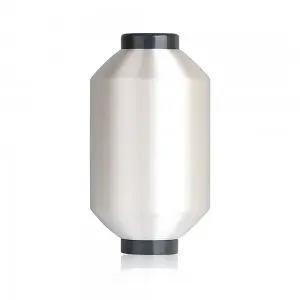
1. What Counts as Lead Time for Hot Melt Yarn Bulk Orders? Key Definitions
Before calculating delivery windows, buyers must clarify two distinct timeline definitions suppliers use interchangeably, which is the top source of scheduling misalignment:
Production Lead Time (Factory Floor Only)
Covers all work from raw material staging through finished yarn QC, packaging and warehouse readiness for pickup. This timeline excludes cross-border shipping, customs clearance and destination port delivery. Most professional yarn manufacturers quote this metric first for bulk contracts.
End-to-End Total Lead Time
Combines factory production lead time plus international freight, customs processing and inland delivery to your manufacturing facility. This is the timeline you need to map against your internal production launch dates.
Critical distinction for hot melt yarn specifically: unlike regular textile filament, low-melt bonding yarn requires extra drying, thermal stabilization and melt-point testing stages that add fixed production days not present in standard weaving yarns. Bio-based PA11 hot melt yarn adds additional raw material sourcing lead time due to limited global biopolymer supply chains.
2. Step-by-Step Breakdown of Full Bulk Production Timeline
Below is a standardized stage-by-stage timeline applicable to ton-level bulk hot melt yarn orders (1,000kg+ MOQ), covering polyester, PA6 and bio-based PA11 low-melt filament variants:
Stage 1: Pre-Production Confirmation & Raw Material Preparation (3–14 Days)
- Tech pack and specification review: 1–3 business days (verifying denier, filament count, target melting point, tensile strength and shrinkage tolerance)
- Raw polymer sourcing:
- Stock polyester/PA6 chips: 3–5 days internal warehouse staging
- Bio-based PA11 polymer pellets: 7–14 days (limited global feedstock availability, import logistics for biopolymer resin)
- Pre-production sample validation: 5–10 days for lab spinning, melt testing and color matching (additional 3–7 days per revised sample iteration)
Bulk orders skipping formal sampling cut this stage to 3–5 days for repeat clients with locked specifications.
Stage 2: Extrusion & Filament Spinning (7–20 Days)
Hot melt yarn production runs on dedicated low-temperature extrusion lines that cannot be repurposed for standard textile yarns, creating fixed production queue limits:
- Polymer drying (mandatory for all polyamide hot melt yarn): 4–6 continuous hours per batch to eliminate moisture defects
- Melt extrusion, drawing and winding into raw FDY/POY packages: 5–12 days based on total tonnage
- DTY texturing (for stretch bonding yarn): Add 3–8 extra days for textured filament bulk orders
Large container orders (10,000kg+) occupy full production lines continuously, cutting downtime between batches and stabilizing this timeline at the lower end of the range. Small mixed-spec bulk lots require frequent line cleaning, extending spinning schedules.
Stage 3: Dyeing, Thermal Setting & Functional Finishing (5–18 Days)
This stage creates the widest lead time variance for bulk buyers:
- Undyed natural semi-dull hot melt yarn: 5–7 days heat setting only
- Solid stock color dye lots: 8–12 days (fixed dye bath batches for consistent color matching across bulk rolls)
- Custom Pantone colors, multi-color mixed container orders: 12–18 days (separate dye bath setup, cross-batch color calibration)
All hot melt variants require secondary thermal setting to lock melting point stability, a mandatory step that cannot be removed to accelerate production.
Stage 4: Batch QC, Rework & Export Packaging (3–7 Days)
Full bulk lots undergo AQL 2.5 standard random inspection covering melt temperature testing, abrasion resistance, filament breakage rate and dimensional stability. Minor rework for inconsistent batches adds 2–4 extra days. Final steps include export carton packaging, palletization, certification collation (OEKO-TEX, SGS, RoHS test reports) and shipping document preparation.
Stage 5: Global Freight & Customs Clearance (Variable, Non-Factory Lead Time)
- Sea freight (full container bulk orders): 18–38 days port-to-port plus 3–7 days origin/destination customs
- Air freight (emergency rush bulk replenishment): 4–9 days door-to-door with expedited customs
- Cross-border inland trucking: 2–5 additional days for regional distribution hubs
3. Standard Lead Time Benchmarks by Hot Melt Yarn Category
All timelines below reference factory production lead time only (excluding shipping), split into off-peak and peak textile manufacturing seasons (July–September footwear/apparel production rush):
表格
| Hot Melt Yarn Type | Off-Peak Standard Bulk Lead Time | Peak Season Bulk Lead Time | Fast-Track Stock Option |
|---|---|---|---|
| Stock undyed polyester low melt FDY/DTY | 12–18 days | 22–30 days | 3–7 days ready-to-ship |
| Custom colored polyester hot melt yarn | 20–28 days | 32–45 days | Not available |
| PA6 Nylon hot melt POY/DTY (standard specs) | 15–22 days | 25–35 days | 5–10 days stock |
| 100% bio-based PA11 FDY/DTY hot melt yarn | 28–40 days | 45–60 days | Limited small stock lots only |
Key note: Bio-based PA11 yarn carries longer base lead times due to constrained castor oil-derived polymer supply, specialized low-melt spinning equipment and mandatory sustainability batch traceability testing before bulk release.
4. 6 Major Factors That Extend Bulk Hot Melt Yarn Lead Times
Every sourcing team must account for these six timeline variables when locking in bulk order delivery estimates:
1. Customization Level of Specifications
Off-the-shelf standard deniers, melting points and stock colors maintain the fastest production schedules. Custom tweaks—adjusted melt temperature, special oil-free finishes, ultra-fine 20D filament or semi-dull full matte texture—require dedicated line reconfiguration and lab pre-testing, adding 7–15 days to bulk timelines. Mixed-spec container orders with more than three distinct yarn SKUs also extend production via frequent equipment cleaning cycles.
2. Raw Material Supply Constraints
Polyester chip supply chains typically maintain consistent stock, but bio-based PA11 polymer relies on limited global biopolymer manufacturers. Periodic resin shipment delays directly push bulk PA11 yarn lead times upward. Nylon raw material price volatility also triggers factory production pauses while suppliers lock in bulk resin contracts for large orders.
3. Order Tonnage & Production Line Allocation
Mid-sized bulk orders (1,000–5,000kg) fit flexibly into open production slots. Full 20ft/40ft container orders (10,000kg+) require full line block scheduling but deliver more predictable timelines. Small bulk mixed lots under 1,000kg are often scheduled around larger client orders, creating unpredictable 10–20 day delays. Long-term annual volume buyers receive priority line allocation to avoid this issue.
4. Dyeing Complexity & Color Batch Requirements
Single stock-color bulk orders run through continuous dye baths with minimal downtime. Custom Pantone shades, low-volume multi-color batches and light/bright pigment formulations require separate dye bath preparation, repeated color calibration and extended wash testing to prevent post-production color bleeding—all adding significant production days.
5. Global Textile Peak Season Congestion
July through September represents the industry’s busiest window for footwear, seamless apparel and upholstery yarn orders. Factories allocate limited dedicated hot melt extrusion lines, pushing all bulk lead times up by 10–20 days. Late Q4 holiday manufacturing rushes create a secondary smaller peak with similar scheduling delays.
6. Third-Party Certification & Special Compliance Checks
Orders requiring full OEKO-TEX Standard 100, SGS thermal performance reports or RoHS heavy metal testing need post-production lab sampling before shipment release. Standard orders include routine in-house QC only, while industrial and medical-grade hot melt yarn adds mandatory third-party audit timelines of 3–8 business days.
5. Proven Strategies to Shorten Lead Time for Large-Volume Orders
Buyers managing ongoing bulk hot melt yarn procurement can implement these field-tested tactics to reliably cut delivery windows without sacrificing quality consistency:
Lock Annual Forecast Agreements for Priority Production Slots
Share quarterly or annual volume projections with your yarn manufacturer to secure reserved hot melt extrusion line capacity. Long-term contracted clients receive top-tier scheduling priority during peak seasons, cutting peak lead times by 10–15 days compared to one-time bulk buyers. Many suppliers also offer tiered pricing incentives for forecast commitment alongside faster delivery windows.
Prioritize Stock Standard Specs for Core Production Lines
Map your highest-volume bonding applications to supplier pre-produced stock hot melt yarn variants (standard deniers, fixed melting points, core stock colors). Stock inventory orders eliminate spinning, dyeing and pre-sample stages entirely, with factory release possible within one week. Reserve custom colored or specialty PA11 yarn only for low-volume niche product lines.
Consolidate Multiple Small Bulk Orders Into Full Containers
Separate small tonnage shipments create disjointed production scheduling and longer per-order lead times. Consolidating quarterly demand into single full-container bulk lots reduces line changeover downtime, stabilizes production flow and unlocks supplier mixed-spec flexibility policies to combine multiple SKUs in one shipment.
Complete Pre-Production Sampling 30–60 Days Ahead of Bulk Placement
Avoid last-minute sample revision delays by validating all yarn specifications, color standards and melt performance testing months before bulk order submission. Lock finalized lab dip samples and performance test reports into formal contracts so bulk production launches immediately upon deposit confirmation without iterative approval hold-ups.
Separate Rush Replenishment Orders Via Air Freight Stock Programs
Negotiate a dedicated small stock inventory program with your manufacturer for emergency bulk replenishment. Small pre-stored lots of your core hot melt yarn allow air freight delivery within one week for unexpected production shortages, while your primary large seasonal orders follow standard sea freight production timelines.
6. How to Avoid Common Lead Time Disputes With Yarn Manufacturers
Scheduling conflicts almost always stem from unclear contract terminology and unaligned buyer/supplier expectations. Use these guardrails to eliminate delivery disputes on bulk hot melt yarn orders:
- Explicitly define lead time boundaries in purchase contracts: state clearly whether quoted days cover factory production only or full door-to-door delivery.
- Build mandatory 5–7 day contingency buffer windows into all bulk order timelines to absorb minor raw material or production delays without disrupting your manufacturing.
- Document all specification changes in written addendums, with agreed revised lead time adjustments for every custom tweak to yarn parameters or color batches.
- Confirm weekly production progress reporting terms, including real-time batch status updates once bulk spinning commences.
- Outline clear compensation clauses for unapproved factory delays exceeding contracted timelines, covering expedited air freight cost differences or production downtime losses.
7. Final Bulk Order Checklist to Lock in Reliable Delivery Schedules
Cross-reference every item before issuing formal bulk hot melt yarn purchase orders to eliminate timeline surprises:
- Confirm yarn type (polyester hot melt / PA6 / bio-based PA11), denier, filament count and target melting point with signed sample approval
- Verify stock vs custom color requirements and associated dye lot lead time adjustments
- Document total order tonnage, mixed SKU allowance and full container consolidation terms
- Lock production lead time baseline plus peak season adjustment multipliers in writing
- Confirm raw material stock status for specialty bio-based PA11 polymer if applicable
- Review third-party certification testing timelines and document release procedures
- Agree freight mode, port loading schedule and estimated cross-border transit duration
- Finalize contingency buffer days and delay resolution terms for the formal sales contract
Closing Thoughts
Hot melt yarn’s unique dual workflow of polymer extrusion and thermal bonding stabilization creates more layered lead time variables than standard textile filament. For bulk buyers, mastering timeline breakdowns, understanding how customization and raw material supply shift delivery windows, and implementing long-term forecast partnerships eliminates the guesswork from large procurement cycles.
By aligning order planning with factory production rhythms, prioritizing stock standard yarn for core manufacturing, and formalizing clear lead time definitions in all bulk contracts, sourcing teams can eliminate costly production delays, reduce emergency air freight overhead and build resilient, predictable supply chains for footwear, apparel, upholstery and industrial composite applications.
Whether you source thousands of kilograms of cost-effective polyester low melt yarn or sustainable bio-based PA11 filament for premium bonding products, transparent lead time management remains the foundation of consistent, profitable bulk textile procurement.
Post time: Jun-24-2026