How to Get Free Samples of Hot Melt Yarn
For manufacturers, brands, and textile buyers working with apparel, footwear, webbing, lace, upholstery, and industrial textiles, testing hot melt yarn before bulk orders is essential. Free samples let you verify bonding performance, melting point stability, color fastness, tenacity, and compatibility with your production line—without upfront cost or risk.
This guide walks you through how to successfully request and receive free hot melt yarn samples, what to prepare, and how to use them for reliable pre-production testing.
Table of Contents
- Why Test Hot Melt Yarn Samples Before Bulk Purchase
- Key Types of Hot Melt Yarn Available for Sampling
- Step-by-Step Guide to Getting Free Hot Melt Yarn Samples
- What Information to Prepare for Sample Requests
- Sample Specifications You Can Customize
- How to Test Hot Melt Yarn Samples Effectively
- Tips to Improve Your Sample Request Success Rate
- FAQs About Free Hot Melt Yarn Samples
Why Test Hot Melt Yarn Samples Before Bulk Purchase
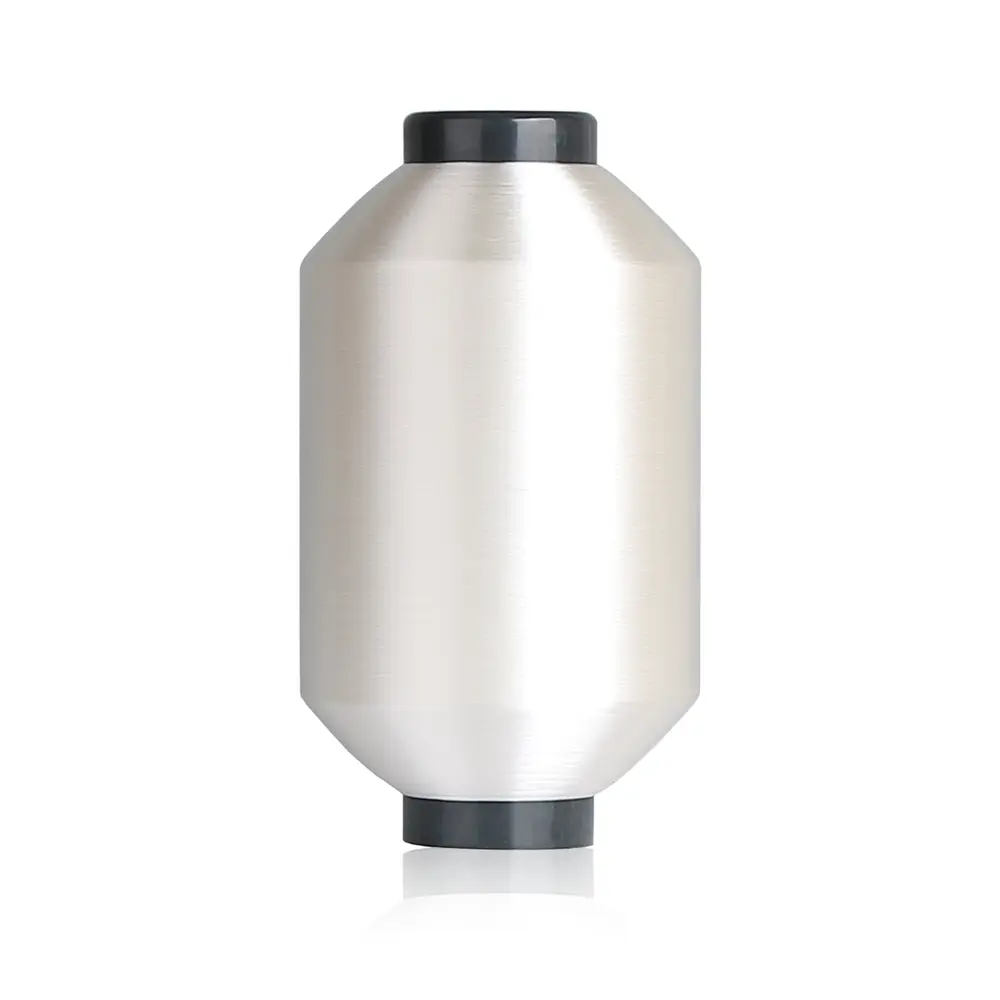
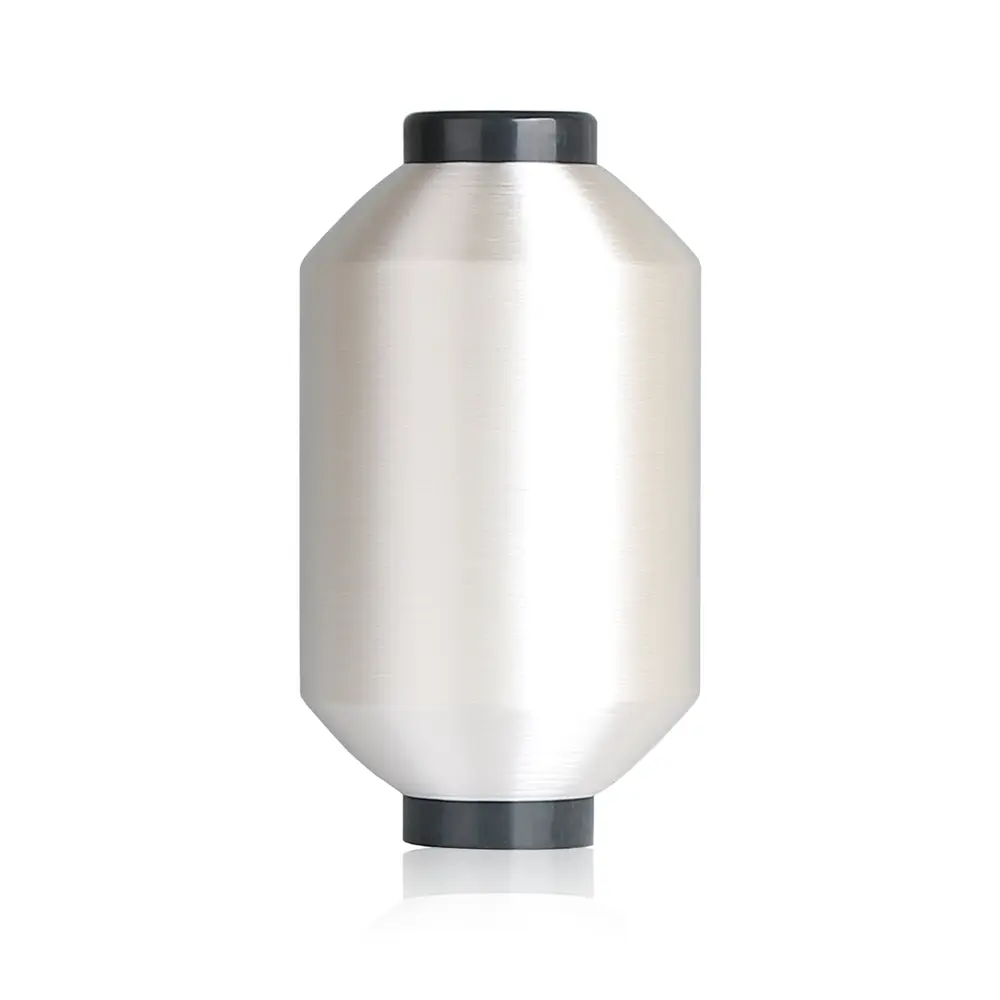
Hot melt yarn (also called low-melt yarn) is widely used in thermal bonding, seamless stitching, interlining, webbing fixation, shoe materials, and structural reinforcement. Its performance directly affects product durability, hand feel, appearance, and production efficiency.
Testing samples helps you:
- Confirm actual melting temperature and bonding speed
- Verify adhesion strength and solidification stability
- Check color fastness, uniformity, and spinnability
- Avoid mismatches with your equipment or materials
- Reduce waste, rework, and quality risks in mass production
Key Types of Hot Melt Yarn Available for Sampling
Most professional suppliers offer free samples across these common categories:
| Yarn Type | Typical Usage | Core Features |
|---|---|---|
| Nylon Low Melt Yarn | Apparel interlining, lace, underwear | Good flexibility, strong bonding |
| Polyester Low Melt Yarn | Webbing, braids, shoe materials | High tenacity, heat stability |
| Bio-Based PA11 Hot Melt Yarn | High-end textiles, eco-friendly products | Low carbon, low density, abrasion resistant |
| Bi-Component Hot Melt Yarn | Thermal-bonded fabrics, filtration | Stable melting, even adhesion |
Step-by-Step Guide to Getting Free Hot Melt Yarn Samples
Follow these steps to get high-quality, usable samples quickly:
-
Identify Your Exact Needs
Clarify yarn type, denier, filament, melting point, color, and intended use to avoid mismatched samples.
-
Locate Reliable Yarn Suppliers
Choose manufacturers with complete certifications, stable production, and professional sample support.
-
Submit a Formal Sample Request
Use official inquiry forms, email, or direct contact to send your requirements clearly.
-
Provide Valid Business Information
Suppliers prioritize genuine business buyers; share company name, industry, and application.
-
Confirm Sample Details & Shipping
Verify specifications, length, quantity, and delivery terms before dispatch.
-
Receive & Test Samples
Conduct small-batch trials to match your real production conditions.
-
Provide Feedback & Move to Bulk
Share test results to discuss customization, pricing, and lead times.
What Information to Prepare for Sample Requests
To speed up processing, include these details:
- Company name, industry, and main products
- Application scenario (apparel, footwear, webbing, upholstery, etc.)
- Required yarn type: nylon, polyester, bio-based PA11, etc.
- Specifications: denier (20D–300D), filament, semi-dull / bright
- Target melting temperature and bonding requirements
- Needed quantity and length for testing
- Preferred color and color fastness standard
- Shipping address and contact person
Sample Specifications You Can Customize
Reputable manufacturers support tailored free samples:
- Denier: 20D, 40D, 70D, 100D, 150D, 300D
- Filament: 7F, 24F, 36F, 48F, 72F
- Luster: semi-dull, bright
- Color: custom based on your requirements
- Melting point: low, medium, or high-temperature bonding
- Structure: FDY, DTY, POY
How to Test Hot Melt Yarn Samples Effectively
For meaningful results, perform these basic tests:
- Melting Test: Heat to your working temperature and check flow and bonding clarity
- Adhesion Test: Bond with your actual fabric or material and check peel strength
- Color Fastness: Test washing, dry cleaning, and light stability
- Spinnability: Run on your knitting or weaving machine to check processability
- Durability: Test bending, friction, and aging under real-use conditions
Tips to Improve Your Sample Request Success Rate
- Use clear, professional language; avoid vague descriptions
- Explain your real application to help suppliers recommend suitable yarn
- Provide complete company and contact info for faster approval
- Be reasonable about sample quantity; request what you truly need
- Respond promptly to supplier questions to speed up delivery
FAQs About Free Hot Melt Yarn Samples
Are hot melt yarn samples really free?
Most professional manufacturers offer free samples; buyers typically cover shipping cost.
How long does it take to receive samples?
Standard lead time: 3–7 days after confirmation, depending on location and customization.
Can I get multiple specifications in one request?
Yes; you may request 2–3 types for comparison if needed.
Do samples support bulk order consistency?
Reliable makers use the same raw material and process for samples and mass production.
Can I get technical support during testing?
Professional suppliers provide guidance on temperature, speed, and bonding parameters.
Conclusion
Requesting free hot melt yarn samples is a simple, low-risk way to validate quality, performance, and compatibility before committing to large orders. By preparing clear information and following standard procedures, you can obtain accurate, usable samples to support stable, efficient production.
Post time: Apr-29-2026