
Hot Melt Yarn for Packaging Materials: A Comprehensive Guide to Performance, Applications and Selection
Packaging materials need to strike a balance between sturdiness, production efficiency, environmental compliance and long-term durability, and traditional bonding solutions like liquid glue, adhesive tapes and metal fasteners are gradually revealing limitations in modern packaging production. Hot melt yarn has emerged as a high-performance, sustainable bonding material tailored for the packaging industry, redefining how packaging structures are assembled, sealed and reinforced. This guide breaks down its core characteristics, diverse packaging applications, material categories, practical usage tips and key advantages, helping you make informed decisions for your packaging production lines.
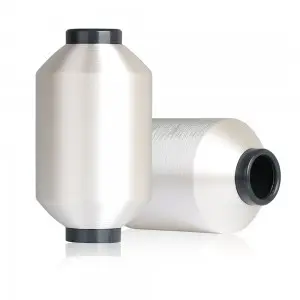
What Is Hot Melt Yarn for Packaging?
Hot melt yarn, also known as low melting point fusible yarn, is a type of thermoplastic functional yarn designed for thermal bonding. Unlike regular textile yarns, it features a specially adjusted melting point. When exposed to targeted heat during processing, the yarn softens and melts to form a viscous adhesive layer; once cooled down quickly, it solidifies to create strong, permanent bonds between packaging substrates, fibers and composite layers.
Formulated with nylon and polyester as mainstream raw materials, packaging-grade hot melt yarn is engineered to adapt to high-speed packaging workflows. It works seamlessly with automatic packaging equipment, requiring no additional liquid adhesives or chemical solvents. Its inherent physical stability ensures the bonded parts stay intact during transportation, storage and repeated handling, making it a reliable core material for lightweight, eco-friendly and high-efficiency packaging production.
Core Advantages of Hot Melt Yarn in Packaging Production
Compared with conventional bonding methods, hot melt yarn delivers multi-dimensional improvements for packaging manufacturing, covering production efficiency, product quality, cost control and environmental performance.
1. Excellent Bonding Performance & Structural Stability
Packaging faces constant extrusion, friction and temperature changes during logistics. Hot melt yarn forms uniform, flexible bonding layers after thermal fusion, delivering high tensile strength and shear resistance. It will not crack or peel off easily even under frequent handling. Different from rigid glue layers, the yarn-based bond retains proper flexibility, which is ideal for foldable packaging, soft packaging and composite packaging materials. It also features outstanding abrasion resistance, reducing fiber shedding and particle generation, and keeping the interior of packaged goods clean and tidy.
2. High Production Efficiency for Automated Lines
Liquid glue requires waiting for curing, while adhesive tapes need manual alignment and cutting, both slowing down high-volume production. Hot melt yarn integrates well with hot-press, heat-seal and thermal lamination equipment. The whole bonding process is completed within seconds after heating and cooling, fully matching the rhythm of fully automatic packaging lines. It simplifies production procedures, cuts down auxiliary working steps and effectively boosts overall output capacity.
3. Outstanding Environmental & Safety Properties
Most packaging-grade hot melt yarn is solvent-free and low-VOC. It produces no harmful volatile substances during heating and use, complying with global mainstream environmental certifications. It eliminates the odor, residue and chemical contamination issues brought by liquid glue, which is particularly critical for food packaging, daily necessities packaging and gift packaging that have strict safety standards. In addition, the thermoplastic structure of hot melt yarn supports recycling, aligning with the sustainable development trend of the packaging industry and helping brands meet carbon emission reduction requirements.
4. Wide Environmental Adaptability
Finished packaging needs to adapt to diverse storage and transportation environments. Hot melt yarn boasts good resistance to moisture, common chemicals and mild ultraviolet rays. It will not lose adhesion in humid warehouses or temperature-varying transportation environments. Its low moisture absorption property prevents the bonding part from softening and failing due to dampness, ensuring the long-term stability of packaging structure in different regions and climates.
5. Cost Optimization
In the long run, hot melt yarn helps enterprises cut comprehensive costs. It saves expenses on glue storage, glue cleaning and tape consumption. Meanwhile, the simplified production process reduces labor input and equipment maintenance costs. The long service life of bonded packaging also lowers the product damage rate during logistics, further controlling operational losses.
Main Types of Hot Melt Yarn for Packaging & Their Features
Based on raw material composition and melting point, hot melt yarn used in packaging is mainly divided into two mainstream categories, each with targeted performance and applicable scenarios for different packaging demands.
Nylon Hot Melt Yarn
Nylon hot melt yarn includes PA6 and bio-based PA11 series, with a relatively low melting point ranging from 85℃ to 100℃. It melts quickly under low-temperature heating and will not cause thermal damage to heat-sensitive packaging materials. This type of yarn has ultra-high toughness, strong adhesion and excellent bending resistance, and it maintains stable performance after repeated folding.
Bio-based PA11 hot melt yarn is a premium option in this category. It is 100% bio-based, features low density and low moisture absorption, and its carbon footprint is at least 50% lower than that of ordinary polyester materials. It has superior dyeing performance and abrasion resistance, suitable for high-end customized packaging and eco-friendly brand packaging products that pursue sustainability and high quality. Nylon hot melt yarn is widely used for soft packaging reinforcement, woven packaging bag sealing and composite lining bonding.
Polyester Hot Melt Yarn
Polyester hot melt yarn has a higher melting point, generally around 110℃, with stable physical properties and moderate cost. It has strong rigidity after bonding and good shape retention, suitable for hard packaging, carton edge sealing and rigid composite packaging. This yarn features uniform specifications and stable melting performance, adapting to large-scale standardized packaging production. Its low emission version can meet the strict environmental requirements of food and medical packaging fields.
Key Application Scenarios in the Packaging Industry
Hot melt yarn is highly versatile and covers nearly all mainstream packaging types, from soft packaging to hard packaging, from ordinary industrial packaging to high-end commercial packaging.
1. Carton & Paper Packaging Sealing & Reinforcement
Replacing traditional glue and staples, hot melt yarn is used for carton sealing, edge reinforcement and paper layer lamination. After thermal bonding, the carton has neat edges without nail holes or glue overflow. It enhances the overall compression resistance of cartons and avoids the problem of glue failure in humid environments. It is applicable to express cartons, commodity outer packaging and industrial paper packaging in large quantities.
2. Woven Bag & Flexible Packaging
For plastic woven bags, fabric packaging bags and soft composite film packaging, hot melt yarn is used for edge sealing, bottom bonding and handle fixing. Its good flexibility prevents the sealing edge from breaking during pulling and carrying. It is widely used in grain packaging, chemical raw material packaging, textile product packaging and daily flexible packaging bags.
3. Composite Packaging Lamination
Multi-layer composite packaging (such as packaging with lining, buffer layer and decorative layer) needs firm lamination between layers. Hot melt yarn acts as an intermediate bonding layer. It does not block the air permeability of the material while ensuring tight lamination, which is suitable for breathable product packaging, cushioning packaging and gift box composite lining.
4. Special Functional Packaging
For food packaging, medical supplies packaging and cosmetic packaging with high safety requirements, low-emission hot melt yarn is selected. It ensures no chemical residue, protects the safety of packaged products and complies with international food-grade and medical-grade material standards. For outdoor circulating packaging and export packaging with complex transportation conditions, hot melt yarn with weather resistance is used to cope with temperature and humidity changes during long-distance transportation.
5. Packaging Accessories Bonding
It is also used for bonding packaging handles, decorative ribbons, woven labels and buffer accessories. The bonding position is firm and beautiful, without affecting the appearance of packaging, which is favored by high-end gift packaging and brand customized packaging.
Practical Selection & Usage Tips for Buyers
To maximize the performance of hot melt yarn and match production requirements, you can refer to the following selection and usage guidelines according to your own packaging types and production equipment.
1. Select by Melting Point
Choose low-melting-point nylon hot melt yarn (85℃-100℃) for heat-sensitive packaging materials and low-temperature hot-press equipment to avoid material scalding. Select medium-melting-point polyester hot melt yarn (around 110℃) for hard paper packaging and high-speed heat-seal equipment to ensure sufficient bonding strength.
2. Select by Packaging Usage Scenario
Prioritize bio-based PA11 hot melt yarn if your brand focuses on environmental protection, carbon reduction and high-end positioning. Choose conventional nylon hot melt yarn for flexible packaging that requires frequent folding and pulling. Pick polyester hot melt yarn for standard industrial packaging pursuing cost performance and stable shape.
3. Specification Matching
Common specifications of packaging hot melt yarn include 20D, 40D, 70D, 100D and 150D. Fine denier yarn is suitable for thin-layer packaging and fine sealing positions; thick denier yarn has higher strength and is used for heavy packaging and stress-bearing parts such as handles and bottom sealing. Custom specifications can be adopted for special-shaped packaging and personalized production demands.
4. Storage & Processing Notes
Store hot melt yarn in a dry and cool environment and avoid long-term exposure to high humidity, as excessive moisture will slightly weaken its adhesion. During processing, control the heating temperature and time according to the yarn’s melting parameters. Excessively high temperature will damage the packaging material, while insufficient temperature will lead to incomplete melting and poor bonding effect.
Why Hot Melt Yarn Is the Future of Modern Packaging
As the global packaging industry moves towards high efficiency, environmental protection, lightweight and intelligence, traditional bonding materials can no longer keep pace with upgrading production standards. Hot melt yarn perfectly fits the development trend of the packaging industry with its advantages of green and low carbon, high efficiency and energy saving, stable performance and wide adaptability.
It not only optimizes the production process for packaging manufacturers, reduces production and logistics costs, but also improves the overall grade and safety of packaging products. For brand owners, eco-friendly hot melt yarn also becomes an important part of brand green image building. With the continuous upgrading of material technology, bio-based hot melt yarn and customized functional hot melt yarn will gain more extensive applications in high-end packaging, export packaging and special functional packaging fields.
Post time: Jun-10-2026