
Yarn for Heat Press Applications: A Complete Buyer’s Guide to Thermal Bonding Filaments
Introduction
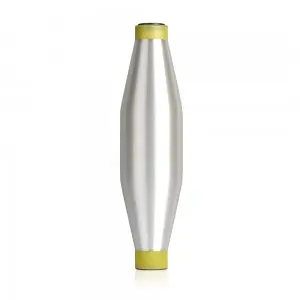
What Makes Yarn Suitable for Heat Press Processing?
- Controlled, stable melting activation range
Formulated to soften and flow within fixed temperature windows (85°C–180°C). This avoids substrate scorching during heat press contact while delivering full adhesive flow at your machine’s standard operating temperature. No random melting or delayed bonding across batch runs.
- Homologous substrate compatibility
Nylon-based hot melt yarns bond strongest with nylon, spandex, and elastic blends; polyester hot melt variants pair perfectly with PET fabrics, cotton blends, and nonwovens. Matching polymer families eliminates weak peel points after repeated heat pressing and washing cycles.
- Balanced tenacity and flexible cured bonds
After cooling and solidifying post heat press, the yarn forms adhesive joints that resist abrasion, stretching, and regular laundering. Soft-grade formulations maintain stretch for activewear, while high-tenacity grades deliver rigid structural support for upholstery and footwear.
- Low-shrinkage, consistent filament structure
Precision-spun FDY and DTY formats feature uniform denier and filament counts, preventing uneven fabric contraction under heat press pressure. Consistent shrink rates eliminate dimensional deviation in mass-produced goods.
Main Yarn Categories for Heat Press Workflows: Performance Breakdown
1. Polyamide (Nylon) Hot Melt Yarn – Low-Temperature Heat Press Specialist
Key Heat Press Advantages
- Ultra-low activation temperature (85°C baseline) ideal for heat-sensitive substrates: lace, lightweight underwear, spandex blends, silk, and flyknit shoe uppers. Delicate fabrics avoid yellowing or shrinkage during short heat press dwell times.
- Superior flexibility post-bonding: cured joints stretch with the base fabric without cracking, perfect for elastic garments and tight-fit textiles.
- Bio-based PA11 grades cut carbon emissions by over 50% compared to standard PET yarns, with zero competition with food crop feedstocks, aligning with sustainable brand sourcing standards.
- Excellent abrasion resistance reduces microplastic shedding during wear and repeated heat press reprocessing.
Best Heat Press Use Cases
2. Polyester Low-Melt Yarn – Medium-to-High Heat Press Heavy-Duty Option
Key Heat Press Advantages
- Superior thermal and UV resistance: Bonds remain intact through repeated high-temperature heat pressing, industrial washing, and outdoor exposure.
- Rigid, dimensionally stable cured bonds with high shear strength for structural textile applications.
- Cost-effective for large-volume non-delicate production, fully compatible with cotton-poly blends and thick woven substrates.
Best Heat Press Use Cases
Quick Comparison Table for Buyer Reference
| Performance Metric | Bio-Based PA11 Nylon Hot Melt Yarn | Polyester Low-Melt Yarn |
|---|---|---|
| Heat Press Activation Temp | 85°C–130°C | 110°C–180°C |
| Bond Flexibility | High (stretch compatible) | Moderate-Rigid |
| Substrate Match | Nylon, spandex, delicate knits | PET, cotton blends, heavy textiles |
| Carbon Footprint | 50% lower CO₂ output | Standard PET carbon profile |
| Abrasion Resistance | Exceptional | Good |
| Ideal Heat Press Dwell Time | Short (5–15s) | Medium-Long (15–30s) |
Critical Product Specifications to Prioritize for Heat Press Production
Melting Point Calibration
- 85°C grade: For ultra-low heat pressing on lace, thin stretch fabrics; minimal risk of substrate damage.
- 110°C grade: Universal mainstream grade, compatible with most apparel and footwear heat press setups.
- 130°C–180°C grade: Reserved for heavy industrial textiles requiring high-temperature lamination.
Filament Format: FDY vs DTY
- FDY (Fully Drawn Yarn): Uniform linear structure, stable melting across every filament, consistent tension during weaving/knitting. Preferred for high-speed heat press mass production, sewing threads, and fine uniform fabrics. Common specs: 20D/7F, 70D/24F PA11 FDY.
- DTY (Draw Textured Yarn): Crimped, stretchable texture, softer fabric hand feel. Suitable for knitted goods, elastic webbing, and textured materials processed via heat press bonding. Available in semi-dull virgin PA11 variants (40D/36F, 150D/48F).
Denier Selection Guide
- Fine denier (20D–100D): Lightweight lace, underwear, thin linings, invisible seamless bonding with minimal fabric bulk post heat press.
- Medium denier (100D–150D): Standard sportswear, shoe uppers, general apparel thermal bonding.
- Heavy denier (150D+): Upholstery, industrial webbing, thick structural textiles requiring reinforced heat-pressed joints.
Certifications for Global Bulk Buyers
Real-World Heat Press Application Scenarios
1. Apparel & Seamless Garment Manufacturing
2. Footwear Flyknit Upper Bonding
3. Home Textiles & Upholstery
4. Technical Sewing Threads for Heat Transfer Printing
Step-by-Step Buyer Checklist for Sourcing Heat Press Yarns
- Document your heat press machine’s fixed operating temperature, pressure, and dwell time to match yarn melting grade.
- Identify your primary substrate fabric (nylon/spandex vs polyester/cotton blend) to pick compatible polymer yarn.
- Select denier and filament type (FDY/DTY) based on fabric weight, texture, and desired finished hand feel.
- Confirm sustainability requirements: opt for 100% bio-based PA11 yarns if your brand targets low-carbon product lines.
- Request factory test samples to run small-batch heat press trials, verifying bond strength, shrinkage, and color stability under your exact production parameters.
- Validate compliance certificates (OEKO-TEX, SGS) for regional market regulatory requirements.
- Lock in customizable specifications: semi-dull luster, dyed color ranges, and custom filament counts for unique product lines.
Why Bio-Based PA11 Yarns Stand Out for Modern Heat Press Lines
- Renewable feedstock decouples raw material supply from fossil fuel reliance, without competing with agricultural food crops.
- 50%+ reduction in carbon emissions during production compared to conventional polyester yarns, supporting brand ESG reporting.
- Lower melting temperature cuts heat press energy consumption, reducing factory operational costs per production batch.
- Superior dye uptake versus standard PET, delivering uniform color results after heat press processing without uneven discoloration.
- High abrasion resistance extends product lifespan, lowering textile waste and aligning with circular textile industry goals.
Common Heat Press Yarn Production Pitfalls to Avoid
- Mismatched melting temperature: Using high-melt polyester yarn on low-temperature heat press lines leads to incomplete bonding and easy peel-back.
- Ignoring substrate compatibility: Bonding polyester fabrics with unmodified nylon yarn creates weak, wash-unstable joints.
- Skipping pre-production heat press sample testing: Batch-to-batch filament inconsistency can cause widespread fabric shrinkage or bond failure in mass runs.
- Choosing uncertified yarns: Non-compliant filaments risk VOC contamination, failed brand audits, and cross-border shipment delays.
- Overlooking denier thickness: Oversized heavy denier yarn creates bulky, stiff fabric seams after heat pressing, ruining lightweight garment aesthetics.
Conclusion
Frequently Asked Questions
Q1: Can I use bio-based PA11 yarn with standard heat transfer printing heat press equipment?
Q2: Will heat-pressed hot melt yarn bonds break after repeated washing?
Q3: Are custom yarn specifications available for unique heat press production lines?
Q4: Do hot melt yarns eliminate the need for liquid glue entirely in heat press manufacturing?
Post time: Jun-26-2026