
Yarn for Fabric Bonding Solutions: Types, Performance and Selection Guide
Fabric bonding has become an indispensable process in modern textile manufacturing, replacing traditional stitching in countless scenarios to create seamless, lightweight and high-durability textile products. The core of reliable fabric bonding lies in selecting suitable bonding yarns. These specialized yarns integrate thermal fusion, adhesion and structural support, catering to diverse fabric materials, processing techniques and end-use requirements. This guide will fully break down mainstream bonding yarn types, core performance traits, applicable scenarios and practical selection tips, helping you pick the ideal yarn for your fabric bonding projects.
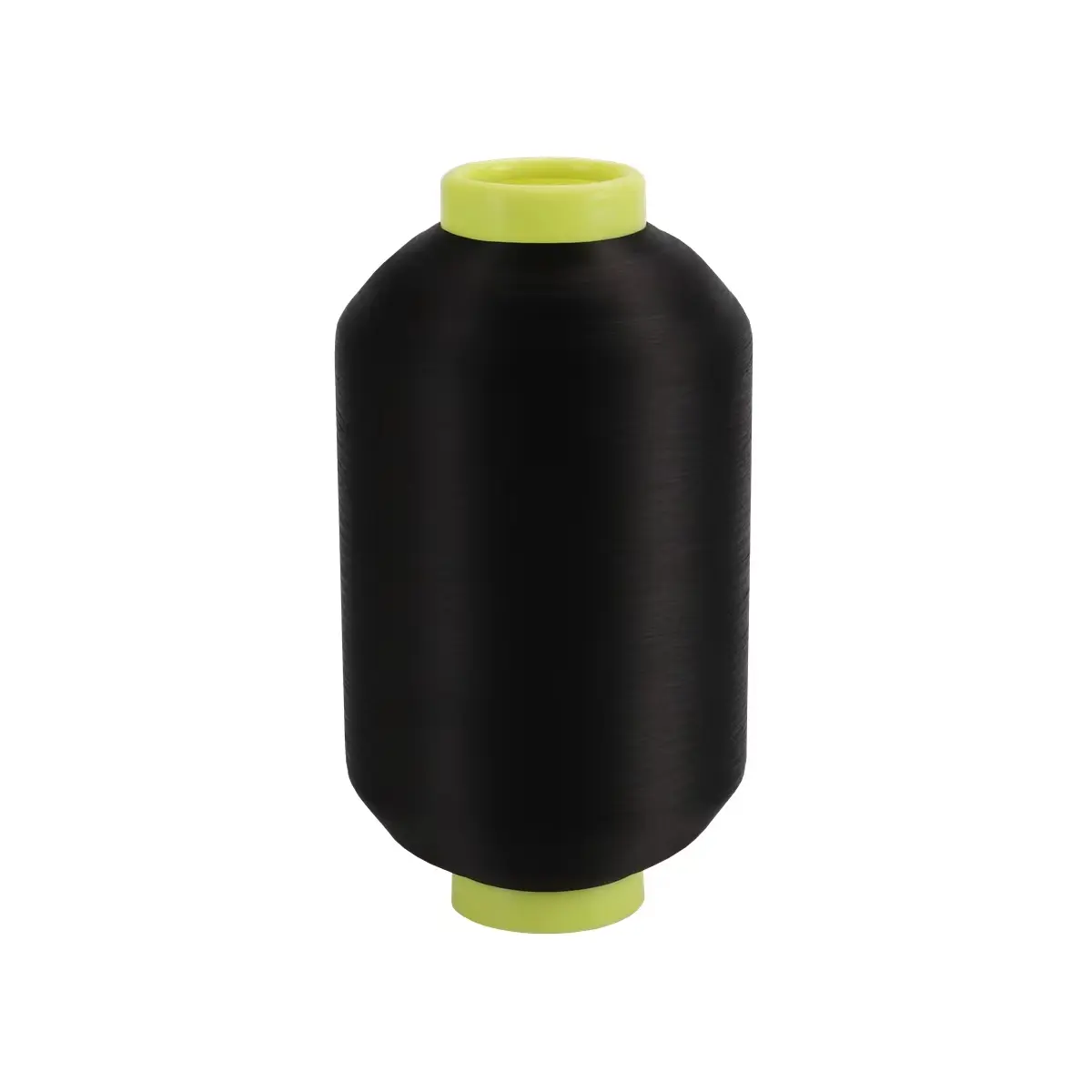
What Are Fabric Bonding Yarns?
Fabric bonding yarns, also known as fusible yarns or hot melt yarns, are functional synthetic yarns designed to bond multiple layers of fabrics together via heat treatment. Unlike ordinary sewing threads that rely on stitching to fix fabrics, bonding yarns melt under specific temperatures to form a solid adhesive layer between fabrics. After cooling and solidification, they deliver stable connection strength, achieving seamless bonding without pinholes or loose stitches.
These yarns can be blended into fabrics during weaving or knitting, or applied as auxiliary threads in post-processing. They adapt to automated production lines, boost overall production efficiency and keep consistent product quality in mass manufacturing. Meanwhile, qualified bonding yarns will not damage the original texture, elasticity and appearance of fabrics, which makes them widely adopted across apparel, home textiles, footwear and industrial textiles.
Main Categories of Fabric Bonding Yarns and Their Features
Different raw materials endow bonding yarns with distinct melting points, adhesion, elasticity and durability. Based on raw material composition, the mainstream products on the market are divided into nylon series, polyester series and bio-based PA11 series, each with unique advantages for targeted fabric bonding needs.
1. Nylon Bonding Yarns
Nylon bonding yarns are the most widely used type in fabric bonding, including conventional Nylon 6 and low-melt nylon variants. They feature moderate melting points, excellent elasticity and outstanding adhesion, making them compatible with most elastic and soft fabrics.
Low-melt nylon yarns usually have an activation temperature ranging from 90°C to 120°C. The low melting temperature effectively avoids thermal deformation of heat-sensitive fabrics such as spandex blends, thin knitted fabrics and nylon coated materials. After fusion, they maintain good flexibility, so the bonded fabrics will not become stiff or lose stretchability. Conventional Nylon 6 POY and DTY yarns can be matched with low-melt components to enhance the overall structural strength of bonded fabrics, performing well in medium-weight fabrics like shoe uppers, suit linings and decorative laces.
In terms of physical properties, nylon bonding yarns boast high tenacity and strong wear resistance. The bonded joints remain intact after repeated stretching, rubbing and washing, greatly extending the service life of textiles. They also have uniform color absorption and good dyeing performance, ensuring the color consistency between bonding parts and the main fabric.
2. Polyester Bonding Yarns
Polyester low-melt bonding yarns are favored for heavy-duty and high-temperature resistant fabric bonding. Their melting points are generally between 110°C and 160°C, with excellent heat resistance and dimensional stability. After bonding, they are not prone to softening or loosening even in high-temperature finishing environments.
This type of yarn is ideal for thick fabrics, polyester woven materials, industrial composite textiles and heavy non-woven fabrics. It provides ultra-strong bonding force for thick fabrics that require high structural stability. Polyester bonding yarns also show great advantages in color fastness and anti-aging performance, suitable for outdoor textiles, sofa fabrics and long-service-life home textiles.
The limitation of polyester bonding yarns lies in its relatively poor elasticity. It is not recommended for highly elastic fabrics. Besides, compared with nylon yarns, polyester is harder to dye, which needs to be taken into account in products with high requirements for color matching.
3. 100% Bio-based PA11 Bonding Yarns (FDY & DTY)
As an innovative sustainable material, 100% bio-based PA11 yarns have become a premium choice for high-end fabric bonding solutions in recent years, covering FDY and DTY two common filament types. Sourced from renewable castor plants, this raw material does not compete with food crops, meeting the global demand for eco-friendly and low-carbon textile production.
In performance, PA11 yarns combine the strengths of nylon and polyester. It has lower density than traditional textile yarns, making the bonded fabrics lighter and more comfortable. Its low moisture absorption keeps the bonding joints dry and stable even in humid environments, free from degumming caused by moisture erosion. In terms of environmental protection, the carbon emission of PA11 yarns in the whole production cycle is at least 50% lower than that of ordinary polyester yarns, perfectly matching the sustainable development concept of international textile brands.
PA11 FDY and DTY yarns have excellent spinnability with low melting temperature, supporting efficient thermal bonding. Their superior abrasion resistance reduces the generation of micro-particles during use, conforming to high-standard environmental protection regulations. Fine denier specifications such as 20D/7F, 70D/24F are applicable to lightweight fabrics like underwear and laces; medium denier products including 70D/72F and 150D are widely used for knitting, weaving and adhesive knitting of mid-to-high-end fabrics. After thermal bonding, PA11 yarns maintain soft hand feel and durable adhesion, and the bonded parts withstand multiple washing cycles without peeling or yellowing.
Key Performance Indicators for Selecting Bonding Yarns
To match the most suitable bonding yarn with fabrics and production processes, you need to focus on five core indicators to avoid quality problems such as fabric deformation, degumming and insufficient strength after bonding.
1. Melting Point Matching
Melting point is the primary consideration. For lightweight, heat-sensitive fabrics like spandex blends and ultra-thin knits, select low-temperature fusible yarns (80°C-110°C) to prevent fabric shrinkage and distortion. For medium-weight elastic fabrics such as shoe uppers and sportswear, choose nylon yarns with medium melting points (110°C-130°C). For thick, heat-resistant industrial fabrics and heavy polyester fabrics, pick high-temperature polyester bonding yarns (130°C-160°C) to ensure thorough fusion and firm bonding.
2. Denier Specification
Denier represents the thickness of yarns, which directly affects the fineness and fastness of bonding. Fine denier yarns (20D-100D) are used for thin, delicate fabrics such as laces, underwear and lining fabrics, realizing invisible bonding without affecting the fabric’s soft texture. Medium and thick denier yarns (100D-600D) are applied to thick fabrics, shoe materials and industrial textiles to enhance bonding strength and structural stability. Custom denier and filament configurations can be selected according to weaving and knitting processes.
3. Adhesion and Fastness
Check the curing adhesion and long-term stability of yarns. High-quality bonding yarns form a compact adhesive layer after melting and cooling, with strong peeling resistance and shear resistance. For products requiring frequent washing and rubbing like clothing and daily textiles, prioritize yarns with excellent washing resistance and anti-yellowing properties to ensure the bonding parts do not degum or discolor after long-term use.
4. Elasticity and Hand Feel
Elastic fabrics such as sportswear and tight underwear need bonding yarns with synchronous elasticity. Nylon and PA11 yarns are better choices, as they will not restrict the fabric’s stretching performance after bonding. For non-elastic woven fabrics, polyester bonding yarns with high structural stability can be selected. All bonding yarns should keep the original soft hand feel of fabrics and avoid hardening at the bonding areas.
5. Environmental Compliance
International textile markets have strict requirements for environmental indicators. Preferred yarns should pass OEKO-TEX STANDARD 100, ROHS and SGS certifications, being non-toxic and pollution-free. Bio-based PA11 yarns, with renewable raw materials and low carbon footprint, are more in line with the procurement demands of European, American and other markets focusing on green textiles.
Application Scenarios of Bonding Yarns
Different bonding yarns are distributed in segmented textile fields based on performance advantages, covering daily consumption, functional apparel, home textiles and industrial textiles.
Apparel Textiles
Seamless underwear, laces, garment linings and collars mostly adopt fine denier low-melt nylon yarns and PA11 yarns. The seamless bonding brings comfortable wearing experience and exquisite appearance. Sportswear and outdoor fabrics use elastic nylon and bio-based PA11 bonding yarns, which balance light weight, wear resistance and bonding fastness, adapting to frequent stretching and outdoor complex environments.
Footwear and Braided Products
Shoe uppers, shoelaces and various braided threads require high wear resistance and firm bonding. Medium denier nylon 6 yarns and PA11 DTY yarns are mainstream choices. Their strong adhesion and abrasion resistance ensure the fabrics at shoe stress points do not fall off after long-term walking and friction.
Home Textiles
Sofa fabrics, thick decorative fabrics and bedding products usually select polyester low-melt yarns and conventional nylon bonding yarns. These yarns have strong anti-aging and washing resistance, adapting to long-term use and repeated cleaning of home textiles.
High-end Eco-friendly Textiles
Brands focusing on sustainability and high-end positioning prefer 100% bio-based PA11 FDY and DTY yarns. From high-end clothing, functional fabrics to eco-friendly home textiles, PA11 yarns meet both product performance and brand environmental image requirements, and have become a hot material for differentiated textile products.
Practical Tips for Fabric Bonding Process
Even with high-quality bonding yarns, standardized processing is the key to achieving ideal bonding effects. Here are practical suggestions for production and processing:
- Gradually adjust heating temperature: Set the temperature according to the yarn’s melting point and fabric heat resistance. Do not use excessive high temperature in one go to prevent fabric scorching and yarn performance degradation.
- Control pressure and processing speed: Match appropriate pressure during thermal bonding to ensure the melted yarn fully fits the fabric surface. For automated production lines, keep a stable running speed to guarantee uniform bonding of each part.
- Match dyeing process in advance: For dyed fabrics, select bonding yarns with consistent dyeing performance. PA11 and nylon yarns have good dyeing compatibility, which can realize integrated dyeing of fabrics and yarns.
- Reasonably store yarns: Bonding yarns should be stored in a dry and cool environment, avoiding long-term exposure to high temperature to prevent premature melting and performance change of yarns.
Trends of Fabric Bonding Yarn Solutions
Against the backdrop of global low-carbon and sustainable development, fabric bonding yarns are evolving towards green environmental protection, high performance and multi-functionality. Bio-based yarns represented by PA11 will further replace part of traditional petroleum-based yarns and become the mainstream choice for medium and high-end textile procurement.
Meanwhile, customized special yarns will gain more attention. More buyers tend to customize denier, filament, melting point and color of bonding yarns according to their own fabric formulas and production processes to realize differentiated product competitiveness. In addition, with the upgrading of textile manufacturing equipment, bonding yarns with lower melting points, higher efficiency and stronger composite performance will continue to emerge, supporting the innovation of seamless fabric bonding technology.
Post time: Jun-12-2026