
Yarn Bulk Order Financing Options: A Complete Guide for Textile Buyers
Table of Contents
- Understanding Why Bulk Yarn Purchases Create Cash Flow Pressure
- Top Financing Solutions for Large Yarn Bulk Orders
- How To Match Financing Type To Your Business Scenario
- Key Factors To Compare Between Financing Providers
- Common Mistakes To Avoid When Financing Yarn Bulk Procurement
- Real-World Use Cases Of Yarn Order Financing
- Frequently Asked Questions About Yarn Bulk Financing
- Final Takeaways For Cost-Effective Bulk Yarn Funding
Understanding Why Bulk Yarn Purchases Create Cash Flow Pressure
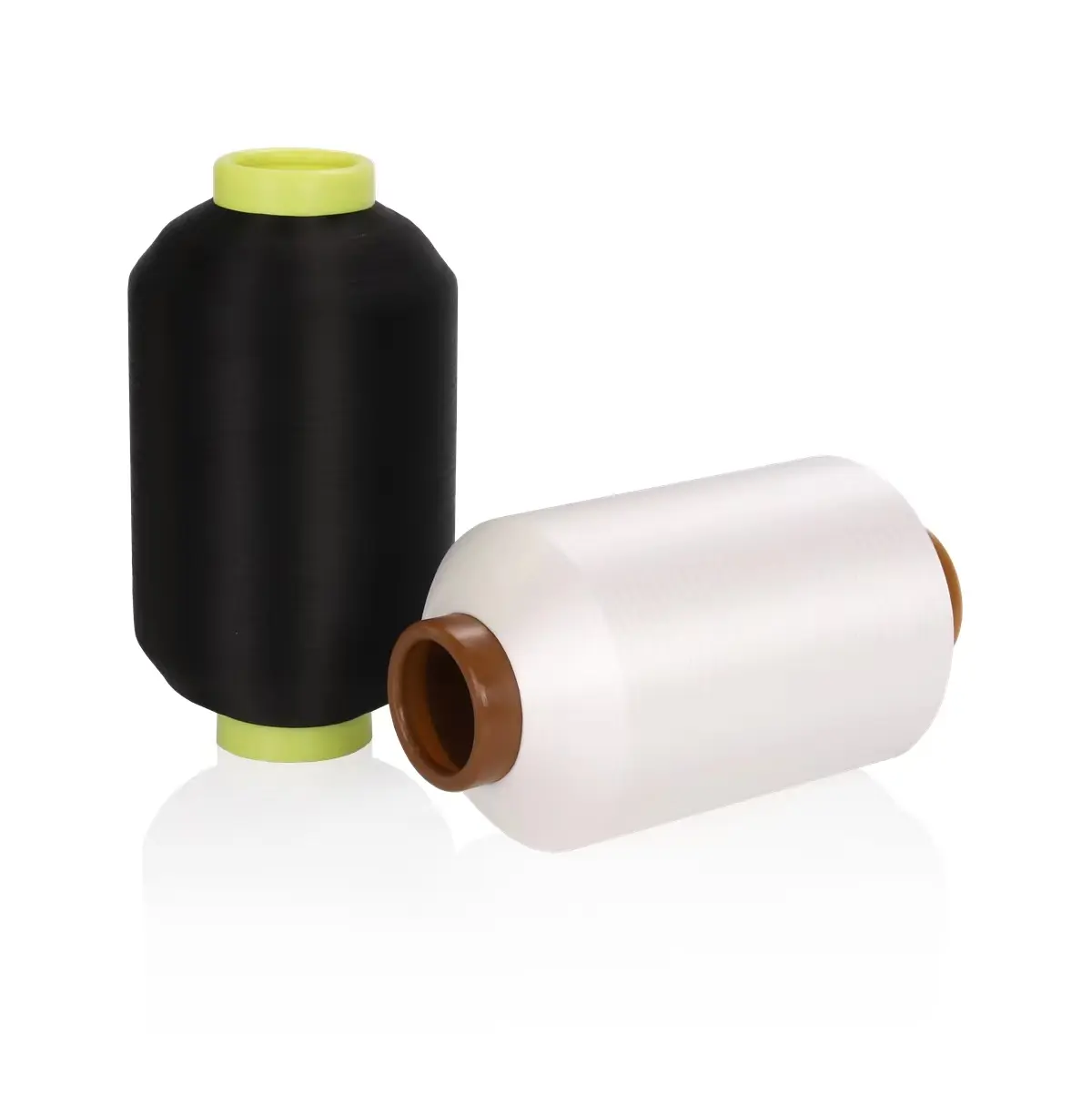
Textile buyers, garment manufacturers, woven fabric producers and textile wholesalers regularly face a shared financial hurdle: bulk yarn procurement locks up massive working capital. High-performance specialty yarns like bio-based PA11 filament, thermal fuse hot melt yarn, and high-tenacity industrial thread carry steep minimum order thresholds, while suppliers offer steep unit discounts only for large-volume shipments.
Most yarn manufacturers require partial or full upfront deposits before spinning, dyeing and shipping orders. Meanwhile, your own downstream clients often operate on Net 30, Net 60 or even Net 90 payment cycles. This creates a costly cash gap: you must cover raw material costs weeks or months before receiving revenue from finished goods sales. Without flexible financing, many buyers are forced to limit order sizes, skip bulk discount pricing, or turn down large client contracts entirely.
Every financing tool covered below solves this gap with different cost structures, eligibility rules and repayment timelines tailored to yarn sourcing cycles.
Top Financing Solutions for Large Yarn Bulk Orders
1. Supplier Trade Credit (Net 30 / Net 60 / Net 90 Terms)
Trade credit is the lowest-cost financing option available to established yarn buyers. Under this arrangement, your yarn supplier delivers full bulk shipments upfront and defers full payment for an agreed window without interest charges for qualifying accounts.
- How it works: You place a bulk yarn order, receive complete inventory, and settle the invoice 30–90 days after delivery.
- Core Benefits
- Zero interest or hidden fees for on-time repayments
- No separate loan applications or third-party documentation
- Simplified single-vendor payment workflows
- Key Drawbacks
- Reserved for buyers with multi-year clean payment history and consistent high order volume
- New textile businesses or first-time importers rarely qualify
- Many yarn manufacturers tightened credit limits amid raw material price volatility in recent years
2. Purchase Order (PO) Financing
PO financing targets buyers with confirmed customer orders but insufficient cash to cover yarn bulk manufacturing costs. Lenders advance direct payment to your yarn supplier once they validate your signed customer purchase order.
- Step-by-Step Process
- Secure a binding, non-cancellable bulk production order from your retail, apparel or industrial client
- Submit the PO, yarn supplier quotation and business basic financials to a PO finance provider
- Lender pays your yarn manufacturer directly to cover spinning, dyeing and shipment costs (70–100% of total bulk order value)
- You receive finished yarn, produce end products and invoice your customer
- Your customer remits full payment to the financing firm, which deducts agreed fees and forwards remaining profit to your account
- Core Benefits
- Eligibility prioritizes your client’s credit rating over your business history; startups can qualify
- Fast approval, often within 24–72 hours for verified bulk yarn orders
- Self-liquidating structure: Repayment ties directly to your client’s invoice cycle
- Key Drawbacks
- Monthly transaction fees typically range from 1.8% to 6% of the funded amount
- Minimum bulk order value thresholds (most providers require $10,000+ yarn purchases)
3. Inventory Financing (Yarn Stock Lines of Credit)
Inventory financing uses your purchased bulk yarn inventory as collateral to unlock revolving working capital lines. This solution works best for buyers stocking large yarn volumes ahead of seasonal demand surges or long-term production pipelines.
- How it works: After your bulk yarn shipment arrives at your warehouse, lenders assign a value to the yarn stock and extend a revolving credit line you can draw against repeatedly for future raw material buys. Repayments align with your finished goods sales timeline.
- Core Benefits
- Revolving credit limits scale as your bulk yarn inventory grows
- Flexible drawdowns for repeated small and large yarn restocks
- Lower interest rates compared to short-term PO financing
- Key Drawbacks
- Requires regular inventory audits and warehouse documentation
- Low-margin commodity yarns may receive lower advance percentages against their total cost
4. Import Letter of Credit (LC) & Trust Receipt Financing
For cross-border bulk yarn orders from international spinning manufacturers, documentary letters of credit eliminate supplier payment risk while delaying your cash outlay via trust receipt facilities.
- How it works
- Your bank issues an LC guaranteeing payment to your overseas yarn vendor once shipping documentation is submitted
- Upon shipment arrival, you access yarn inventory under a trust receipt agreement
- You sell finished textiles and repay the bank within 30–180 days
- Core Benefits
- Build trust with new international yarn suppliers hesitant to offer trade credit
- Extended repayment windows matching overseas shipping and production lead times
- Reduced upfront deposit requirements compared to direct wire transfers
- Key Drawbacks
- Bank processing and amendment fees add fixed costs per bulk order
- Lengthy application and setup timelines (7–14 business days for standard LC facilities)
5. Invoice Factoring (Accounts Receivable Financing)
If your cash is tied up in unpaid client invoices, factoring unlocks immediate capital to fund upcoming bulk yarn orders. Factoring companies purchase your outstanding customer invoices at a small discount, advancing 80–90% of invoice value upfront for raw material procurement.
- Core Benefits
- Eliminates late payment chasing for your client accounts
- No new debt added to your balance sheet
- Continuous funding stream for recurring monthly yarn bulk purchases
- Key Drawbacks
- Client credit quality dictates your discount rate; riskier buyers incur higher fees
- Your customers will receive payment notifications from the factoring provider
6. Short-Term Business Lines of Credit
Unsecured or asset-backed revolving credit lines from banks and fintech lenders offer general-purpose capital you can allocate freely to bulk yarn sourcing, production overhead and logistics costs alike.
- Core Benefits
- Draw funds only when you need them; interest accrues solely on withdrawn balances
- Fixed annual facility fees are predictable for annual procurement budgeting
- Works for mixed spending: yarn inventory, factory payroll and shipping costs
- Key Drawbacks
- Strict credit score and business revenue eligibility for low-interest unsecured lines
- Traditional bank approvals can take multiple weeks for new applicants
How To Match Financing Type To Your Business Scenario
表格
| Business Scenario | Recommended Financing Solution |
|---|---|
| Established buyer with consistent order history sourcing regular bulk yarn | Supplier Net 60 Trade Credit |
| New textile manufacturer with confirmed large client orders but limited cash reserves | Purchase Order Financing |
| Seasonal apparel brand stocking thousands of kilos of yarn pre-holiday production cycles | Inventory Line of Credit |
| Importing PA11, hot melt or specialty yarn from overseas spinning mills | LC + Trust Receipt Import Finance |
| Waiting 60+ days for major retail clients to settle outstanding invoices | Invoice Factoring |
| Mixed monthly expenses including yarn, dye, factory equipment and logistics | Short-Term Revolving Line of Credit |
Key Factors To Compare Between Financing Providers
When evaluating funding partners for your yarn bulk orders, benchmark these critical metrics to avoid overpaying or locking into inflexible terms:
- Advance Percentage: The maximum share of your yarn bulk order total the lender will fund upfront (target 80%+ for inventory and PO finance)
- Fee Structure: Distinguish flat one-time origination fees vs recurring monthly transaction charges
- Repayment Tenor: Confirm alignment with your full yarn-to-finished-goods sales cycle (avoid loans maturing before client payments arrive)
- Minimum Order Limits: Small textile manufacturers should prioritize providers without $50,000+ bulk yarn funding thresholds
- Collateral Rules: Compare unsecured options against inventory or property collateral requirements
- Approval Speed: For time-sensitive seasonal yarn orders, prioritize lenders with underwriting under 72 hours
- Additional Hidden Charges: Audit late repayment penalties, warehouse audit fees and cross-border wire surcharges
Common Mistakes To Avoid When Financing Yarn Bulk Procurement
- Mismatching repayment timelines with your sales cycle Taking a 30-day short-term loan for yarn that requires 90 days of production and client invoicing leads to cash crunches and penalty fees. Always select financing tenors matching your full operating cycle.
- Overlooking bulk discount savings vs financing costs Calculate net profitability before rejecting funded bulk orders. Many yarn suppliers offer 5–12% per-kilo discounts on large shipments; this margin gain often offsets PO finance or factoring fees entirely.
- Failing to negotiate extended supplier trade credit first Trade credit carries zero interest costs. Before applying for third-party lending, leverage your annual order volume to negotiate Net 60 or Net 90 terms directly with your yarn manufacturer.
- Ignoring specialty yarn eligibility restrictions Some inventory lenders undervalue niche technical yarns (bio-based PA11, thermal fuse filament) as collateral. Confirm your yarn product line qualifies before submitting inventory financing applications.
- Overcommitting to single financing providers Diversify funding tools for different order sizes: use supplier credit for routine restocks and PO finance for one-time mega bulk yarn contracts to reduce overall financing expense.
Real-World Use Cases Of Yarn Order Financing
Use Case 1: Mid-Size Underwear Manufacturer
A textile producer sourcing bulk PA11 bio yarn for lingerie lines received a large retail order requiring 12,000kg of filament yarn. Their yarn supplier demanded a 50% upfront deposit, draining available cash reserves. The brand secured PO financing covering 90% of the yarn bulk cost, fulfilled the client contract, and repaid the lender once their retail partner settled the 60-day invoice. The bulk yarn discount offset 70% of financing fees, boosting total order profit margin.
Use Case 2: Sportswear Fabric Wholesaler
A sport textile importer needed to stock thermal fuse hot melt yarn ahead of winter outerwear production. They utilized inventory financing secured against the incoming yarn shipment, unlocking a revolving credit line to place quarterly bulk restocks without repeated loan applications. The flexible facility eliminated repeated deposit payments to their overseas spinning vendor.
Use Case 3: Startup Lace & Embroidery Brand
A new small-batch lace producer lacked business credit history and could not secure bank lines. After landing a confirmed boutique retail order, they qualified for PO financing to fund their first large bulk yarn shipment, enabling them to fulfill the contract and build a payment track record for future supplier trade credit negotiations.
Frequently Asked Questions About Yarn Bulk Financing
What minimum business tenure do lenders require for yarn order funding?
PO financing accepts newly launched textile businesses with verified client purchase orders. Traditional bank lines of credit typically require 1–3 years of operational history for low-interest unsecured facilities.
Can I finance mixed bulk orders containing multiple yarn varieties (FDY, DTY, hot melt)?
Yes. Most inventory and PO lenders support mixed yarn bulk shipments, including specialty bio-based PA11, thermal fuse and standard polyester/nylon filament lines. Lenders will assign individual inventory values to each yarn grade for collateral calculations.
Are financing options available for small bulk yarn orders under $10,000?
Specialized textile fintech providers offer mini PO finance facilities for smaller yarn bulk purchases. Traditional banks and large trade finance firms usually impose higher minimum transaction limits.
Does financing impact my ability to negotiate better yarn pricing with suppliers?
When lenders pay your yarn manufacturer directly via PO or LC funding, vendors view your business as low-risk, creating leverage to negotiate lower unit pricing, reduced deposit rules or free shipping on bulk shipments.
Can I refinance existing bulk yarn inventory to free up working capital?
Inventory financing allows post-purchase funding against stored yarn stock. If you already paid upfront for large yarn volumes, this tool unlocks capital for your next round of raw material procurement.
Final Takeaways For Cost-Effective Bulk Yarn Funding
Managing yarn bulk order cash flow is one of the biggest levers to scale textile manufacturing, wholesale and importing operations. No single financing solution works universally; the optimal strategy combines multiple tools aligned to your order size, supplier location and downstream client payment terms.
Start negotiations with your yarn manufacturer to secure interest-free trade credit whenever possible. For large, time-sensitive bulk contracts requiring upfront deposits, evaluate PO financing or import LC facilities to capture volume discounts without draining cash reserves. For seasonal stockpiling of specialty yarn inventory, inventory revolving lines deliver predictable long-term funding flexibility.
Always run a full profitability calculation comparing bulk yarn cost savings against financing fees before finalizing any third-party funding agreement. By matching your financing structure to your unique yarn sourcing cycle, you can accept larger client orders, lock in discounted bulk raw material pricing and grow revenue without crippling working capital shortages.
Post time: Aug-12-2026