
Why Does Hot Melt Yarn Fail to Bond Properly, Compared with Adhesive Film?
Table of Contents
- Understanding Hot Melt Bonding Basics: Yarn vs Adhesive Film
- Core Root Causes of Poor Hot Melt Yarn Bonding
- How Processing Parameters Ruin Adhesion (Temperature, Pressure, Dwell Time)
- Substrate & Material Compatibility Mismatch Issues
- Storage, Humidity and Contamination Interference
- Hot Melt Yarn vs Adhesive Film: Bond Failure Performance Comparison
- Step-by-Step Troubleshooting Checklist for Manufacturers & Sourcing Buyers
- Long-Term Preventive Solutions for Stable Bond Strength
- Frequently Asked Questions
- Conclusion
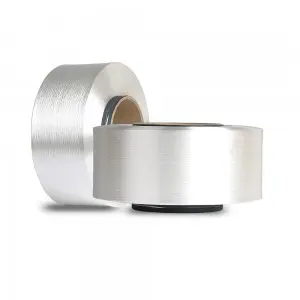
Understanding Hot Melt Bonding Basics: Yarn vs Adhesive Film
Manufacturers and textile sourcing buyers frequently encounter inconsistent peel strength, partial delamination and easy peeling when switching between hot melt yarn and flat adhesive film. Many assume poor adhesion is caused by raw material quality defects, yet most bonding failures stem from mismatched production workflows, parameter misalignment or unsuitable material matching rather than defective raw stock.
Hot melt yarn is thermoplastic filament integrated into woven, knitted or embroidery structures. It melts under controlled heat, flows into fiber gaps and forms distributed bonding points after cooling. Adhesive film creates a continuous flat glue layer between two substrates. Their bonding mechanisms differ fundamentally, which means failure modes and solutions cannot be interchanged freely.
For footwear uppers, stretch sportswear, lace and webbing applications, hot melt yarn delivers superior flexibility and fatigue resistance versus rigid adhesive film. However, it has narrower tolerance for temperature fluctuation and moisture interference, making improper operation far more likely to trigger weak bonding.
Core Root Causes of Poor Hot Melt Yarn Bonding
When finished fabrics pull apart with minimal force, the failure always falls into five core categories: thermal parameter errors, insufficient mechanical compression, incompatible base fabric, surface contamination and degraded hot melt yarn raw material. Each factor creates distinct visual defects that buyers and production supervisors can quickly identify during incoming inspection or mass production.
Common Failure Symptoms & Corresponding Root Causes
| Bond Defect Symptom | Primary Cause Category |
|---|---|
| Fabric separates easily with low tensile strength, fluffy unbonded fiber surface | Insufficient heating / short dwell time |
| Partial local peeling, uneven bonding across fabric width | Uneven pressure distribution on heat press |
| Delamination occurs after washing or humid storage | High moisture content in yarn or substrates |
| Bond line cracks after repeated stretching & bending | Mismatched melting point yarn for elastic fabric |
| Complete zero adhesion, yarn remains intact without melting | Wrong hot melt grade selected for substrate |
How Processing Parameters Ruin Adhesion (Temperature, Pressure, Dwell Time)
Thermal activation parameters are the top trigger for hot melt yarn bonding failure, responsible for over 60% of mass production quality complaints from factory clients. Unlike adhesive film that tolerates wider temperature deviations, hot melt polyamide and TPU yarn require precise control within a ±5°C range of their designated melting point.
1. Incorrect Bonding Temperature
Each hot melt yarn variant carries a fixed activation window:
- TPU elastic hot melt yarn: 90–130°C
- Polyester hot melt yarn: 110–160°C
- Bio-based PA11 hot melt yarn: 120–170°C
If heat setting temperature sits below the minimum activation threshold, the thermoplastic sheath cannot fully melt and penetrate surrounding fibers, forming only superficial “fake adhesion” that peels off after light stretching. Overheating leads to excessive melt flow, glue bleed-through on lightweight fabrics and polymer degradation, which drastically reduces long-term peel resistance.
Many production lines use uncalibrated thermocouples that display inaccurate readings, creating a false impression of correct temperature while the actual fabric surface remains too cool for full bonding.
2. Insufficient Pressure & Short Hold Time
Pressure forces melted hot melt polymer to fill micro gaps between fiber bundles. Light or uneven compression leaves air voids inside the bond line, cutting tensile strength by up to 30%. This issue rarely affects adhesive film as its flat surface naturally contacts substrates evenly with minimal pressure.
Even with adequate heat and pressure, early material removal before full cooling creates bond shifting. Hot melt polymer stays semi-fluid above 40°C; premature separation while warm eliminates stable molecular cross-linking between yarn and base fabric.
3. Excess or Insufficient Dwell Time
Fast conveyor line speed reduces heating duration, leaving the yarn core unmelted. Conversely, overly long dwell time at peak heat breaks down the hot melt polymer chain, sacrificing elasticity and cohesive force. For most textile bonding lines, dwell time must stay between 15–45 seconds based on fabric thickness and yarn denier specification.
Substrate & Material Compatibility Mismatch Issues
Sourcing buyers often select universal hot melt yarn without matching the chemical composition of their target substrates, which leads to unavoidable weak bonding even with perfect machine settings. This compatibility gap is a frequent pain point when comparing hot melt yarn against adhesive film.
Low Surface Energy Substrates
Coated synthetic fabrics, silicone-treated textiles and polypropylene liners have low surface tension. Hot melt polymer cannot fully wet the material surface, resulting in weak interfacial adhesion. Adhesive film performs slightly better here, yet both solutions require surface corona treatment to boost bonding performance.
Mismatched Elasticity Matching
Stretch spandex, swimwear and sport mesh demand elastic TPU hot melt yarn. Rigid polyamide hot melt yarn lacks matching recovery properties; repeated flexing creates internal stress cracks along bond lines, causing gradual delamination. Adhesive film suffers the same elasticity mismatch flaw and cracks far faster under cyclic stretching.
High-Porosity Heavy Fabrics
Thick canvas, shoe upper mesh and thick webbing absorb melted hot melt polymer deep into fiber pores. If yarn denier or application density is too low, insufficient adhesive residue remains at the contact interface, resulting in fragile bonding. Adhesive film avoids this issue by providing a continuous thick glue layer, but sacrifices fabric breathability.
Storage, Humidity and Contamination Interference
Polyamide-based hot melt yarn including bio PA11 is highly hygroscopic. When yarn moisture content exceeds 3%, steam generates instantly during heat setting, forming invisible micro voids throughout the bond line and lowering peel strength by roughly 20%. This moisture sensitivity is a key disadvantage compared to moisture-resistant solid adhesive film.
Contamination Sources That Block Adhesion
- Spinning oil, lubricant residue left on raw base fabrics
- Dust, silicone release agents and printing ink coatings on bonding surfaces
- Condensed workshop moisture and chemical detergent residue from pre-wash processes
Even thin oil film creates a separation barrier between melted hot melt and substrate fibers, preventing molecular fusion. Unlike adhesive film that can partially tolerate minor surface contaminants, hot melt yarn distributed bonding points fail entirely when blocked by grease or dust.
Improper Long-Term Yarn Storage
Hot melt yarn kept in unsealed packaging under high ambient humidity absorbs moisture continuously. High-temperature warehouse storage accelerates polymer aging, raising melting viscosity and reducing melt flow capacity. Degraded yarn cannot form tight fiber anchoring, resulting in consistent weak bonding across production batches.
Hot Melt Yarn vs Adhesive Film: Bond Failure Performance Comparison
Many buyers switch between the two materials to cut production costs, unaware their failure modes require entirely separate corrective measures. This table summarizes their core adhesion weak points:
表格
| Performance Factor | Hot Melt Yarn Bonding Failure Risk | Hot Melt Adhesive Film Bonding Failure Risk |
|---|---|---|
| Temperature Tolerance | Narrow window, ±5°C deviation triggers defects | Wide tolerance, ±15°C stable operation |
| Humidity Sensitivity | Extremely high; moisture ruins bonding strength | Low, solid film resists water vapor intrusion |
| Stretch & Fatigue Resistance | Low failure rate under repeated flexing | High risk of crack & layer separation |
| Surface Contamination Tolerance | Very low; tiny oil residues break adhesion | Moderate, continuous glue layer offsets minor impurities |
| Fabric Breathability After Bonding | Preserves original air permeability | Seals fabric pores, reduces breathability |
| Uniformity On Thick Mesh/Spacer Fabric | Easy uneven bonding without consistent yarn layout | Flat layer delivers consistent coverage |
Step-by-Step Troubleshooting Checklist for Manufacturers & Sourcing Buyers
Use this ordered inspection workflow to locate root causes of poor hot melt yarn bonding during production quality audits or incoming material testing:
- Verify yarn grade matching: Confirm melting point and polymer base align with substrate material
- Calibrate heat press thermometers with certified reference tools to eliminate temperature reading errors
- Check workshop humidity levels; restrict bonding operations when relative humidity exceeds 65%
- Inspect fabric surfaces for oil, ink or dust residue; perform alcohol wipe test before production
- Adjust heat press pressure and hold time; maintain full compression until substrates cool below 40°C
- Modify conveyor speed to extend dwell time for thick, high-density fabrics
- Confirm hot melt yarn packaging is fully moisture-sealed; reject cones with visible dampness
- Test alternative yarn denier specifications for highly porous textiles to increase adhesive volume
Long-Term Preventive Solutions for Stable Bond Strength
For sourcing managers aiming to cut recurring quality claims and production rework rates, implement these standardized preventive protocols:
- Conduct pre-production lab bonding tests with actual client substrates before bulk order confirmation
- Store all hot melt yarn in sealed aluminum packaging with desiccant packs, temperature-controlled warehouses
- Standardize heat setting parameter SOPs separated by yarn type and fabric thickness
- Mandate pre-bonding fabric cleaning processes for oily or printed textiles
- Match hot melt yarn elasticity grade to target product stretch requirements (TPU for elastic goods, PA for structural lining)
- Set periodic monthly calibration schedules for all heat press temperature and pressure sensors
- Compare hot melt yarn and adhesive film sample bonding results for each new product development project to select the optimal material
Frequently Asked Questions
Q1: If hot melt yarn bonds weakly, should I immediately switch to adhesive film?
Not necessarily. Most weak bonding originates from process or matching errors rather than material inferiority. Adjust temperature, humidity control and surface cleaning first before switching materials. Adhesive film improves adhesion stability but sacrifices fabric softness, stretch recovery and breathability for sportswear and footwear applications.
Q2: Can minor moisture in hot melt yarn be eliminated during heat processing?
Simple heating cannot fully remove absorbed moisture inside polyamide yarn fibers. Pre-drying yarn cones at 60°C for 2–4 hours before use reduces moisture content below the critical 3% threshold and restores standard peel strength.
Q3: Why does hot melt yarn bond well on lab samples but fail in mass production lines?
Lab testing uses stable, controlled humidity and calibrated bench heat presses. Mass production often suffers from uneven oven temperature distribution, fluctuating line speed and unregulated workshop moisture. Mirror full factory production conditions during sample testing to avoid batch quality gaps.
Q4: Is higher heat always the fix for incomplete melting and weak bonding?
Overheating degrades hot melt polymer and causes glue bleed-through on thin fabrics. Increase temperature in 5°C incremental adjustments, or extend dwell time via slower conveyor speed if temperature limits are already reached.
Conclusion
Poor hot melt yarn adhesion rarely stems from raw material defects; the majority of bonding failures arise from mismatched thermal processing parameters, unmanaged humidity, incompatible substrate matching and surface contamination. When benchmarked against adhesive film, hot melt yarn delivers superior flexibility and textile comfort but requires tighter production control to maintain consistent bond strength.
For sourcing buyers and production supervisors, systematic parameter calibration, standardized material matching protocols and strict moisture control eliminate over 90% of weak bonding issues. Conducting pre-production lab validation and regular equipment calibration minimizes rework, warranty claims and material waste across long-term manufacturing cycles.
Understanding the distinct failure modes separating hot melt yarn and adhesive film also supports more informed material selection during new product development, balancing production efficiency, finished product performance and overall manufacturing cost.
Post time: Aug-05-2026