
PA11 DTY for Outdoor Gear and Performance Apparel
Table of Contents
- Understanding PA11 DTY Basics
- Core Performance Benefits for Outdoor & Performance Wear
- PA11 DTY vs Conventional Nylon Yarns for Technical Textiles
- Real‑World Application Scenarios for PA11 DTY
- Key Specifications To Consider When Sourcing PA11 DTY
- Fabric Construction Tips Working With PA11 DTY
- Sustainability Advantages for Modern Apparel Brands
- FAQs
- Conclusion
- Related Posts
Outdoor and performance apparel buyers constantly seek yarn solutions that balance durability, comfort, functional performance and sustainable credentials. Hiking, trekking, mountain sports and high‑intensity activewear place heavy demands on fabrics: garments need to stretch with body movement, resist repeated abrasion, handle fluctuating humidity and temperature, and hold their shape through frequent washing.
PA11 DTY (Draw Textured Yarn) is a bio‑based textured polyamide yarn that addresses many of these pain points. As textured low‑elasticity filament yarn, it brings together the mechanical strength of long‑chain nylon with the softness, bulk and stretch recovery expected for knit and woven performance fabrics. Many product developers and sourcing teams are now evaluating PA11 DTY as an upgrade option over traditional PA6, PA66 and polyester for mid‑to‑high‑end outdoor lines. This article breaks down its fundamentals, practical benefits, sourcing parameters and real‑world use‑cases from a textile buyer and product developer perspective.
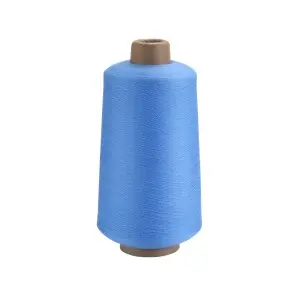
Understanding PA11 DTY Basics
PA11, also known as Nylon 11, is a long‑chain polyamide derived from renewable castor bean feedstock. Unlike food‑crop‑based bio‑polymers, castor beans grow on marginal land without competing with food agriculture supply chains.
DTY (Draw Textured Yarn) is produced via draw‑texturing process, creating permanent crimp within each filament bundle. This crimp delivers fabric bulk, soft hand‑feel, moderate stretch and excellent coverage, characteristics that differentiate DTY from smoother, stiffer FDY (Fully Drawn Yarn) variants of PA11.
While PA11 FDY works well for woven linings and high‑tenacity structural fabrics, PA11 DTY is optimized for knitted performance textiles, stretch outerwear base layers, soft shell components and footwear uppers. It is available in multiple denier ranges including 20D, 70D, 100D,150D with varied filament counts, semi‑dull luster, and pre‑dyed or raw white options for brand‑specific dyeing workflows.
Core Performance Benefits for Outdoor & Performance Wear
Outdoor end‑users expect garments to perform across rain, sweat, cold temperatures and constant friction. PA11 DTY delivers several standout functional properties that directly translate to finished‑garment advantages.
Low moisture absorption & fast drying Standard short‑chain nylons (PA6 / PA66) absorb significant moisture when sweating or exposed to rain. This causes fabric weight gain, damp sticky feel, dimensional shift and strength loss when wet. PA11 features very low equilibrium moisture absorption, keeping fabric lighter and minimizing clammy sensation during activity. Fabrics dry substantially quicker after getting wet, a key comfort feature for multi‑day outdoor trips. In burst‑strength testing, PA11 fabrics retain nearly all mechanical performance when wet, while PA6 and PA66 show significant strength drop after moisture uptake.
Excellent abrasion resistance & long service life Outdoor gear rubs against backpack straps, rock surfaces, tree branches and footwear components. PA11 DTY fabrics deliver high Martindale abrasion performance comparable to premium conventional nylons. It also reduces micro‑fiber shedding during washing cycles, extending usable garment life and lowering microplastic release into the environment.
Stable stretch and shape retention Thanks to textured crimp structure, PA11 DTY provides moderate, usable stretch paired with strong recovery. Fabrics resist permanent sagging even after repeated wear and tumble drying. Dimensional shrinkage stays low, so garments keep their original fit instead of warping after home laundering. In many fabric constructions, it reduces or eliminates the need for spandex blending, simplifying material composition and improving recyclability potential of finished textiles.
Wide temperature tolerance PA11 maintains flexibility and impact performance under cold conditions down to ‑40°C. This makes fabrics suitable for cold‑climate hiking, alpine layers and winter sports apparel without turning brittle in low‑temperature environments.
Superior dye uptake & consistent color performance PA11 DTY accepts dye evenly, supporting rich, long‑lasting colors for outdoor apparel. Semi‑dull variants produce soft non‑glare fabric appearance preferred for modern performance outerwear, avoiding the harsh shiny look common in some synthetic textiles.
PA11 DTY vs Conventional Nylon Yarns for Technical Textiles
When selecting yarn for outdoor projects, comparing real‑world performance helps buyers make material decisions aligned with product positioning.
| Yarn Type | Moisture Absorption | Wet‑State Strength Retention | Abrasion Resistance | Stretch Recovery | Carbon Footprint |
|---|---|---|---|---|---|
| PA11 DTY | Very Low (~0.9%) | Excellent | Very High | Good‑Excellent | Low (Bio‑based feedstock) |
| PA6 DTY | High | Poor | High | Good | High (Fossil‑based) |
| PA66 DTY | High | Poor | Very High | Good | High (Fossil‑based) |
| Polyester DTY | Low | Excellent | Moderate | Moderate | High (Fossil‑based) |
PA6 and PA66 remain cost‑effective mass‑market options, yet suffer major performance drop once damp. Polyester dries fast but lacks the soft touch and high abrasion resistance of polyamides. PA11 DTY sits in the premium segment: it combines low‑moisture behavior similar to polyester, with nylon‑class abrasion and tactile comfort, plus bio‑based raw material credentials. For brands targeting premium outdoor collections, sustainable product lines or long‑life durable gear, the performance premium often justifies material selection.
Real‑World Application Scenarios for PA11 DTY
PA11 DTY fits multiple categories across outdoor gear and performance apparel:
- Outdoor Base Layers & Mid‑Layers Knitted base layers made with PA11 DTY keep wearers more comfortable during perspiration, drying rapidly during high output activities. Its soft hand‑feel works well for next‑to‑skin contact, without the damp cling that can happen with regular nylon base layers.
- Soft‑shell outerwear fabrics For soft‑shell jackets and trekking pants, PA11 DTY woven‑knit blends offer mobility‑friendly stretch, wind resistance and great durability against trail abrasion. Garments hold fit through repeated washing cycles.
- Technical footwear uppers Fly‑knit and woven shoe uppers benefit from PA11 DTY’s abrasion resistance and stable elasticity. Uppers resist stretching out with repeated flexing during hiking or trail‑running. It can also work alongside low‑melt thermal fuse yarns for seamless shoe construction workflows.
- Sports & performance activewear High‑intensity activewear, trail‑running apparel and trekking accessories such as knitted gaiters, wrist sleeves and straps benefit from low‑moisture retention and shape stability.
- Travel‑focused performance apparel Multi‑purpose travel outdoor clothing gains advantage from fast‑dry properties and wash‑and‑wear dimensional stability, requiring minimal garment care while on expeditions.
Key Specifications To Consider When Sourcing PA11 DTY
Buyers and textile mills should clarify these parameters while requesting quotes or samples:
- Denier & Filament Count: Common options 70D/24F,100D/48F,150D/72D. Finer deniers create lighter base‑layer fabrics; heavier deniers target high‑abrasion outerwear and footwear.
- Luster: Semi‑dull is the most popular for performance apparel; bright full‑gloss options are available for specialized fashion‑performance hybrid products.
- Color state: Raw white for in‑house piece‑dying or yarn‑dyed pre‑colored cones. Confirm color fastness compliance for outdoor garment standards.
- Crimp / Stretch rate: Confirm elongation and recovery data matching your fabric design requirements.
- Certifications: Verify OEKO‑TEX Standard 100, RoHS, ISO compliance to satisfy brand audit and cross‑border retail requirements.
- Minimum order quantity, lead‑time and sample availability: PA11 DTY is a specialty bio‑based yarn, so sampling cycles before bulk production are strongly recommended.
Fabric Construction Tips Working With PA11 DTY
Working with PA11 DTY requires small adjustments compared to conventional synthetic yarns:
- Knitting set‑up: Its crimped DTY structure delivers good fabric cover. Work closely with your knitting mill to fine‑tune stitch density to avoid overly bulky or overly sheer textiles.
- Dyeing parameters: Follow supplier temperature and pH guidance for PA11 dyeing. Improper dye conditions can impact final hand‑feel and color fastness results. Always run lab dips before full‑scale production.
- Blending strategy: PA11 DTY can be used 100 % or blended with small percentages of other yarns. In many cases 100 % PA11 DTY can deliver sufficient stretch without adding spandex, supporting mono‑material circular‑economy goals.
- Finishing: Keep fabric finishing temperatures within supplier recommended ranges to preserve crimp elasticity and dimensional stability of PA11 DTY textiles.
Sustainability Advantages for Modern Apparel Brands
Sustainability is no longer a niche marketing point for outdoor buyers; retail partners and end‑consumers increasingly audit supply‑chain environmental impact.
- Renewable raw‑material origin: PA11 polymer originates from castor oil, a plant‑based feedstock that does not compete with food production systems.
- Reduced carbon footprint: Compared to fossil‑fuel‑based nylons and polyester, PA11 achieves significantly lower cradle‑to‑gate carbon emissions.
- Extended product lifespan: Superior abrasion and wash stability makes garments last longer. Longer usable product life lowers per‑wear environmental impact. Reduced micro‑fiber shedding also addresses key textile pollution concerns.
- Certification readiness: Qualified PA11 DTY can satisfy bio‑content claims and global textile compliance standards for sustainable apparel lines.
FAQs
Q: Is PA11 DTY more expensive than regular PA6 DTY? A: Yes. PA11 DTY sits in premium specialty yarn pricing tier. It is best positioned for high‑end outdoor collections, sustainable product lines, or applications where wet‑state performance and garment service life are top priorities. Sample testing is highly recommended to evaluate if performance gains justify project budgets.
Q: Can PA11 DTY fully replace spandex for stretch outdoor fabrics? A: For moderate‑stretch applications, yes, 100 % PA11 DTY can deliver usable stretch and recovery. For high‑power, high‑elongation stretch needs, limited spandex blending may still be required. Every fabric construction should be prototyped and tested.
Q: How does PA11 DTY perform in cold weather outdoor clothing? A: PA11 retains its flexibility at very low temperatures, resisting brittleness. It works well in cold‑climate hiking and alpine gear. Keep in mind PA11 itself is not inherently insulating; insulation performance depends on final fabric weave / knit structure and layering design.
Q: What typical certifications should I look for when sourcing PA11 DTY? A: OEKO‑TEX Standard 100, RoHS compliance and ISO quality management certification are baseline expectations for global apparel supply chains. For bio‑content marketing claims, confirm supporting documentation from your yarn supplier.
Q: Can PA11 DTY be piece‑dyed at my existing textile mill? A: Yes, but PA11 dye chemistry differs from PA6. Work with both yarn supplier and dye‑house to complete lab‑dip trials prior to bulk manufacturing to lock‑in color fastness and hand‑feel results.
Conclusion
PA11 DTY brings a compelling mix of bio‑based raw‑material origin, low‑moisture comfort, excellent abrasion resistance, stable stretch recovery and cold‑temperature performance. For outdoor gear and performance apparel product developers, it solves many practical pain‑points seen with traditional petroleum‑based nylon and polyester yarns.
It is not a universal low‑cost drop‑in replacement for mass‑market PA6. However, for premium outdoor lines, eco‑focused collections, footwear uppers and long‑life technical textiles, PA11 DTY opens new possibilities for balancing end‑user performance and sustainability goals. Successful implementation relies on early‑stage sampling, specification alignment, fabric prototyping and close collaboration between yarn supplier, knitting or weaving mill, and apparel design teams.
Post time: Aug-24-2026