
Nylon Hot Melt Yarn for 3D Flyknit Shoes: Full Guide for Footwear Material Sourcing
Table of Contents
- Introduction: Why 3D Flyknit Factories Are Shifting to Nylon Hot Melt Yarn
- Core Pain Points of Traditional Bonding for Flyknit Uppers
- What Makes Nylon Hot Melt Yarn Ideal for 3D Flyknit Construction
- Bio-Based PA11 Hot Melt Yarn: Premium Sustainable Solution for High-End Footwear
- Standard Specifications & Customizable Options for Flyknit Production
- Step-by-Step Production Workflow Using Nylon Hot Melt Yarn
- Compliance Certifications to Meet Global Footwear Market Standards
- Key Application Scenarios Across 3D Flyknit Shoe Lines
- Frequently Asked Questions for Material Procurement Teams
- Final Sourcing Takeaways
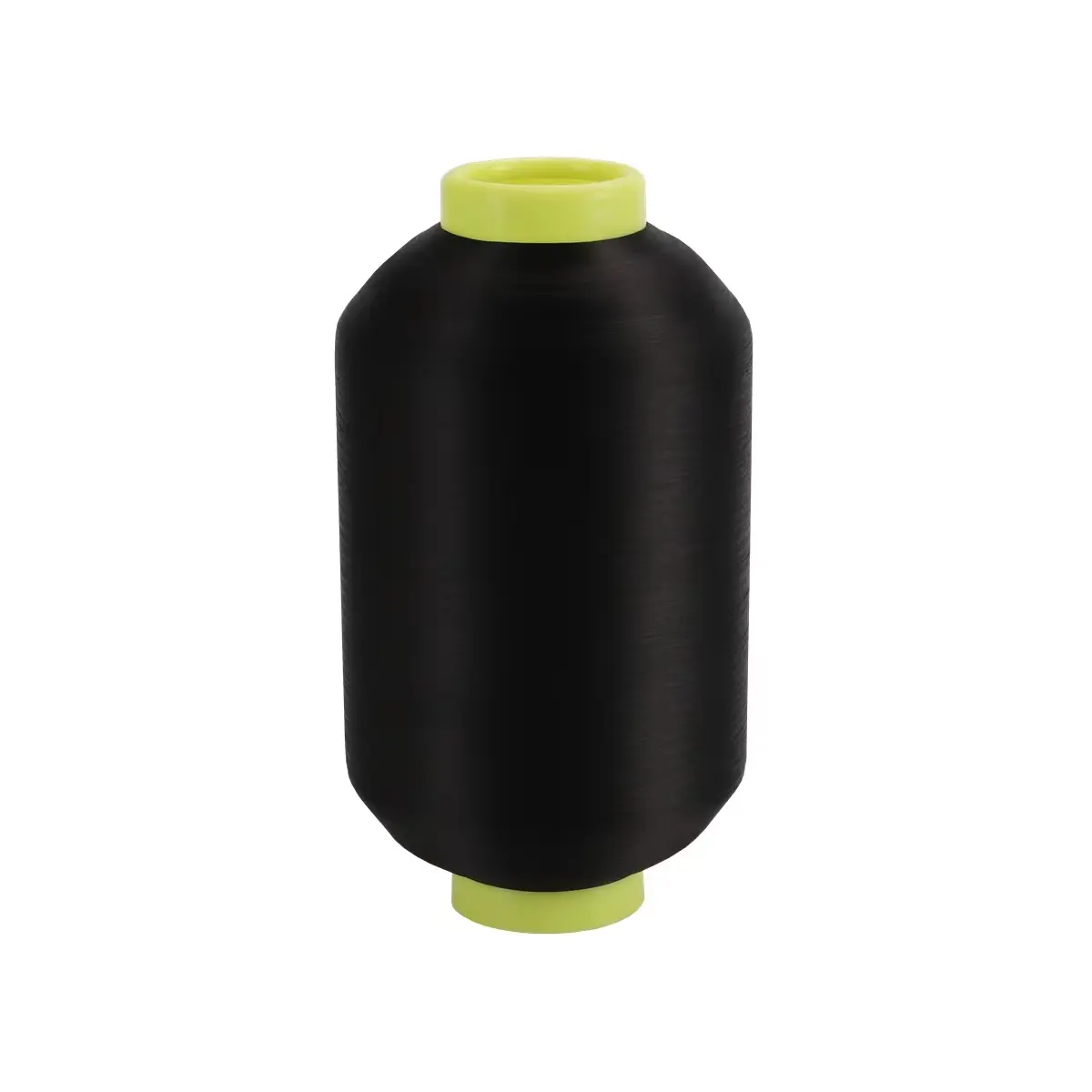
Introduction: Why 3D Flyknit Factories Are Shifting to Nylon Hot Melt Yarn
3D flyknit footwear has dominated athletic, casual and lifestyle shoe markets over the past decade, valued for lightweight structure, 360° breathability and seamless upper construction. Yet most manufacturers continue to face persistent structural and production bottlenecks: loose fabric weaves, poor shape retention, high VOC emissions from liquid glues, inconsistent bonding strength and shortened product lifespans.
Nylon hot melt yarn (low melting point polyamide filament) eliminates these pain points in one integrated material. Unlike polyester hot melt alternatives, nylon-based thermal fuse yarn delivers balanced softness, tensile strength and dye compatibility tailored to the complex weave structures of 3D flyknit uppers. This guide breaks down all technical, production and sustainability factors procurement managers need to evaluate when sourcing hot melt yarn for flyknit shoe lines, including premium 100% bio-based PA11 grades for brands prioritizing carbon reduction targets.
Core Pain Points of Traditional Bonding for Flyknit Uppers
Before evaluating nylon hot melt yarn, it is critical to map the operational and quality flaws of conventional flyknit bonding methods:
- Liquid solvent glue releases high VOCs, failing OEKO-TEX and REACH compliance for EU and North American retail markets
- Manual glue spraying creates uneven bonding, leading to delamination, peeling and rejected finished uppers
- Long curing drying cycles extend production lead times and raise factory energy costs
- Stitching adds rigid seams that disrupt the flexible, second-skin fit of 3D flyknit uppers
- Petroleum-based polyester hot melt yarn has limited abrasion resistance, generating microplastic shedding during wear
- Generic nylon yarns absorb excess moisture, causing fabric shrinkage and shape distortion after washing
Nylon hot melt yarn integrates structural support and heat-activated bonding into a single knitting filament, removing separate gluing or stitching steps while boosting long-term upper durability.
What Makes Nylon Hot Melt Yarn Ideal for 3D Flyknit Construction
Nylon thermal fuse filament is engineered to melt at controlled low temperatures (85°C–110°C). When woven directly into 3D flyknit structures, targeted heat treatment triggers fusion between adjacent yarns to lock the 3D lattice shape without extra adhesives. Its core performance advantages for flyknit shoe production are listed below:
1. Superior Structural Stability for Complex 3D Weave Lattices
Pure flyknit fabric features high horizontal elasticity but weak shape retention, especially at high-stress zones like heel counters, toe boxes and arch supports. Interweaving nylon hot melt yarn creates invisible internal support frames. Post heat-setting, the upper maintains its original contour through repeated bending, washing and long-term wear without sagging or deformation.
2. Balanced Lightweight & High Abrasion Resistance
Nylon hot melt fiber delivers high tenacity (5.0–6.4g/d tensile strength) with low density, avoiding the bulky rigidity of TPU bonding filaments. Finished flyknit uppers weigh significantly less while resisting surface friction, reducing microfiber particle loss during daily use and extending shoe service life.
3. Low Melting Temperature Protects Delicate Flyknit Base Yarns
Activation temperature sits between 85°C–90°C for standard grades. Heat setting requires only 20–30 seconds of dry heat, eliminating thermal damage to standard PA6, polyester and recycled base yarns woven alongside the hot melt filament.
4. Excellent Dye Compatibility for Custom Footwear Colorways
Compared to polyester hot melt yarn, nylon thermal fuse accepts acid dyes uniformly. Factories can complete full upper water dyeing after heat bonding without streaking, discoloration or uneven shade variation, supporting unlimited custom color matching for brand seasonal designs.
5. Low Moisture Absorption Prevents Fabric Warping
Standard petroleum nylon absorbs ambient moisture, triggering shrinkage and dimensional shift. Low-melt nylon variants feature optimized molecular structures that minimize water uptake, keeping flyknit uppers dimensionally stable across humid manufacturing facilities and end-user wear environments.
6. Zero VOC Production Streamlines Factory Compliance
Heat fusion requires no chemical adhesives, eliminating solvent waste, toxic fume emissions and lengthy drying workflows. Production lines cut energy consumption while automatically meeting global textile safety standards.
Bio-Based PA11 Hot Melt Yarn: Premium Sustainable Solution for High-End Footwear
For premium sportswear, outdoor and sustainable footwear brands, 100% bio-based PA11 FDY and DTY hot melt yarn represents a next-generation upgrade over standard PA6 low melt filament. Derived from renewable castor oil feedstock, PA11 hot melt yarn addresses both performance and corporate carbon goals, with exclusive benefits for 3D flyknit production:
- No food crop competition: Raw material supply chain avoids agricultural land conflict common to plant-based textile alternatives
- Carbon footprint reduction of minimum 50% versus petroleum-based polyester and PA6 yarns, supporting brand ESG reporting targets
- Ultra-low density further reduces overall shoe upper weight for high-performance athletic footwear
- Enhanced abrasion and fatigue resistance: Outperforms PA6 in repeated flex testing for running, training and outdoor flyknit shoes
- Stable physical properties across extreme temperature ranges, suitable for all-climate footwear lines
- Fully compatible with standard flyknit circular and warp knitting equipment, no machinery modification required
A key distinction for procurement teams: bio-based PA11 hot melt yarn is available in both FDY flat filament and textured DTY formats to match lightweight fine-gauge flyknit and thick structural support zones respectively.
Standard Specifications & Customizable Options for Flyknit Production
All nylon hot melt yarn grades can be tailored to match 3D flyknit machine gauge, upper weight targets and bonding temperature requirements. Standard and custom specifications widely adopted by global flyknit factories:
Filament Types
- FDY Flat Yarn: 20D/7F, 70D/24F, 100D/36F – ideal for thin, lightweight vamp and mesh panel flyknit sections
- DTY Textured Yarn: 40D/36F, 70D/72F, 150D/48F – used for heel, arch and toe structural reinforcement zones
Melting Point Customization
- Low-temperature grade: 85°C–90°C for delicate thin mesh flyknit uppers
- Standard grade: 95°C–110°C for thick multi-layer structural flyknit
Color & Finish
- Base stock: semi-dull white virgin filament
- Custom full water dyeable color options for integrated colored upper production
Packaging & MOQ
- Standard cone winding for direct feed into industrial flyknit knitting machines
- Flexible minimum order volumes for small-batch brand sampling and mass bulk production
Step-by-Step Production Workflow Using Nylon Hot Melt Yarn
Integrating nylon hot melt yarn into existing 3D flyknit manufacturing lines requires minimal process adjustment, following this streamlined workflow:
- Co-wind nylon hot melt filament with primary base yarns on flyknit machine spools
- Complete full 3D seamless upper knitting, embedding hot melt yarn in targeted support zones
- Heat-set finished flyknit fabric via dry heat tunnel (120°C–180°C, 20–30 second dwell time)
- Hot melt filaments activate and fuse interlaced yarns to lock the 3D woven structure
- Optional full fabric water dyeing for custom colorways
- Direct assembly with shoe sole components, eliminating separate gluing or stitching reinforcement
This workflow cuts 2–3 separate production steps compared to traditional glue-bonded flyknit manufacturing, lowering total labor and energy overhead for large-scale footwear factories.
Compliance Certifications to Meet Global Footwear Market Standards
All commercial nylon hot melt yarn for export flyknit footwear carries globally recognized third-party certifications, removing market access barriers for procurement teams supplying EU, US and APAC retail brands:
- OEKO-TEX Standard 100: Non-toxic, heavy-metal free filament safe for direct skin contact
- RoHS: Restricted hazardous substance compliance for finished textile products
- SGS full material performance testing (tensile strength, peel adhesion, abrasion resistance, moisture stability)
- ISO 9001 consistent manufacturing quality control for bulk batch consistency
Bio-based PA11 grades additionally support third-party carbon footprint verification for sustainable brand product labeling.
Key Application Scenarios Across 3D Flyknit Shoe Lines
Nylon hot melt yarn is versatile for every category of seamless flyknit footwear, with targeted use cases for different product lines:
- Performance running flyknit uppers: Lightweight PA11 FDY to cut shoe weight while locking arch support structure
- Lifestyle casual sock sneakers: Soft DTY low melt nylon for flexible, skin-friendly seamless vamps
- Outdoor hiking flyknit shoes: High-abrasion PA11 filament to reinforce high-friction toe and heel zones
- Children’s flyknit footwear: Low-VOC, fully certified non-toxic nylon hot melt with soft flexible bonding
- Luxury sustainable fashion sneakers: 100% bio-based PA11 yarn to support brand zero-carbon material roadmaps
Frequently Asked Questions for Material Procurement Teams
Q1: Can nylon hot melt yarn be mixed with recycled polyester and recycled nylon base yarns?
A1: Yes. The thermal fusion mechanism works seamlessly with all common recycled synthetic flyknit base yarns, with no compatibility issues during heat setting or dyeing. Many sustainable footwear suppliers combine recycled base fibers with bio-based PA11 hot melt to achieve full circular material profiles.
Q2: Does switching to nylon hot melt yarn require new flyknit knitting machinery?
A2: No. All standard circular, warp and flat flyknit knitting machines support direct feeding of nylon hot melt FDY and DTY filaments without mechanical upgrades or modified knitting programs.
Q3: What is the peel strength performance of heat-fused flyknit fabric made with nylon hot melt yarn?
A3: Proper heat-set material achieves peel strength above 40 N/cm, exceeding the minimum industrial standard for footwear upper structural bonding, and maintains consistent adhesion after repeated washing cycles.
Q4: Is bio-based PA11 hot melt yarn cost-competitive for mass-volume footwear production?
A4: While PA11 carries a slight premium over standard PA6 low melt yarn, the production efficiency gains (eliminated gluing steps, reduced reject rates, lower carbon tax exposure for export brands) offset raw material cost differences for medium and large batch orders.
Q5: Can custom denier and filament counts be developed for proprietary flyknit upper designs?
A5: Full custom R&D and spinning support is available for brand exclusive flyknit structures. Material partners can develop bespoke denier, filament count and melting point grades to match proprietary knitting patterns.
Final Sourcing Takeaways
Nylon hot melt yarn has evolved from a niche textile additive to a foundational material for modern 3D flyknit footwear production, solving longstanding quality, production and sustainability limitations of glue and stitching-based bonding. For procurement teams evaluating material upgrades:
- Standard PA6 low melt nylon delivers balanced cost-performance for mainstream casual and athletic flyknit lines
- 100% bio-based PA11 FDY/DTY hot melt yarn is the premium choice for brands targeting sustainability, lightweight performance and extended product durability
- Prioritize suppliers offering full certification, flexible custom specifications and factory process technical support to streamline line integration
- Testing small sample batches across multiple heat-set temperature cycles before bulk orders minimizes production trial and error risk
As global footwear brands continue to prioritize seamless, low-waste and low-carbon manufacturing, nylon hot melt yarn will become the standard thermal bonding solution for all new 3D flyknit shoe collections.
Post time: Jul-06-2026