
Low Melting Point Nylon Yarn for Shoe Uppers: A Complete Guide
Shoe developers, material buyers, and production engineers are constantly searching for materials that balance durability, comfort, and process‑friendliness. Low melting point nylon yarn has rapidly become a go‑to solution for modern shoe uppers, especially for fly‑knit, athletic, and casual footwear. This functional yarn removes the need for liquid glue, improves structural stability, and opens new possibilities for lightweight shoe design. Still, many sourcing teams struggle with melting‑point selection, denier matching, processing pitfalls, and performance validation. Understanding this material thoroughly will help you make better decisions for your footwear lines.
Table of Contents
- Understanding Low Melting Point Nylon Yarn Basics
- Core Benefits for Shoe Upper Manufacturing
- Key Performance Parameters to Evaluate
- Comparing Low‑Melt Nylon vs Low‑Melt Polyester for Footwear
- Common Application Scenarios Within Shoe Uppers
- Processing Best‑Practices for Production Lines
- Typical Mistakes When Sourcing and Using Low‑Melt Nylon Yarn
- Buyer’s Checklist for Sample & Bulk Order Evaluation
- Frequently Asked Questions
- Conclusion
- Related Posts
Understanding Low Melting Point Nylon Yarn Basics
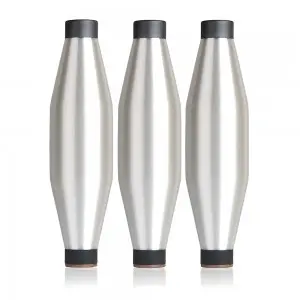
Low melting‑point nylon yarn (also called nylon thermal‑fuse yarn) is a modified polyamide filament engineered to melt at much lower temperatures than standard nylon fiber. While conventional nylon melts above 210 °C, commercial low‑melt nylon yarn for shoe uppers typically activates between 85 °C‑110 °C.
During normal knitting or weaving, it behaves like regular textile yarn. Once heat is applied via hot‑press, hot‑air tunnel or steam treatment, the yarn softens and flows locally. On cooling, it re‑solidifies and creates physical fusion points between surrounding fibers, acting as an internal textile binder without extra glue or adhesive films.
For shoe uppers, this means you can knit complex 3D fly‑knit structures and lock the fabric geometry in‑place in one thermal finishing step. It stabilizes stretch zones, reinforces high‑stress areas, and maintains breathability compared to full glue lamination.
Critical baseline facts:
- Most available forms: FDY or DTY filament yarn
- Usable denier range for uppers: 20D up to 300D
- Main raw‑material variants: modified PA6, bio‑based PA11
- Activation method: dry heat or controlled steam; avoid over‑heating above target peak temperature
Core Benefits for Shoe Upper Manufacturing
Many footwear manufacturers switch to low‑melt nylon yarn to solve real pain‑points in both product performance and factory workflow.
Glue‑free structural bonding The yarn itself delivers bonding power. You can reduce or eliminate liquid glue applications. This lowers chemical‑odor risks, cuts glue‑application labour steps and removes volatile organic compound concerns for finished goods.
Balanced stability and wearing comfort After thermal setting, fusion points hold the upper shape and resist stretching under repeated foot movement. Unlike rigid glue layers, the textile matrix remains flexible, so uppers stay soft and conformable instead of feeling board‑like or stiff.
Superior abrasion and tensile performance Nylon‑base material brings excellent abrasion resistance, which is critical for shoe uppers that experience constant rubbing during walking and sports activity. Good tear strength helps uppers survive long‑term consumer usage.
Preserved breathability Since bonding happens at discrete fiber‑to‑fiber contact points rather than forming a continuous plastic film, air permeability of knitted uppers is largely retained. This is a major advantage over glued or film‑laminated constructions for sports footwear.
Compatibility with existing textile equipment Low‑melt nylon yarn can normally be knitted on standard fly‑knit circular machines without major hardware modification. Factories only need to fine‑tune downstream thermal‑finishing parameters for optimal results.
Wash‑resistant shape retention Properly fused structures maintain shape through repeated washing cycles. This matters for washable‑shoe categories where uppers must not deform or delaminate after home‑laundry cycles.
Key Performance Parameters to Evaluate
Before sampling, buyers should define clear technical requirements. Below are the most important specifications for shoe‑upper projects.
| Parameter | Typical Range for Shoe Uppers | Practical Impact |
|---|---|---|
| Melting / activation temperature | 85 °C ~ 110 °C | 85 °C grades are gentler on spandex and heat‑sensitive yarns. 110 °C grades deliver stronger bond for structural zones like heel counters. |
| Denier & filament count | 50D‑150D most common for uppers | Finer denier for soft flexible zones; higher denier for reinforcement sections. Higher filament count gives smoother fabric surface. |
| Tenacity / tensile strength | 4.5‑7 g/denier | Higher tenacity improves upper tear‑resistance for sport‑focused shoes. |
| Shrinkage rate | 3‑8 % (hot air) | Too‑high shrinkage can warp finished uppers during heat‑setting. Must match your existing knit‑blend yarns. |
| Color & dye‑ability | Raw‑white, black, custom dope‑dyed colors | Raw‑white allows post‑dyeing; dope‑dyed simplifies production for fixed‑color lines. |
| Certifications | OEKO‑TEX Standard 100, REACH compliance | Mandatory for footwear selling into European and many global retail markets. |
Important note: melting point listed on datasheets refers to activation range. Real‑world factory results will shift based on heating duration, pressure, and mix ratio with other yarns in your knit recipe. Always run production‑scale trials before bulk orders.
Comparing Low‑Melt Nylon vs Low‑Melt Polyester for Footwear
Both low‑melt nylon and low‑melt polyester yarn are used in shoe manufacturing, but they serve different priorities.
表格
| Item | Low‑Melt Nylon Yarn | Low‑Melt Polyester Yarn |
|---|---|---|
| Melting‑point window | 85‑110 °C, lower activation | 110‑160 °C, requires higher heat input |
| Hand‑feel & flexibility | Softer after bonding | Slightly stiffer set |
| Abrasion resistance | Excellent | Good but inferior to nylon |
| Moisture‑related performance | Higher moisture absorption | Low moisture absorption, dimensionally stable in humid environments |
| Compatibility with elastane / spandex | Better; lower heat risk to stretch fibers | Higher heat‑setting may damage spandex blends |
| Cost level | Higher | More cost‑competitive |
For most fly‑knit athletic shoe uppers where softness, abrasion resistance and low‑temperature processing matter, low‑melt nylon yarn is preferred. Polyester low‑melt yarn is often selected for cost‑focused projects or applications needing very low moisture‑sensitivity.
Common Application Scenarios Within Shoe Uppers
Low‑melting‑point nylon yarn is not used as 100 % of the knit. It is blended together with regular base yarns at defined percentages according to zone function.
3D fly‑knit full shoe uppers Mixed into the overall knit construction to lock the 3D geometry after heat setting. Prevents uppers from over‑stretching and preserves the original shoe last shape.
Heel‑counter and rear‑foot reinforcement zones Higher mixing ratio in heel sections creates local rigidification without inserting separate synthetic counter materials. Reduces component count and assembly steps.
Toe‑cap reinforcement Added in toe‑box areas to boost abrasion‑resistance and prevent bagging / deformation during repeated use.
Seam‑free edge stabilization Used for raw edge finishing of knit uppers, stopping edge fraying without stitching or binding tapes.
Stretch‑zone balancing Inserted selectively across instep and ankle regions to moderate stretch. Maintains wearing comfort while avoiding excessive looseness.
Processing Best‑Practices for Production Lines
Even with high‑quality yarn, poor thermal‑finishing parameters will produce defective uppers. Production teams should focus on these points.
- Match activation temperature to yarn grade If you select an 85 °C grade yarn, do not run finishing temperatures far above that threshold. Excess heat can cause complete yarn liquefaction, creating hard shiny spots or fabric brittleness on uppers.
- Control heating duration and pressure together Bonding quality depends not only on temperature but also dwell‑time and pressure in hot‑press equipment. Short time at too‑low temperature results in weak, easily‑peeled fusion. Over‑long heating degrades base fibers.
- Optimize blend percentage in knit design Typical mixing ratios for shoe uppers range 10 %‑25 % by weight. Higher ratios deliver firmer structure but increase fabric stiffness. Work with your knit technician to test multiple blend levels per shoe zone.
- Manage raw‑material storage conditions Nylon‑based yarn absorbs ambient moisture. Store spools under 40‑55 % relative‑humidity environment. Excess moisture can create bubbles or uneven bonding during thermal processing.
- Validate finished‑part performance with real‑world tests Include stretch‑recovery testing, abrasion cycles, and simulated washing tests for prototype uppers before approving bulk material. Lab‑sheet specs alone cannot guarantee end‑product performance.
Typical Mistakes When Sourcing and Using Low‑Melt Nylon Yarn
Buyers and factories repeatedly run into similar pitfalls when adopting low‑melt nylon yarn for shoe uppers. Recognizing these helps you avoid costly production delays.
Ignoring base‑fabric heat tolerance If your shoe‑upper contains heat‑sensitive spandex or TPU‑coated yarns, selecting a 110 °C yarn grade may damage those components. In such cases, switch to 85 °C low‑melt nylon variants.
Expecting full structural strength from low‑melt yarn alone Low‑melt nylon yarn mainly provides bonding. For high‑strength zones, design your knit structure with regular high‑tenacity core yarns; the thermal‑fuse yarn works as the binder rather than the main load‑bearing fiber.
Skipping pre‑production sample trials Datasheet parameters do not account for your specific knit pattern, machine settings, and finishing equipment. Never directly place large‑volume orders based only on spec‑sheet review.
Incorrect denier selection for the fabric weight Too‑coarse denier in lightweight uppers creates visible lumps and poor surface appearance. Too‑fine denier in heavy structural uppers delivers insufficient bonding power. Always match denier to your fabric target weight.
Confusing low‑melt‑nylon with low‑melt‑polyester specifications Mix‑ups between nylon‑type and polyester‑type yarn lead to wrong thermal‑setting parameters and massive batch rejection risk. Confirm base polymer when you place each order.
Buyer’s Checklist for Sample & Bulk Order Evaluation
Use this checklist when evaluating new low‑melting‑point nylon‑yarn suppliers for shoe‑upper projects:
✅ Confirm exact base polymer (modified‑PA6 or bio‑PA11), stated melting‑activation range, denier / filament count ✅ Request full material safety documentation: OEKO‑TEX, REACH SVHC test‑reports ✅ Receive knit‑sample swatches made with your target blend‑ratio for hand‑feel visual inspection ✅ Perform in‑house heat‑setting simulation on swatches to check bonding strength, hard‑spot risk, shrinkage ✅ Run abrasion, stretch‑recovery, and simulated wash testing on treated samples ✅ Clarify MOQ, lead‑time, available color‑options, and whether custom melting‑point tuning is possible ✅ Agree on acceptance criteria for bulk goods: shrinkage‑tolerance, melting‑point deviation, visual spool quality standards
Frequently Asked Questions
What melting‑point grade should I pick for my shoe‑upper project?
If your upper contains spandex or other heat‑sensitive fibers, choose 85 °C grade. For structural reinforcement zones that can accept higher heat input, select the 110 °C variant. Always validate using your own fabric and production equipment.
Does low‑melt‑nylon yarn reduce shoe‑upper breathability?
When properly used at reasonable blend‑ratios, breathability remains largely intact. Unlike continuous glue‑films, bonding occurs at discrete fiber‑contact‑points. Very high blend percentages will reduce air‑flow performance.
Can low‑melt‑nylon bonded shoe uppers survive repeated washing?
Yes, under normal consumer‑wash‑temperatures (40‑60 °C). Avoid high‑temperature industrial‑washing cycles above 70 °C, which can re‑soften fusion bonds and cause structure failure.
Can low‑melting‑point nylon yarn be dyed after knitting?
Raw‑white low‑melt‑nylon yarn supports piece‑dyeing post‑knitting. Dope‑dyed black or colored yarn options are also available to skip downstream dye‑steps for fixed‑color‑product lines. You need to coordinate dye‑temperature profiles to prevent accidental yarn melting during dye processing.
What is the typical minimum‑order‑quantity?
MOQ varies from supplier to supplier. Common MOQ range is 200‑1000 kg depending on color and custom‑spec requirements. Special melting‑point‑tuned grades usually carry higher minimum‑order‑values.
Conclusion
Low melting‑point nylon yarn continues to reshape modern shoe‑upper design, especially for fly‑knit athletic footwear. It delivers glue‑free bonding, shape‑stability, good abrasion‑resistance, and maintains fabric breathability, while fitting into most existing knitting‑factory workflows.
Success depends on more than ordering a yarn with the right datasheet numbers. Material buyers and product teams must select correct melting‑point and denier grades, define suitable knit‑blend ratios, fine‑tune thermal‑finishing conditions, and complete end‑use performance testing before mass‑production. When specified and processed correctly, low‑melt‑point nylon yarn gives footwear brands new opportunities to create lighter, cleaner, and more durable knit shoe uppers.
Post time: Aug-28-2026