Import Duty on Hot Melt Yarn Explained: A Complete Guide for Global Textile Buyers
Introduction
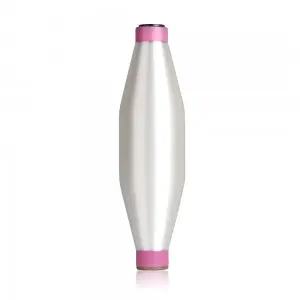
Hot melt yarn (also known as thermal fuse low-melting filament yarn) is a core specialty textile raw material widely used in shoe uppers, underwear, lace, woven webbing, garment linings, home textiles and industrial composite fabrics. Unlike regular nylon or polyester filament, it features a low melting point, thermal bonding performance and stable physical properties, making it irreplaceable for seamless bonding processes across textile manufacturing chains.
For procurement managers, factory sourcing teams and textile importers worldwide, import duty rules directly determine landed cost, order profit margins and supply chain planning. Misclassification, incomplete tariff research or overlooking regional trade agreement benefits often lead to unexpected extra taxes, customs detention, fines or delayed production schedules.
This guide breaks down every critical detail of
hot melt yarn import duty calculation, global tariff classification, regional duty rate benchmarks, common cost pitfalls and actionable cost-saving strategies, tailored to the daily workflow of cross-border textile buyers.
1. Core Foundation: Correct HS Classification for Hot Melt Yarn
Import duty rates are locked to Harmonized System (HS) codes, the universal global product classification standard. The first six digits are unified across all WTO member countries; each nation adds 2–4 extra digits for local tariff subdivisions. Mislabeling HS codes is the top cause of over-taxation and customs inspection delays for hot melt yarn shipments.
Standard HS Code Ranges for Hot Melt Yarn
Hot melt yarn falls under Chapter 54 (Man-made synthetic filament yarn, non-retail spools) rather than electrical thermal fuse categories (Chapter 85, which applies to electronic thermal protection parts, a frequent misclassification error).
- Polyamide (Nylon/PA11/PA6) hot melt filament yarn: Primary HS 5402 series
- 5402.11: High-tenacity polyamide hot melt filament
- 5402.51: General nylon multifilament hot melt yarn (FDY/DTY low-melt thermal fuse yarn)
- Polyester-based hot melt yarn: HS 5402.33 / 5402.62
- Blended hot melt bonding yarn: Secondary classification under 5402.59
Key Classification Rules to Avoid Customs Rejection
- Declare full product attributes on commercial invoices: Filament type (FDY/DTY), polymer base (PA11 bio-based nylon / PA6 / PET), melting point, denier specification, spool packaging format
- Do not label as “thermal fuse” without clarifying it is textile bonding yarn; customs will misroute to electrical goods HS codes with drastically higher duty rates
- Bio-based PA11 hot melt yarn does not qualify for separate HS coding—tariff rules treat it as standard polyamide filament yarn globally
2. How Import Duty Is Calculated Step-by-Step
All major importing economies follow the ad valorem duty formula based on customs valuation (CIF landed price), with additional domestic consumption taxes (VAT/GST) levied separately.
Standard Duty Calculation Formula
- Calculate Customs Dutiable Value (完税价格)
- CIF term shipments: Dutiable value = Invoice product value + Ocean/Air freight + Shipping insurance
- FOB term shipments: Customs authorities automatically add freight and insurance costs to compute the equivalent CIF value for taxation
- Base Import Duty = Dutiable Value × Applicable Tariff Rate (MFN / FTA preferential rate)
- Total Landed Tax Cost = Base Import Duty + Import VAT/GST (calculated on dutiable value + base duty)
Practical Calculation Example
An importer receives 1,000kg PA11 hot melt DTY yarn with CIF value of $8,000, MFN tariff rate 8.8%, import VAT 10%:
- Base Duty = $8,000 × 8.8% = $704
- VAT Base = $8,000 + $704 = $8,704
- Import VAT = $8,704 × 10% = $870.4
- Total tax payable = $704 + $870.4 = $1,574.4
3. Regional Import Duty Rate Benchmarks for Hot Melt Yarn
Duty levels vary widely by import region, driven by Most Favored Nation (MFN) baseline tariffs and free trade agreement (FTA) zero/low-preference rates. Below are widely applicable rates for polyamide hot melt yarn (HS 5402.51):
North America (United States)
- Base MFN tariff: 8.8% for nylon filament hot melt yarn
- Preferential zero-duty access for shipments originating from FTA partner nations: Singapore, Australia, Chile, Mexico, Canada, Peru
- Additional risk: Section 301 supplementary tariffs may apply to goods from specific manufacturing origins, requiring advance cross-check via USITC official tariff database
- Secondary penalty: Incorrect HTS 10-digit subdivision classification triggers full cargo inspection and back-tax collection
European Union (EU 27 Member States)
- Unified MFN tariff: 7–9% for synthetic polyamide filament yarn
- Zero or reduced duty for suppliers under EU bilateral trade pacts with Vietnam, South Korea, Japan
- TARIC database required to confirm country-specific 10-digit tariff subdivisions for low-melt bonding yarn
- EU VAT standard rate 19–27% (varies by member country) charged after import duty assessment
Southeast Asia (Vietnam, Indonesia, Thailand, Malaysia, Singapore)
- Singapore: Zero import duty on all man-made filament yarns; only 7% GST applied
- Vietnam: MFN tariff 10–12% for nylon hot melt yarn; ASEAN FTA shipments qualify for 0–5% reduced duty with valid Certificate of Origin
- Indonesia: Base tariff 11% + 10% VAT; GSP preferential rates available for eligible low-cost manufacturing origins
- Thailand: MFN rate 8% for polyamide filament, ASEAN intra-trade duty reduction scheme
Oceania (Australia, New Zealand)
- Australia: MFN tariff 7.5% baseline; zero duty for goods covered by bilateral FTAs
- Goods and Services Tax (GST) 10% calculated on full dutiable value plus import duty
South Asia (India, Bangladesh)
- India: MFN tariff 12–15% for synthetic filament yarn, plus integrated GST 18%
- Bangladesh: Base duty 10% for nylon hot melt yarn, limited GSP exemptions for LDC manufacturing partners
4. Key Factors That Change Your Final Duty Expense
4.1 Free Trade Agreement (FTA) Preferential Tariffs
FTAs are the biggest cost-saving lever for hot melt yarn importers. Valid original origin certificates (CO, Form E, Form A, etc.) allow buyers to replace standard MFN duty with drastically reduced or zero rates.
- Critical note: Origin rules require yarn production (spinning, texturing) to complete within the FTA partner territory; yarn spun in one country and re-spooled elsewhere will not qualify for preferential rates.
4.2 Product Denier & Form (FDY vs DTY Hot Melt Yarn)
Most national tariff schedules separate flat filament (FDY) and textured filament (DTY) yarn under distinct 10-digit subcodes, which may carry minor duty rate differences (0.5–2% variance). Importers must match the HS subdivision to their actual yarn form to avoid customs adjustments.
4.3 Bio-Based PA11 Hot Melt Yarn Special Considerations
100% bio-castor oil PA11 hot melt yarn carries identical tariff classification as petroleum-based PA6 nylon yarn in nearly all global customs systems. There are no universal tax rebates or reduced import duties for bio-based textile filaments, though some regional sustainability incentive programs offer post-import tax credits for manufacturers using bio-sourced raw materials.
4.4 Shipment Valuation & Trade Terms
Customs strictly audit declared invoice values. Under-declaring product value to cut duty triggers cargo seizure, back payment of full taxes plus administrative fines, and permanent customs flagging for future shipments. All freight and insurance costs must be transparently listed regardless of FOB/CFR/CIF trade terms.
5. Common Import Duty Mistakes That Cost Buyers Extra Capital
- Misclassifying hot melt yarn as electrical thermal fuse (HS Chapter 85)
This error leads to duty rates jumping from 7–12% to 20–40%, plus full physical inspection of all yarn spools, delaying delivery by 7–15 working days. Always highlight “textile bonding filament yarn” on all customs documentation.
- Skipping FTA origin certificates to save paperwork costs
A $50 official certificate can eliminate 8–15% base duty on bulk orders; skipping this document erodes order profit margins by thousands for full-container shipments.
- Ignoring country-specific 10-digit tariff subdivisions
Using only the 6-digit global HS code without cross-checking local 10-digit breakdowns leads to retroactive tax surcharges after cargo arrival at destination ports.
- Mixing hot melt yarn with regular sewing yarn in one customs declaration
Sewing thread (HS 5401) carries separate, often higher tariff rates; consolidated shipments must split line items by HS code to avoid blanket higher-duty assessment for the entire consignment.
- Incomplete product descriptions on commercial invoices
Vague labels like “nylon yarn” without melting point, denier, FDY/DTY specification force customs officials to assign the highest possible tariff subcategory.
6. Practical Strategies to Minimize Hot Melt Yarn Import Duty Costs
Strategy 1: Map FTA Eligibility Before Placing Bulk Orders
Prior to finalizing supplier contracts, cross-reference the origin country’s active FTAs with your import market. Prioritize manufacturers located in FTA partner territories to unlock zero-duty access, and confirm the supplier can issue certified origin documentation.
Strategy 2: Pre-File Customs Classification Rulings
For recurring large-volume hot melt yarn imports, submit a formal classification request to your destination customs authority. A binding ruling locks in the correct HS code and tariff rate for all future shipments, eliminating unexpected tax fluctuations.
Strategy 3: Optimize Shipment Consolidation & Valuation
Split mixed cargo shipments into separate HS code line items; fully disclose all freight, insurance and auxiliary costs to avoid customs value upward adjustments. Negotiate transparent, itemized supplier invoices with full yarn technical specifications.
Strategy 4: Explore Bonded Warehouse & Temporary Import Regimes
For manufacturers processing finished goods for re-export, bonded warehouse storage suspends import duty and VAT payment until yarn enters domestic production. Temporary import schemes eliminate duty entirely if all finished textile products are exported overseas within the regulated time window.
Strategy 5: Diversify Sourcing Regions Based on Tariff Profiles
If your primary import market imposes high MFN duties on yarn from your current supplier base, add secondary manufacturing partners in FTA-eligible countries to balance tariff overhead across order cycles.
7. Frequently Asked Questions from Global Textile Importers
Q1: Is hot melt yarn subject to anti-dumping or countervailing duties?
Standard low-melt polyamide hot melt filament yarn has no universal global anti-dumping measures. However, occasional regional temporary trade safeguards may apply to large-volume textile filament imports; buyers should review the destination country’s trade remedy registry quarterly.
Q2: Do small sample shipments escape import duty?
Nearly all nations implement a low-value de minimis threshold (typically $100–$800 USD). Shipment values below this limit waive base import duty, though administrative customs processing fees may still apply. Bulk production orders over the threshold follow standard tariff rules.
Q3: Does recycled hot melt yarn receive preferential import duty treatment?
At present, no major WTO member country offers dedicated reduced tariffs for recycled polyamide hot melt yarn. Some domestic manufacturing tax incentives apply post-import for finished textile production using recycled raw materials, but this does not lower customs import duty at entry.
Q4: How often do hot melt yarn tariff rates change?
MFN baseline tariffs remain stable for multi-year periods, while FTA preferential rates update per bilateral trade agreement revisions. Buyers should re-verify tariff schedules 30 days before each large shipment, as annual national budget adjustments occasionally modify textile filament duty brackets.
Conclusion
Hot melt yarn import duty management is a foundational part of textile supply chain cost control. The core workflow for every importer should follow three steps: confirm accurate HS classification → calculate full landed tax including duty and domestic consumption taxes → leverage FTA and customs regime tools to cut unnecessary overhead.
By avoiding common classification errors and proactively utilizing preferential trade frameworks, procurement teams can lock in predictable landed costs, eliminate costly customs delays and sustain healthier profit margins for textile finished goods ranging from apparel to industrial composite materials.
For ongoing tariff tracking, importers are recommended to bookmark official national customs tariff databases and coordinate with suppliers to provide full technical product documentation to streamline every customs clearance cycle.
Post time:
Jul-02-2026