
How to Store Hot Melt Yarn: Complete Buyer’s Guide for Stable Bonding Performance
Table of Contents
- Understanding Why Hot Melt Yarn Storage Matters
- Core Environmental Storage Parameters (Temperature & Humidity)
- Light & UV Protection Rules for Hot Melt Filaments
- Proper Packaging & Sealing Protocols for Unopened & Opened Cones
- Warehouse Layout & Stacking Best Practices
- Chemical & Contamination Risks to Avoid
- Signs of Degradation: How to Spot Damaged Hot Melt Yarn
- Shelf Life Management & Stock Rotation System
- Transportation-to-Warehouse Transition Storage Tips
- Common Storage Mistakes That Ruin Thermal Bond Results
- FAQs for Global Textile Sourcing Buyers
- Conclusion
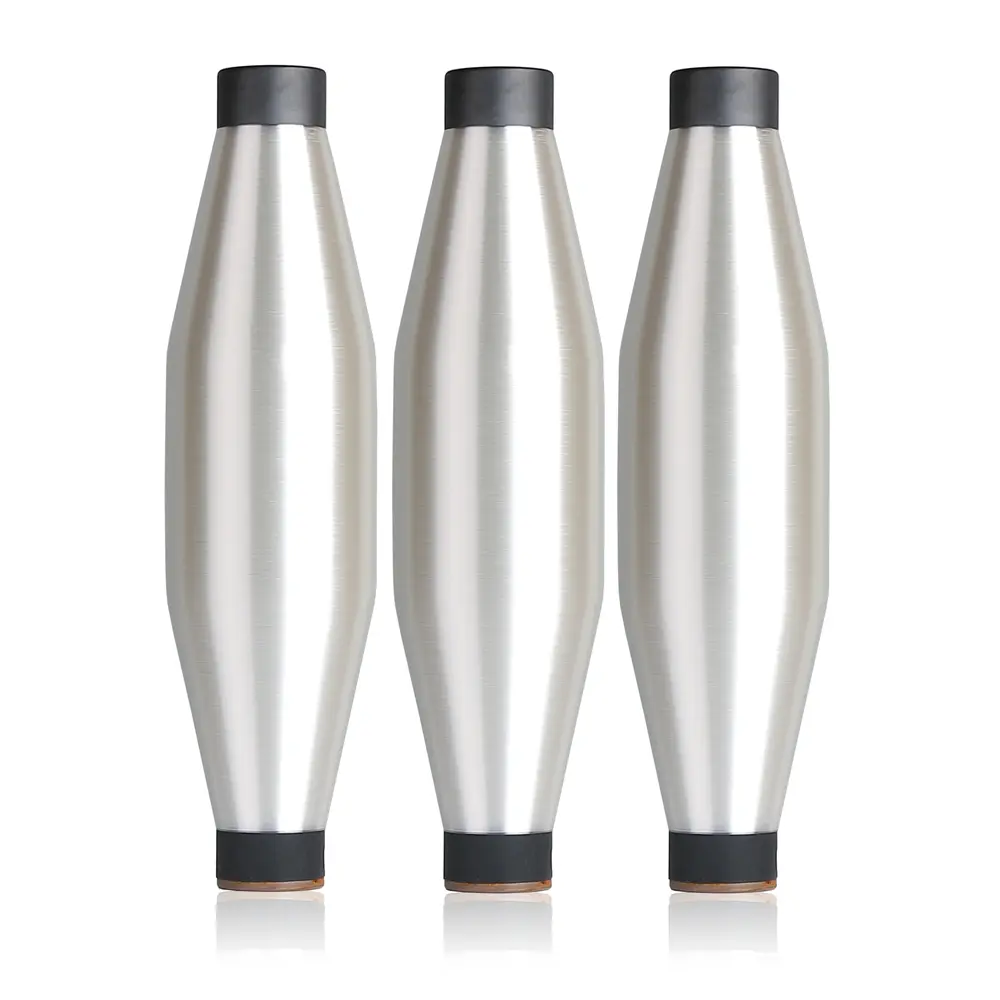
Understanding Why Hot Melt Yarn Storage Matters
Textile buyers, converters and factory production teams often overlook storage conditions for hot melt yarn (thermal fuse yarn), yet improper storage directly breaks down the core functionality of this specialized bonding filament. Unlike standard polyester or nylon yarn, hot melt yarn relies on precise polymer molecular structure to melt and form permanent fabric adhesion at target activation temperatures.
Excess heat, moisture, UV light or chemical exposure will irreversibly alter its melting point, reduce tensile strength, create bubbling/voids during thermal pressing, or cause uneven bonding across finished goods such as shoe uppers, woven webbing, lace and apparel linings. For bulk importers holding large inventory across multi-month production cycles, consistent storage standards eliminate costly waste, rework and production downtime.
Core Environmental Storage Parameters (Temperature & Humidity)
Temperature and humidity are the two most impactful variables for preserving hot melt yarn performance, with industry standardized ranges for all PA and PES low-melt filament grades.
Recommended Storage Temperature Range
- Optimal steady temperature: 15°C – 25°C (59°F – 77°F)
- Acceptable extended storage window: 10°C – 30°C (50°F – 86°F)
- Hard limit threshold: Never store long-term above 35°C or below 5°C
- Risks of out-of-range temperatures:
- High heat (>30°C): Accelerates polymer aging, softens filament surface, lowers activation melting point prematurely, leading to sticking cones during winding
- Extreme cold (<5°C): Fibers become rigid and brittle, increasing breakage during warping, knitting and weaving
Controlled Humidity Standards
Hot melt yarn is highly hygroscopic, especially bio-based PA11 hot melt variants, which rapidly absorb ambient moisture.
- Target relative humidity (RH): 40% – 55%
- Maximum safe RH ceiling: 60%
- Consequences of high humidity (>60% RH): Trapped water inside fiber creates steam bubbles during heat bonding, weakens peel strength, promotes mold growth on yarn cones and cartons
- Consequences of overly dry air (<35% RH): Static buildup causes tangling, yarn fraying and winding defects on production machinery
Quick Control Tips
- Equip storage zones with digital hygrometers to track daily fluctuations
- Place rechargeable silica gel desiccant packs inside sealed cartons for ocean freight or humid warehouse regions
- Use dehumidifiers for facilities in tropical, coastal high-moisture climates
Light & UV Protection Rules for Hot Melt Filaments
All hot melt polymer formulations degrade under prolonged ultraviolet radiation from sunlight or overhead industrial UV lighting.
- Store all yarn cartons away from windows, skylights and direct outdoor light
- Avoid placing racks under unfiltered fluorescent lighting with high UV output
- Keep original opaque foil-lined packaging intact; clear plastic retail wrapping must be replaced with light-blocking bags for long-term stock
- For partial open cones, cover exposed yarn with thick black PE film overnight or during production downtime
UV damage signs include faded yarn color, reduced elasticity and inconsistent melt flow during thermal lamination.
Proper Packaging & Sealing Protocols for Unopened & Opened Cones
Original factory packaging is engineered to lock out moisture, dust and light—breaking this seal without corrective measures shortens shelf life dramatically.
Unopened Full Cartons
- Maintain factory vacuum-sealed aluminum foil inner bags with included desiccants
- Do not tear or puncture outer carton barrier layers until ready for immediate use
- Retain batch labels, production date and melt grade marking on carton exteriors for stock tracking
Partially Used Opened Yarn Cones
- Wrap single cones tightly with thick moisture-proof PE stretch film to fully cover exposed filament
- Place wrapped cones inside airtight plastic bins or resealable foil zip bags with fresh desiccant
- Seal containers completely after removing required yarn each shift
- Consume partially opened stock within 30 days to prevent cumulative moisture absorption
Repackaging Guidelines for Bulk Inventory Relocation
If transferring yarn to secondary storage bins, avoid thin transparent plastic containers. Select opaque, airtight HDPE bins with rubber gaskets, and add 2–3 desiccant packs per standard yarn carton volume.
Warehouse Layout & Stacking Best Practices
Mechanical damage from improper stacking distorts yarn cones, creates tangles and crushes filament layers, ruining spool uniformity for high-speed knitting equipment.
- Stack cartons on raised plastic pallets (minimum 10cm off concrete floors) to avoid ground moisture condensation
- Follow weight stacking limits: Max 4 carton layers tall to prevent bottom cone deformation
- Separate hot melt yarn storage zones from heavy raw material stacks, metal hardware and sharp machinery parts
- Maintain 50cm clearance between storage racks and heating pipes, steam vents, radiators or warehouse doorways with temperature swings
- Leave central aisle ventilation space to prevent stagnant humid air buildup inside storage sections
Chemical & Contamination Risks to Avoid
Hot melt polymers react negatively with solvents, acidic vapors and oily residues, which permanently ruin adhesive bonding capacity.
- No co-storage with printing inks, fabric dyes, cleaning solvents, adhesives, lubricants or corrosive industrial chemicals
- Isolate hot melt yarn from rubber, plastic additives and raw leather materials that release volatile fumes
- Keep storage areas swept free of textile dust, metal shavings and oil drips from nearby production lines
- Restrict forklift traffic from spilling fuels or hydraulic fluids near yarn rack zones
Even minor chemical vapor exposure can create invisible surface contamination that causes incomplete fabric fusion during thermal processing.
Signs of Degradation: How to Spot Damaged Hot Melt Yarn
Regular quarterly inventory inspections prevent defective batches from entering production workflows. Discard any cones showing these markers of poor storage:
- Visible mold, discoloration or dark spots on yarn surface
- Brittle, easily broken filaments when lightly pulled
- Sticky, fused yarn layers that cannot unwind smoothly
- Strong unusual chemical or mildew odor when opening packaging
- Excess moisture condensation inside sealed foil bags
- Severe cone deformation from heavy stacking pressure
Degraded hot melt yarn cannot be restored through drying or reprocessing and will produce inconsistent, low-strength finished textile products.
Shelf Life Management & Stock Rotation System
Shelf life varies based on polymer grade and storage stability, following a strict first-in, first-out (FIFO) rotation rule for all buyers managing ongoing inventory.
表格
| Hot Melt Yarn Type | Optimal Shelf Life (Under Perfect Storage) | Maximum Allowable Storage Period |
|---|---|---|
| PES Polyester Hot Melt Filament | 12–18 months | 24 months |
| PA Co-polyamide Hot Melt (85°C–130°C) | 12–24 months | 30 months |
| 100% Bio-based PA11 Hot Melt Yarn | 12–20 months | 24 months |
Inventory Rotation Steps
- Label every carton with production date, melt temperature grade and FIFO priority marker
- Place newly delivered stock at the back of storage racks; older batches at front for immediate access
- Flag stock approaching maximum shelf life 60 days before expiration for priority production scheduling
- Record inspection dates for all long-term inventory batches in sourcing tracking logs
Transportation-to-Warehouse Transition Storage Tips
Global buyers receiving sea freight shipments face unique humidity and temperature shifts during transit—transition storage prevents moisture shock damage.
- Upon container arrival, move sealed cartons directly into climate-controlled storage; do not leave outside loading docks overnight
- Allow cartons to acclimate to warehouse temperature for 12–24 hours before opening foil packaging to stop condensation from forming on cold yarn cones
- Inspect all packaging for water damage, torn foil or punctured desiccant bags before transferring to long-term racks
- For air freight shipments with rapid altitude/temperature changes, extend acclimation time to 36 hours for high-humidity destination warehouses
Common Storage Mistakes That Ruin Thermal Bond Results
These frequently overlooked errors create consistent production quality issues for textile manufacturers worldwide:
- Leaving opened yarn cones uncovered overnight, exposed to workshop humidity and dust
- Storing cartons directly on concrete floors without pallets, drawing ground moisture into packaging
- Stacking cartons adjacent to warehouse heaters, steam pipes or exterior sun-facing walls
- Reusing saturated, discolored silica gel desiccant without recharging or replacement
- Mixing hot melt yarn with solvent-based raw materials in shared storage rooms
- Ignoring FIFO rotation and using expired stock first for large order runs
- Using clear plastic bins with zero UV protection for long-term inventory holding
- Allowing extreme daily temperature swings in uninsulated warehouse facilities
FAQs for Global Textile Sourcing Buyers
Q1: Can I store hot melt yarn in cold climate warehouses during winter?
A: Yes, as long as ambient temperature never drops below 5°C and temperature swings are limited to less than ±5°C daily. Unheated warehouses with sub-zero temperatures will make filaments brittle, causing high breakage rates during knitting. Temporary space heaters can stabilize storage zones to hit the 10°C minimum threshold.
Q2: How do I recharge saturated silica gel desiccant packs for reuse?
A: Spread silica gel on baking trays and bake at 120°C (248°F) for 60–90 minutes until moisture indicator beads return to their original blue/orange color. Cool fully before placing back into yarn packaging to avoid residual heat damage.
Q3: Is drying damaged, moisture-absorbed hot melt yarn a viable fix?
A: Minor surface moisture can be removed via low-temperature oven drying (40°C for 2–4 hours). If yarn has absorbed moisture for over 30 days, polymer molecular damage is permanent, and bonding performance will remain inconsistent even after drying.
Q4: Does different melt point hot melt yarn require separate storage zones?
A: Segregated rack storage is recommended for low-melt (85°C) and high-melt (130°C) variants to avoid cross-contamination during picking, but identical environmental temperature/humidity rules apply to all grades.
Q5: What storage adjustments are needed for tropical high-humidity importing regions?
A: Double desiccant quantities inside cartons, install continuous dehumidification systems to hold RH below 50%, use fully sealed foil-lined export cartons, and limit open cone exposure to under 8 hours per workday.
Conclusion
Effective hot melt yarn storage is a foundational cost-saving practice for textile importers, production managers and sourcing teams. Maintaining stable temperature (15°C–25°C), controlled humidity (40%–55%), full light/chemical protection and strict FIFO stock rotation directly preserves the yarn’s core thermal bonding properties, eliminating production defects, raw material waste and delayed order fulfillment.
By implementing the layered packaging, warehouse layout and inspection protocols outlined above, buyers can reliably extend hot melt yarn shelf life to the full manufacturer-recommended window and deliver consistent high-quality finished textiles across shoe, apparel, lace and industrial webbing applications.
Post time: Jul-27-2026