
How to Negotiate Price with Hot Melt Yarn Manufacturers
For global buyers sourcing hot melt yarn, negotiating a fair, stable price is essential to protect margins, ensure consistent quality, and build long-term supply partnerships. Hot melt yarn—including low-melting nylon, polyester, and bio-based performance yarns—plays a critical role in textiles, footwear, underwear, lace, automotive interiors, and industrial webbings. Price is rarely fixed; it depends on order volume, material specifications, delivery terms, and production capacity. This guide shares practical, buyer-focused strategies to negotiate confidently with hot melt yarn manufacturers, secure better pricing, and avoid common pitfalls.
Table of Contents
[Why Price Negotiation Matters for Hot Melt Yarn Buyers]
[Key Factors That Determine Hot Melt Yarn Pricing]
[7 Step-by-Step Negotiation Strategies for Buyers]
[Negotiation Checklist: What to Confirm Before Closing]
[How to Maintain Long-Term Pricing Stability]
[FAQs About Negotiating Hot Melt Yarn Prices]
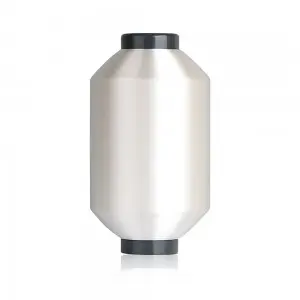
Why Price Negotiation Matters for Hot Melt Yarn Buyers
Hot melt yarn is a functional material where performance and cost directly affect your end product. A small per-kilogram price difference can significantly impact total production cost, especially for bulk orders. Many buyers accept first offers without negotiation, leaving savings on the table. Effective negotiation helps you:
- Lower unit cost without sacrificing quality
- Lock in stable pricing amid raw material fluctuations
- Improve payment terms and delivery speed
- Build transparent, reliable supplier relationships
- Gain a competitive edge in your market
Unlike consumer goods, industrial yarn pricing reflects production cost, raw material trends, order scale, and technical customization. Negotiation is not about pushing prices down blindly—it is about reaching a win‑win structure that works for both buyer and manufacturer.
Key Factors That Determine Hot Melt Yarn Pricing
To negotiate effectively, you must understand what drives costs. Manufacturers base quotes on these core elements:
表格
| Factor | Impact on Price | Buyer’s Leverage |
|---|---|---|
| Raw material type (nylon, polyester, bio-based PA11) | Higher-performance resins cost more | Clarify specs; avoid over-specified materials |
| Denier, filament, DTY/FDY/POY structure | Finer or specialized yarn raises cost | Standardize specifications to reduce cost |
| Order quantity & batch size | Larger volumes lower unit cost | Combine orders; forecast long-term demand |
| Color, customization, and special treatments | Dyeing, flame-retardant, low-melt add cost | Use standard colors; limit custom processes |
| Lead time & delivery location | Urgent orders or remote shipping cost more | Plan ahead; use consolidated shipping |
| Certifications (OEKO‑TEX®, RoHS, ISO) | Certified yarn carries premium | Use certified suppliers for full value |
Understanding these factors lets you negotiate logically, not emotionally.
7 Step-by-Step Negotiation Strategies for Buyers
1. Research Market Prices First
Before contacting suppliers, benchmark current market prices for your desired yarn type. Review recent quotes, compare 3–5 reliable manufacturers, and note price ranges. This prevents you from overpaying and gives you data to support your target price.
2. Clarify Your Precise Specifications
Vague requirements lead to higher quotes. Provide exact details:
- Yarn type: nylon low melt, polyester low melt, bio-based PA11
- Structure: FDY, DTY, POY
- Denier and filament: e.g., 70D/24F, 150D/48F
- Application: sewing, weaving, knitting, bonding, footwear
- Color, melting point, strength, and certification needs
Clear specs help manufacturers quote accurately and avoid hidden charges.
3. Use Volume to Unlock Lower Unit Prices
Manufacturers prioritize large, stable orders. You can:
- Combine multiple items into one order
- Commit to quarterly or annual forecast volumes
- Agree to repeat orders in exchange for tiered pricing
Larger scale reduces setup cost, raw material unit cost, and production time—all of which support lower prices.
4. Negotiate Beyond Unit Price: Total Value
Smart buyers expand the conversation beyond per-kilo price. Better terms can save you more than a small price cut:
- Extended payment terms (e.g., net 30, net 45)
- Waived sample fees or reduced sampling cost
- Free reprocessing if quality issues occur
- Priority production during peak seasons
- Fixed pricing for 6–12 months to hedge raw material swings
Frame negotiation around total cost of ownership, not just unit price.
5. Compare Multiple Suppliers to Create Fair Competition
You gain stronger leverage when suppliers know you have options. Request detailed quotes from several qualified manufacturers and use legitimate comparisons to encourage better offers. Avoid unprofessional lowballing; focus on realistic market alignment.
6. Understand the Manufacturer’s Cost Structure
Polite, informed questions help you identify flexibility:
- What is the raw material share of total cost?
- How do order size and setup cost affect pricing?
- Can we adjust specs to lower cost without losing performance?
Manufacturers are more willing to compromise when they see you understand their constraints.
7. Aim for Long-Term Partnership, Not One‑Off Win
Suppliers reserve their best pricing and service for loyal customers. Signal commitment by:
- Sharing realistic demand forecasts
- Accepting reasonable lead times
- Making timely payments
- Providing clear feedback
Long-term collaboration often leads to exclusive pricing, priority support, and co-development opportunities.
Negotiation Checklist: What to Confirm Before Closing
Use this checklist to avoid misunderstandings and hidden costs:
- Final unit price per kilogram
- Minimum order quantity (MOQ)
- Accurate specifications (denier, filament, melting point, color)
- Lead time from order confirmation to shipment
- Payment terms and currency
- Shipping terms (EXW, FOB, CIF, etc.)
- Quality standards and testing methods
- Certification availability (OEKO‑TEX, ISO, etc.)
- Price validity period
- Liability for defects or delays
Put all agreements in writing to protect both sides.
How to Maintain Long-Term Pricing Stability
Raw material prices fluctuate, but you can stabilize your costs:
- Sign 6‑ or 12‑month fixed-price contracts
- Build a strategic partnership with 1–2 core suppliers
- Monitor polymer and oil market trends
- Order strategically before expected price increases
- Standardize specifications to reduce customization cost
Stable pricing improves budgeting, planning, and profit predictability.
FAQs About Negotiating Hot Melt Yarn Prices
Q: What is the best way to ask for a lower price without offending suppliers?
A: Focus on data and mutual benefit. For example: “Based on our annual volume and market benchmarks, could you review the price to support our long-term collaboration?”
Q: How can I get a better price for small orders?
A: Ask for mixed batches, combine items, accept standard colors, or agree to longer lead times. Some suppliers offer adjusted pricing for trial or small-batch orders.
Q: Do certified yarns (like OEKO‑TEX) cost more? Can I still negotiate?
A: Certified yarn usually has a small premium, but you can negotiate based on volume, long-term commitment, or simplified specifications. Many certified suppliers offer competitive rates for loyal buyers.
Q: How far in advance should I place orders for better pricing?
A: 15–30 days lead time typically supports better pricing and production stability. Urgent orders often include rush fees.
Q: Should I focus on the cheapest supplier?
A: No. Prioritize stable quality, on-time delivery, certifications, and reliable service. A low-price supplier with inconsistent quality can cost more in rework, delays, and lost business.
Conclusion
Negotiating with hot melt yarn manufacturers is not about winning a price battle—it is about building a transparent, sustainable partnership that supports your business goals. By preparing clear specifications, understanding cost drivers, using volume wisely, and focusing on total value, you can secure fair pricing, consistent quality, and reliable supply.
Post time: May-13-2026