
Hot Melt Yarn vs Adhesive Film: Which Bonding Material Fits Your Textile Production?
Table of Contents
- Understanding Hot Melt Bonding Core Basics
- Core Structure & Working Principle: Hot Melt Yarn VS Adhesive Film
- Production Process & Line Efficiency Comparison
- Mechanical Performance, Hand Feel & Durability
- Cost Breakdown: Raw Material vs Full Lifecycle Expense
- Ideal Application Scenarios for Each Material
- Sustainability & Recycling Compliance
- Key Sourcing Checklist for Global Procurement Teams
- Frequently Asked Sourcing Questions
- Final Conclusion & Sourcing Recommendations
Understanding Hot Melt Bonding Core Basics
Textile manufacturers across apparel, footwear, automotive interior and home textile sectors are gradually phasing out liquid glue and traditional stitching, turning to two mainstream heat-activated bonding solutions: hot melt yarn and hot melt adhesive film. Both materials rely on controlled heat and pressure to form permanent bonds between fabric layers, yet their structural design, processing workflow and terminal product performance differ drastically.
For procurement managers, choosing between the two directly impacts production throughput, finished product quality, labor overhead, export compliance and long-term customer return rates. Many buyers only compare raw material unit prices while ignoring hidden costs like extra processing equipment, defective product scrap and post-wear failure complaints. This guide breaks down every critical dimension from a global factory sourcing perspective to help you make objective, production-aligned purchasing decisions.
Core Shared Characteristics
- No liquid solvent, low VOC emissions, compliant with REACH, OEKO-TEX and RoHS global textile standards
- Heat-triggered adhesion: bonding forms once material reaches designated melting temperature and solidifies upon cooling
- Eliminates thick, scratch-prone stitching lines for seamless finished surfaces
- Customizable melting temperature grades to match different fabric heat resistance
Core Structure & Working Principle: Hot Melt Yarn VS Adhesive Film
Hot Melt Yarn
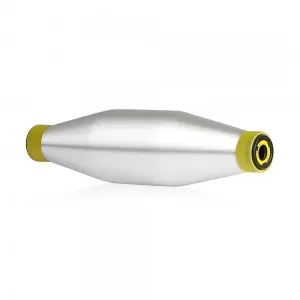
Hot melt yarn is thermoplastic filament yarn (TPU, PA, PES as mainstream raw materials) that doubles as both textile structural fiber and bonding medium. It can be woven, knitted or embroidered together with base fabrics during front-end textile forming. When the semi-finished fabric goes through post-production hot pressing or hot air treatment, the yarn melts locally and fuses adjacent fabric layers into an integrated whole.


Hot Melt Yarn Spools
Key structural traits:
- Integrated inside fabric weave structure, no independent extra bonding layer attached to fabric surface
- Available in monofilament and multifilament specifications, fine denier (20D-75D) for lightweight apparel, thick denier (100D-150D) for shoe upper structural bonding
- Melting point customizable from 85°C to 160°C for heat-sensitive thin fabrics and high-temperature resistant industrial textiles
Adhesive Film
Hot melt adhesive film is flat roll-shaped thermoplastic film with or without release paper, categorized into TPU, PA, EVA and PES series by raw material composition. It is a standalone auxiliary material used in the post-lamination stage only: operators place the film flat between two fabric layers, then apply uniform heat and pressure via flatbed laminators to melt the film and stick fabrics together.
Key structural traits:
- Independent surface bonding layer added after fabric production, exists as a separate middle membrane between two fabrics
- Classified into solid dense film and breathable mesh film; dense film offers superior waterproof performance while mesh film retains partial air permeability
- Fixed sheet roll width requires precise cutting and alignment during manual or semi-automatic placement
Production Process & Line Efficiency Comparison
Production workflow differences create the biggest gap in factory hourly output and labor input.
Hot Melt Yarn Workflow
- Weave/knit hot melt yarn together with base fabric in one single front-end process
- Directly enter continuous hot air or calender heat treatment on existing fabric finishing lines
- One-step integrated bonding without extra material placement or alignment steps
Efficiency Advantages:
- Fully compatible with high-speed continuous automatic production lines, no batch discontinuous operation limits
- Eliminates manual film laying, trimming and positioning links, cutting labor input by 30%-50% in mass production
- Low wrinkling, offset and misalignment defects; finished product rejection rate reduced by 0.5%-1.5%
Adhesive Film Workflow
- Complete fabric weaving/knitting first as separate semi-finished goods
- Extra cutting station to trim adhesive film to matching fabric size
- Manual or semi-automatic placement of film between fabric layers, strict alignment required
- Batch lamination via flatbed press (discontinuous cycle operation, limited single batch output)
Efficiency Limitations:
- Additional dedicated laminating equipment investment required for full-scale production
- High scrap risk from film overhang, wrinkling, offset during placement; leftover film generates consistent raw material waste
- Slow cycle speed unsuitable for ultra-high-volume continuous orders (100,000+ unit monthly output)
表格
| Item | Hot Melt Yarn | Adhesive Film |
|---|---|---|
| Production Steps | Integrated single-stage processing | Multi-step separate post-lamination |
| Line Compatibility | Continuous high-speed automatic lines | Batch flatbed press, semi-automatic only |
| Labor Demand | Low, minimal manual intervention | High, dedicated workers for film positioning |
| Material Scrap Rate | Below 1% | 3%-7% from trimming & misalignment |
Mechanical Performance, Hand Feel & Durability
This section covers terminal product experience indicators that determine customer reorder rates, especially critical for stretch sportswear, active underwear and flexible shoe uppers.
Elasticity & Flex Fatigue Resistance
- Hot Melt Yarn: Bonding points distribute evenly within the fabric weave structure. TPU-grade hot melt yarn retains synchronous stretch matching elastic fabrics; after thousands of repeated bending and stretching cycles, no cracking or delamination at bonding seams, ideal for high-movement products like yoga wear, running shoe uppers and swimwear.
- Adhesive Film: Forms a rigid flat adhesive layer between fabrics. Under frequent stretching, the film layer generates internal stress, prone to cracking and edge peeling; mismatched elasticity restricts fabric stretch range, creating stiff hard lines on finished garments.
Hand Feel & Breathability
- Hot Melt Yarn: Melts and fills tiny weave gaps without forming an integral blocking layer, preserving the original soft drape and air permeability of base fabrics, no hard thick lines on contact skin surfaces.
- Adhesive Film: Dense solid film fully blocks air circulation, resulting in stuffy, stiff hand feel; mesh film improves breathability but sacrifices partial peel strength.
Wash & Abrasion Durability
PA and TPU hot melt yarn bonding maintains stable peel strength after 50+ standard industrial washing cycles, resisting daily friction abrasion without seam separation. Adhesive film lamination shows gradual strength attenuation after 20-30 washes, with edge lifting common on frequently rubbed areas like shoe collars and garment cuffs.
Cost Breakdown: Raw Material vs Full Lifecycle Expense
Most procurement teams only compare per-kilogram raw material prices, but total ownership cost over the full production cycle delivers the real profit impact.
表格
| Cost Factor | Hot Melt Yarn | Adhesive Film |
|---|---|---|
| Base Raw Material Unit Price | Moderately higher per kg | Lower per kg roll price |
| Labor Operating Cost | Low, fewer stations & workers | High, dedicated lamination operators |
| Equipment Investment | Utilizes existing fabric finishing lines, no extra machines | Requires purchasing flatbed laminators, cutting equipment |
| Scrap & Waste Loss | Minimal residual waste | High leftover film trimming waste |
| After-sale Defect Cost | Low delamination/peeling complaint rate | Higher long-term wear failure return costs |
| Total Full Lifecycle Cost (High Volume Orders) | 5%-8% lower per finished unit | Higher overall comprehensive cost |
For small-batch, low-output orders under 10,000 units monthly, adhesive film’s lower upfront raw material cost gains a temporary advantage. For mass continuous production above 50,000 units monthly, hot melt yarn delivers superior long-term cost efficiency despite higher single-unit material pricing.
Ideal Application Scenarios for Each Material
Best Fit for Hot Melt Yarn
- Seamless stretch sportswear, high-elastic underwear, swimwear and active apparel
- Knitted shoe uppers, flyknit sneakers, sock shoe layered bonding
- Automotive seat fabrics, headliner interior continuous lamination
- Webbing, elastic band, lace integrated seamless processing
- High-volume automated mass production with continuous fabric lines
- Premium soft-touch consumer goods requiring long wash durability
Best Fit for Adhesive Film
- Rigid non-stretch fabrics: suit lining, non-woven carpet backing, furniture decorative panels
- Low-batch custom small orders with discontinuous manual production
- Products requiring full waterproof sealing (dense TPU film outdoor rain gear)
- Simple flat single-layer composite without repeated stretching use
- Manual small workshop production without automated textile weaving lines
Sustainability & Recycling Compliance
Global apparel and automotive brands now enforce strict circular economy and single-material recycling standards, creating a clear gap between the two materials.
- Hot Melt Yarn: Integrated into the base textile fiber system, uses compatible thermoplastic materials matching polyester/nylon fabrics. No foreign separate membrane layer mixed into textiles during recycling, supporting mono-material recyclable fabric development, easily meets brand ESG carbon reduction targets with lower overall carbon footprint than adhesive film processes. Bio-based PA11 hot melt yarn further cuts production carbon emissions by over 50% compared to petroleum-based adhesive film.
- Adhesive Film: Adds an independent foreign polymer layer between fabrics. Mixed composite structure complicates fiber separation during recycling, raising processing costs and limiting circular textile qualification; certain EVA film grades produce trace volatile residues during thermal processing.
Key Sourcing Checklist for Global Procurement Teams
When Sourcing Hot Melt Yarn
- Confirm melting point grade matches your fabric heat resistance (85°C thin fabric / 120°C+ structural bonding)
- Select denier specification based on product softness demand: 20D-75D for lightweight apparel, 100D+ for shoe structural layers
- Verify OEKO-TEX, REACH, RoHS certification for cross-border export compliance
- Request sample weaving and wash test matching your factory’s hot pressing temperature parameters
- Confirm supplier’s ability to customize color and melting point for proprietary production lines
When Sourcing Adhesive Film
- Choose dense solid film for waterproof requirements, mesh film for breathability demand
- Match film raw material (TPU/PA/PES) to your base fabric composition for stable peel strength
- Calculate required roll width to minimize trimming waste during lamination
- Test high-frequency washing cycles to validate long-term bonding stability
- Account for extra laminating machine operating costs in overall order budgeting
Frequently Asked Sourcing Questions
Q1: Does hot melt yarn require full factory production line renovation?
A: No. Hot melt yarn integrates into existing weaving/knitting looms; standard fabric hot calender or hot air finishing equipment can complete bonding activation without purchasing new specialized lamination machines, unlike adhesive film which needs independent flatbed press equipment.
Q2: Can adhesive film be used for stretch seamless sportswear?
A: Not recommended for high-elastic frequent movement products. The rigid film layer cannot synchronize fabric stretching, leading to cracking, peeling and stiff uncomfortable seams after repeated wear. TPU hot melt yarn remains the standard material for seamless stretch apparel.
Q3: Which material has better eco-friendly performance for EU brand export orders?
A: Hot melt yarn, especially bio-based PA11 grades. Its integrated fiber structure supports textile recycling, reduces auxiliary chemical use and carbon output, fully aligning with EU circular textile regulations, while multi-layer adhesive composite film faces stricter recycling limit checks at European customs.
Q4: For small-batch custom garment factories, which option delivers better ROI?
A: Adhesive film suits small-batch discontinuous production. Factories without large automatic looms can directly laminate finished fabrics with film without modifying front-end weaving processes, avoiding minimum order quantity limits for customized hot melt yarn weaving.
Final Conclusion & Sourcing Recommendations
Hot melt yarn and adhesive film are not mutually superior alternatives; the optimal choice hinges on your factory’s production scale, product elasticity demand, equipment layout and brand sustainability requirements.
- Select hot melt yarn if your core business covers high-volume stretch sportswear, flyknit footwear, automotive textiles, automated continuous production or eco-certified recyclable apparel lines — it delivers better long-term durability, production efficiency and comprehensive lifecycle cost savings.
- Select adhesive film if you produce rigid non-stretch fabrics, small custom batch orders, fully waterproof flat composite products or operate manual small-scale workshops without automated textile looms — its low upfront raw material cost offers short-term operational convenience.
Before placing bulk orders with any supplier, complete matching sample production and industrial washing testing with your actual fabric substrates to validate bonding strength, hand feel and long-term stability, eliminating mass production quality risks.
Post time: Aug-03-2026