
Hot Melt Yarn for Curtain Fabric: The Game-Changing Fiber for Premium Home Textile Production
Introduction
Curtain fabric manufacturers and home textile sourcing buyers consistently face three core pain points: poor drape retention after repeated washing, unsightly bulky seams on finished panels, and rising costs from chemical setting agents and liquid adhesives. Traditional finishing and stitching methods compromise both product aesthetics and long-term durability, while stricter global eco-regulations limit the use of VOC-heavy bonding chemicals.
Hot melt yarn (also referred to as low-melting thermal fuse yarn) delivers a sustainable, cost-effective solution tailored exclusively for curtain production. Blended directly into woven or knitted curtain base fabrics, this specialty fiber creates permanent thermal bonding upon controlled heat setting, eliminating glue, reducing sewing steps, and elevating the visual and functional performance of residential, hotel, and commercial curtain lines. This guide breaks down everything sourcing managers, fabric mill operators, and curtain manufacturers need to know about integrating hot melt yarn into curtain fabric production.
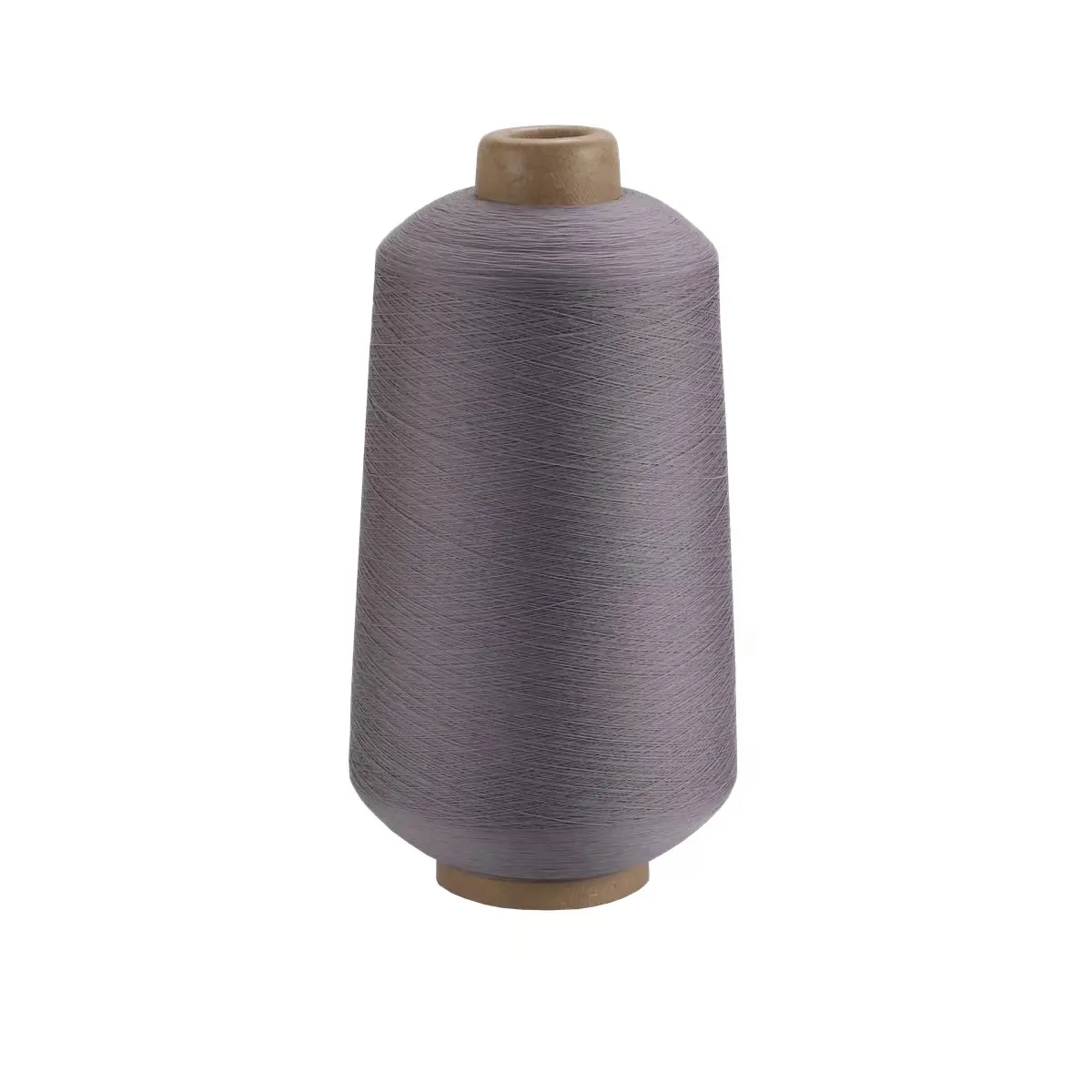
What Is Hot Melt Yarn for Curtain Applications?
Hot melt yarn is a thermoplastic filament engineered with a customized low melting point, available in two primary base variants for curtain production: polyester hot melt yarn and nylon low-melt hot melt yarn. Unlike standard textile fibers, the yarn softens and forms a flexible adhesive bond when exposed to moderate heat (110°C–160°C, depending on yarn grade), then solidifies as fabric cools to lock fiber structures together permanently.
For curtain fabric development, manufacturers typically blend 10%–15% hot melt yarn with conventional base fibers (polyester, linen, viscose, blackout coated polyester) during weaving or knitting. The filament integrates seamlessly into the fabric structure without altering the base material’s natural hand feel, texture, or color performance. Two core yarn constructions dominate curtain-grade stock:
- Full-melt hot melt yarn: Complete filament melting for full fabric stabilization, ideal for lightweight sheer, voile, and printed decorative curtains
- Sheath-core hot melt yarn: Low-melt outer layer with high-tenacity standard fiber core, optimized for heavy blackout, hotel drape, and multi-layer composite curtain fabrics
Core Advantages of Hot Melt Yarn in Curtain Fabric Manufacturing
1. Permanent, Wash-Resistant Drape & Shape Retention
A top consumer complaint for standard curtains is wrinkling, curling hems, and lost fluid drape after laundering or prolonged sunlight exposure. Conventional fabric setting relies on temporary chemical sprays that break down after 2–3 washes, requiring costly re-finishing for bulk orders.
When hot melt yarn is activated during heat setting, cross-fiber thermal bonds lock the fabric’s weave geometry in place. Industry testing confirms drape performance improves by over 40% post-processing, with a drape coefficient above 0.8 that remains consistent after 50+ standard wash cycles. Hotel-grade blackout curtains blended with nylon hot melt yarn maintain smooth vertical hanging for years without sagging or edge curling, even in high-humidity coastal climates.
2. Invisible Seamless Bonding for Premium Aesthetics
Heavy curtain panels, bay window drapes, and wide-width decorative fabrics require fabric splicing to reach commercial dimensions. Traditional sewing creates raised, stiff seam lines that disrupt the curtain’s flowing silhouette, while liquid glue leaves yellow stains, unpleasant odors, and brittle joints prone to cracking under tension.
Hot melt yarn enables seamless splicing and hem finishing without visible stitching or adhesive residue. Manufacturers layer hot melt filament between two fabric edges, run through flat heat press equipment, and achieve a flat, flexible joint that matches the base fabric’s softness. The thermal bond holds strong under the weight of dense blackout and velvet curtain materials, eliminating post-production seam repair labor and reducing fabric waste from flawed stitched panels.
3. Streamlined Production & Lower Overall Operational Costs
Integrating hot melt yarn cuts multiple processing steps from curtain fabric manufacturing workflows:
- Removes separate chemical setting, fabric stiffening, and liquid adhesive application stages
- Reduces sewing labor for hems, seams, and edge locking by up to 35%
- Cuts energy consumption vs. high-temperature permanent press finishing cycles
- Minimizes defective finished goods from glue discoloration or broken stitching
For large-volume curtain mills, the combined savings on chemical inputs, labor, and rework offset the marginal raw material cost of hot melt yarn, delivering net cost reduction per finished meter of fabric. The yarn also works seamlessly with existing standard heat setting machinery, eliminating the need for full production line overhauls.
4. Eco-Friendly Compliance for Global Export Markets
International home textile buyers now enforce strict restrictions on VOC emissions, formaldehyde, and toxic chemical residues in soft furnishings, particularly EU REACH, OEKO-TEX Standard 100, and North American indoor air quality standards. Liquid fabric adhesives and setting sprays release volatile compounds that fail third-party certification testing.
Hot melt yarn is a 100% solvent-free bonding alternative, producing zero harmful fumes during heat activation. Curtain fabrics blended with thermal fuse yarn easily pass OEKO-TEX and RoHS testing, removing barriers to export to European, North American, and Australian retail and hospitality clients. The fiber also supports circular textile workflows, as bonded curtain fabrics can be recycled without separating residual glue layers.
5. Versatile Compatibility With All Curtain Fabric Types
Hot melt yarn is formulated to pair with every mainstream curtain base material, supporting full product line diversification for fabric suppliers:
- Sheer & voile curtains (polyester base): Lightweight full-melt yarn preserves translucent softness while preventing fraying edges
- Linen-blend decorative curtains: Nylon hot melt locks natural linen weave without stiffening the organic texture
- Blackout coated commercial curtains: Sheath-core hot melt stabilizes layered coating and fabric to stop peeling
- Printed jacquard & velvet luxury drapes: Low-temperature melt grades protect sensitive fabric dyes from heat fading
- Outdoor sun-resistant patio curtains: UV-stabilized hot melt variants retain bonding strength under long sun exposure
Side-by-Side Comparison: Hot Melt Yarn vs. Traditional Curtain Finishing Methods
表格
| Performance Metric | Curtain Fabric With Hot Melt Yarn | Sewing + Chemical Glue Finishing | Spray-On Fabric Setting Agents |
|---|---|---|---|
| Seam Appearance | Smooth, invisible, fabric-matching flat joints | Raised, bulky stitch lines | Visible hard glue marks at fabric joins |
| Wash Durability | Permanent shape retention after 50+ washes | Stitches fray, glue cracks after 10 washes | Drape effect fades after 2–3 washes |
| Production Labor Time | 30–35% less sewing & finishing labor | Full hemming, splicing, glue application required | Extra spray, drying, and curing stages |
| Eco-Certification Compatibility | Meets OEKO-TEX, REACH, RoHS standards | High VOC glue fails indoor textile regulations | Formaldehyde & VOC residues limit export |
| Fabric Hand Feel | Soft, natural drape, no stiff sections | Stiff seams disrupt fabric flow | Chemical coating creates rigid, scratchy texture |
| Long-Term Hanging Stability | Resists sagging, curling, UV degradation | Seams pull apart under heavy fabric weight | Edges curl after prolonged sunlight exposure |
Best Practices for Using Hot Melt Yarn in Curtain Fabric Production
1. Select the Correct Yarn Grade Based on Fabric Weight
- Lightweight sheer/voile curtains (50–120gsm): 50D–70D full-melt polyester hot melt yarn, melting point 110°C
- Mid-weight printed linen/polyester drapes (120–250gsm): 70D–100D nylon hot melt yarn, melting point 130°C
- Heavy blackout/hotel commercial curtains (250gsm+): 100D–150D sheath-core hot melt yarn, melting point 150–160°C
2. Optimize Blend Ratio for Balanced Performance
A 10%–15% hot melt yarn blend into the warp or weft delivers ideal stabilization without sacrificing fabric softness. Blends above 20% risk slight fabric stiffness, while ratios below 8% fail to deliver permanent drape retention. Fabric mills can adjust the percentage based on client requirements for ultra-soft sheer vs. rigid commercial blackout materials.
3. Standardize Heat Setting Parameters
Consistent temperature and dwell time are critical for uniform thermal bonding:
- Polyester hot melt blends: 130°C–140°C, 15–20 second heat press dwell
- Nylon low-melt hot melt blends: 140°C–160°C, 10–15 second heat press dwell
Avoid overheating, which can scorch curtain dyes or create overly rigid fabric sections.
4. Color Matching Options for End-Product Flexibility
Curtain manufacturers can source hot melt yarn in semi-dull white, black, and custom dyed colors to match base fabric tones. White filament is the most versatile for light, pastel, and printed curtain fabrics, while black hot melt is preferred for dark blackout and heavy hotel drape lines.
Key End Market Applications for Hot Melt Yarn Curtain Fabrics
Hospitality & Hotel Textiles
Commercial hotel curtains demand consistent wrinkle resistance, seamless panel construction, and long service life with frequent laundering. Hot melt yarn-blended blackout curtain fabrics reduce hotel laundry maintenance costs and deliver uniform, high-end visual presentation for guest rooms, conference halls, and resort lobbies.
Residential Luxury Home Furnishings
Premium interior designers prioritize smooth, stitch-free curtain panels with natural fluid drape for high-end residential projects. Hot melt yarn eliminates unsightly hem stitching and temporary chemical stiffeners, creating luxury drapery that maintains its finished look for years with minimal care.
Contract & Commercial Interior Projects
Office buildings, retail spaces, and medical facilities require compliant low-VOC soft furnishings to meet commercial building air quality codes. Hot melt yarn curtain fabrics satisfy global green building standards, while stable bonding prevents fabric wear from constant daily opening and closing.
Outdoor & Patio Curtain Lines
UV-stabilized hot melt yarn variants resist outdoor sun degradation, preventing fabric edge fraying and drape loss on waterproof patio curtain fabrics. Thermal bonding eliminates glue breakdown caused by rain and humidity fluctuations.
Sourcing Tips for Curtain-Grade Hot Melt Yarn
For fabric mills and curtain manufacturers sourcing bulk thermal fuse yarn, prioritize suppliers that offer:
- Customizable melting points, denier counts, and color matching tailored to curtain fabric weights
- Full third-party certification (OEKO-TEX, RoHS, ISO quality management) for export-ready raw materials
- Stable bulk order lead times and consistent batch-to-batch filament uniformity to avoid fabric production defects
- Technical support for heat setting parameter calibration and optimal fiber blend ratios for curtain-specific weaves
- Low minimum order quantities for small-batch luxury curtain fabric trial runs
Conclusion
Hot melt yarn has redefined the manufacturing standard for modern curtain fabrics, solving longstanding pain points around durability, aesthetics, production efficiency, and global eco-compliance. By replacing chemical setting agents and traditional stitching glue with clean thermal bonding, fabric suppliers and curtain producers can deliver higher-value finished products while cutting operational overhead and expanding export market eligibility.
Post time: Jul-20-2026