
Hot Melt Yarn Applications in Automotive Interior Textiles
Table of Contents
- Understanding Automotive Interior Textile Requirements
- What Makes Hot Melt Yarn Suitable for Automotive Interiors
- Core Application Scenarios for Hot Melt Yarn in Car Interiors
- Hot Melt Yarn vs. Traditional Bonding Solutions
- Key Performance Metrics and Industry Compliance Standards
- Practical Procurement & Production Tips for Buyers
- Common Challenges and Mitigation Strategies
- Future Trends for Hot Melt Yarn in Automotive Textiles
- FAQs
- Conclusion
- Related Posts
Car interior textiles must strike a difficult balance: visual quality, long‑term durability, passenger safety, and strict environmental requirements. Anyone sourcing or producing automotive upholstery knows how challenging it can be to meet OEM specifications while keeping manufacturing workflows efficient.
Traditional joining methods including liquid glue and mechanical stitching have long been industry staples, yet they carry well‑documented drawbacks such as high VOC output, seam fatigue, extra labor steps, and risk of delamination over vehicle service life. More material specifiers and component manufacturers are turning toward hot melt yarn as an alternative thermal bonding solution.
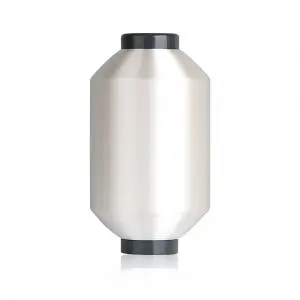
Hot melt yarn, also known as low‑melting fusible yarn, fuses layers together under controlled heat and pressure without extra liquid adhesives. Once activated, it forms flexible, stable bonds that fit the demanding conditions inside modern passenger vehicles. This article breaks down its real‑world uses, performance trade‑offs, compliance considerations, and practical advice for procurement and production teams.
Understanding Automotive Interior Textile Requirements
Automotive cabin textiles operate under extreme, fluctuating conditions. Interiors can swing from well below freezing in winter up to 80‑120°C when parked in direct sunlight. Materials must resist repeated bending, friction, aging, and vibration across years of vehicle operation.
Beyond mechanical durability, global automotive regulations enforce strict rules for cabin air quality, fire safety, weight reduction, and end‑of‑life recyclability. The core expectations for interior textile components cover these key areas:
- Thermal and weather stability: Maintain bond integrity from‑40°C up to sustained high‑temperature aging cycles; no brittleness, bubbling, or layer separation.
- Low‑emission cabin safety: Minimal volatile organic compounds, low odor, and low fogging to satisfy ISO 12219‑3 and regional vehicle interior air‑quality rules.
- Mechanical performance: Good abrasion resistance, peel strength, and flex resistance for seats, door panels, carpets and headliners.
- Flame retardancy: Meet standards such as FMVSS 302 for North American market access.
- Light‑weighting: Support overall vehicle mass reduction goals for fuel efficiency and EV driving range.
- Circular compliance: Improved recyclability to satisfy ELV end‑of‑vehicle directives across European and other markets.
Many conventional bonding approaches struggle to satisfy all these boxes at once. Adhesives often produce odor and fogging; stitching creates stress points and limits seamless surface design. That gap creates growing adoption opportunities for hot‑melt yarn solutions.
What Makes Hot Melt Yarn Suitable for Automotive Interiors
Hot melt yarn is a thermoplastic filament engineered to melt at defined temperature ranges. It can be woven, knitted, or mixed within non‑woven substrates. During lamination or thermoforming processes, targeted heat triggers melting. Upon cooling, it creates distributed bonding points between fabric, foam, non‑woven, or rigid substrate surfaces.
Unlike glue applied as a surface coating, bonding occurs within the textile structure itself. This delivers several material‑level benefits relevant to automotive use:
- Elimination of liquid adhesive: Removes solvent‑related emissions, curing waiting‑time, and risks of adhesive overflow on complex curved parts.
- Distributed bond structure: Instead of discrete stitch holes or spot glue lines, bonding spreads across the material surface, lowering local stress concentrations.
- Tunable flexibility: By adjusting polymer type and yarn specification, finished laminates can remain soft and supple rather than turning rigid and board‑like.
- Processing compatibility: Bonds form within standard thermoforming and hot‑press cycles, fitting into existing automotive textile production workflows.
- Material compatibility: Formulations based on PA, PET, TPU allow matching to different base fabrics and foam types used within cabins.
Different polymer grades serve different use‑cases. Polyamide‑based hot melt yarn is widely selected for interior parts needing strong low‑temperature toughness. PET‑based grades offer good thermal stability for headliner and acoustic non‑woven assemblies. TPU variants deliver higher elasticity for seating multi‑layer laminates.
Core Application Scenarios for Hot Melt Yarn in Car Interiors
Seat Upholstery and Multi‑Layer Seat Lamination
Seat fabrics combine decorative face fabric, foam padding, and backing substrates. Historically these layers were glued or stitched together. Hot melt yarn integrated during fabric production enables thermal lamination of these stacks in one hot‑press step.
Seamless quilting patterns can be achieved without visible stitching holes. This improves surface aesthetics while boosting abrasion performance in Martindale cycle testing. Manufacturers report measurable production gains: no glue curing hold periods, and reduced rework from delamination failures. Bond strength can consistently exceed typical industry peel‑strength benchmarks for seat assemblies.
For EV seating applications, lightweight targets are easier to hit, as composite stacks avoid adding heavy glue layers.
Door Panels, Dashboard Trims and Molded Interior Components
Door panel textiles, pillar trims, and decorative dashboard textiles require fabric or non‑woven to adhere firmly to rigid PP or ABS substrates during thermoforming. Hot melt yarn within the textile backing creates uniform adhesion over complex curved geometries.
It reduces common defects: adhesive squeeze‑out, inconsistent bonding on deep draw areas, and fogging linked to spray glues. Precision thermal bonding maintains fine surface details on ambient‑light trim and decorative cabin inserts, supporting higher‑end interior finishes.
Headliners and Acoustic Insulation Assemblies
Vehicle headliners are multi‑material composites combining decorative fabric, foam layers, sound‑absorbing non‑wovens, and reinforcing substrates. Hot melt yarn laminates these material stacks in a single thermal cycle.
Beyond structural bonding, it helps hold acoustic mat materials in position against body panels under continuous road vibration. PA and PET hot‑melt yarn options support flame‑retardant grade requirements for overhead interior components, while cutting overall VOC levels of the finished assembly significantly.
Automotive Carpets and Molded Floor Mats
Automotive floor carpets and 3D molded floor mats face heavy foot traffic, staining, and temperature swings. Hot melt yarn bonds carpet face yarns to backing layers, or attaches non‑slip substrate materials during thermo‑molding.
The technology supports single‑step molding for complex‑shape floor components. Manufacturers can also incorporate higher recycled‑content feed‑stocks, aligning with sustainability requirements for modern vehicle platforms, including many new‑energy vehicle models.
Additional niche interior uses
Other growing implementations include trunk lining non‑wovens, interior storage compartment textiles, and textile components around EV cabin thermal‑management parts. In each case the core value lies in glue‑free lamination, stable long‑term bonding, and lower cabin emissions.
Hot Melt Yarn vs. Traditional Bonding Solutions
| Bonding Method | Surface Quality | VOC & Odor Risk | Production Speed | Durability / Aging | Recyclability | Automation Suitability |
|---|---|---|---|---|---|---|
| Hot Melt Yarn | Seamless, smooth surface | Very low | Fast, no curing wait | Good thermal‑cycle stability | Excellent (no glue residue) | Very high |
| Liquid Spray Adhesive | Risk of overflow, uneven coating | High | Slow; requires curing time | Risk of brittling at low temperature | Poor, glue contaminates fractions | Medium |
| Mechanical Stitching | Visible stitch lines and holes | None | Medium‑slow, labor‑intensive | Stress‑concentrated seam failure risk | Good | Limited |
When comparing total cost of ownership, buyers should look beyond raw‑material per‑kilogram pricing. Hot‑melt yarn may carry higher input material cost, but it can cut rework rates, eliminate glue‑handling steps, shorten cycle times and lower long‑term warranty returns caused by delamination or odor complaints.
Key Performance Metrics and Industry Compliance Standards
When specifying hot melt yarn for automotive projects, procurement and engineering teams should reference these core parameters and corresponding global standards:
- Thermal performance: Melt activation temperature, post‑bond heat‑distortion resistance, and performance after accelerated aging testing such as SAE J2380 high‑temperature exposure cycles.
- Peel / bond strength: Measured for your exact multi‑material stack under both room and extreme temperature conditions. Generic datasheet values are helpful, but lab testing with your own substrates is critical.
- Emission testing: Conformance against ISO 12219‑3 for vehicle interior air quality, plus project‑specific odor and fogging requirements.
- Flame retardancy: FMVSS 302 for North America and relevant regional fire‑safety specifications.
- Chemical compliance: REACH, RoHS, OEKO‑TEX and other restricted‑substance lists according to target sales markets.
- Mechanical properties: Abrasion resistance, flex‑cycling performance to simulate years of in‑vehicle use.
Important note: Yarn performance numbers on supplier datasheets represent baseline material properties. Real‑world laminate performance depends heavily on your fabric blend, foam grade, exact hot‑press temperature, pressure and dwell‑time settings.
Practical Procurement & Production Tips for Buyers
Many project set‑backs stem from skipping small but critical validation steps before full‑scale orders. These best‑practice points are for textile converters, interior component buyers and material specifiers:
- Match yarn polymer chemistry to your substrate materials. Nylon‑base hot‑melt yarn bonds best with polyamide textiles; PET‑grade pairs better with polyester‑dominant fabrics. Mismatched polymer families lead to weak peel strength after aging.
- Confirm the correct melting‑point grade for your production process. Higher‑melting‑point variants (160‑180°C range) are typical for automotive interiors so bonds do not soften again under high cabin heat exposure. Lower‑melting grades risk re‑softening in‑service, even if they work well in initial lab trials.
- Always conduct sample validation with your actual production equipment. Request material samples and run full lamination trials on your own hot‑press or thermoforming line. Test finished samples through temperature cycling, peel‑strength, odor and aging tests before placing bulk purchase orders.
- Clarify certification requirements with your supplier up‑front. Share your target market compliance checklists (REACH, FMVSS 302 etc.) so the supplier can provide corresponding test reports.
- Align process parameters carefully: Successful bonding needs the correct combination of temperature, pressure and dwell‑time. Simply reaching the yarn’s nominal melt temperature is often not enough for reliable automotive‑grade bonds.
- Assess supplier technical support capacity. Automotive textile applications require collaborative material tuning. Prefer partners able to offer application‑engineering support beyond just shipping yarn reels.
Common Challenges and Mitigation Strategies
No material solution is without trade‑offs. Understanding typical pain‑points helps buyers set realistic expectations and avoid project delays:
- Challenge 1: Inconsistent bonding across complex 3D molded parts Mitigation: Fine‑tune heat distribution during thermoforming. Adjust dwell‑time for deep‑draw zones. Validate bond strength at multiple positions across the finished component.
- Challenge 2: Bond weakens after long‑term thermal aging Mitigation: Do not rely only on room‑temperature peel test results. Run accelerated aging test cycles representative of real‑vehicle cabin conditions. Select appropriate high‑heat‑resistant yarn grades.
- Challenge 3: Process equipment requires minor adjustments Mitigation: Existing hot‑press lines can usually adapt, but operators need training on new temperature‑pressure windows. Plan small pilot production batches before full‑volume ramp‑up.
- Challenge 4: Higher raw‑material cost compared to standard sewing thread Mitigation: Perform full total‑cost analysis, factoring savings in glue consumables, labor, rework, and reduced quality‑claim risks rather than evaluating yarn price alone.
Future Trends for Hot Melt Yarn in Automotive Textiles
Several market forces will drive expanded adoption of hot‑melt yarn within automotive interior supply chains:
- Strong EV‑driven lightweighting demand: Vehicle weight reduction to extend battery range pushes OEMs to replace heavy adhesive systems with textile‑integrated thermal bonding solutions.
- Tougher cabin‑air‑quality requirements: Regulators and end‑consumers keep raising expectations for low‑odor, low‑VOC vehicle interiors, putting pressure on traditional solvent‑based adhesive workflows.
- Circular economy and ELV directives: Glue‑free textile assemblies simplify material separation at vehicle end‑of‑life, making recyclability easier to achieve. Bio‑based hot‑melt yarn grades are emerging for sustainable‑focused vehicle programs.
- Growing adoption of seamless interior aesthetics: Automakers increasingly specify stitch‑free, smooth interior surfaces, favoring bonding technologies such as hot‑melt yarn over mechanical sewing.
- Advancements in composite interior components: New multi‑functional interior textiles combining acoustic, thermal‑insulation and decorative layers benefit from flexible thermal‑bonding yarn technology.
FAQs
What is hot melt yarn in automotive textiles?
Hot melt yarn is a thermoplastic fusible filament incorporated into fabrics and non‑wovens. Under heat and pressure it melts to create glue‑free, flexible bonding between multiple interior‑textile layers.
Can hot melt yarn fully replace glue for all automotive interior parts?
Not universally. It works excellently for fabric‑foam‑non‑woven laminates. Some rigid‑hard‑part assembly applications still require additional adhesive solutions. Each component needs individual feasibility testing.
Does hot‑melt yarn satisfy global automotive interior regulatory standards?
Qualified grades can meet FMVSS 302, ISO 12219‑3, REACH, RoHS and OEKO‑TEX requirements. Always request up‑to‑date test reports specific to the yarn grade you are sourcing.
How important are pilot sample trials before mass‑ordering?
Extremely important. Datasheet performance does not guarantee results on your unique material stack and production machinery. Sample testing and aging validation are standard industry best practice for automotive material procurement.
Is hot‑melt yarn more expensive than glue or sewing thread?
Raw‑material unit prices can be higher, yet overall project cost often improves when you count curing time, waste, rework and quality‑claim reduction. Total‑cost analysis is recommended for each project.
Conclusion
Hot melt yarn brings a compelling glue‑free thermal‑bonding alternative to automotive interior textile manufacturing. It addresses many long‑standing pain‑points of glues and stitching: high‑VOC emissions, stitch‑hole defects, curing delays, and delamination risks.
It finds proven practical use in seat laminates, door‑panel trims, headliners, acoustic assemblies, carpets and molded floor‑mat components. That said, material selection, process tuning and sample validation remain critical steps for buyers and manufacturers. No single material works for every interior application.
As vehicle lightweighting, cabin‑air‑quality and circular‑economy requirements grow stricter across the global automotive sector, hot‑melt yarn will continue gaining ground as a mainstream technical‑textile solution for next‑generation car interiors.
Post time: Sep-02-2026