Collaboration with European Underwear Wholesalers: Lightweight Low-Melting-Point Nylon Filament Enhances Wearing Experience
In the European underwear market, “comfort” is no longer just a basic requirement, but a core element determining brand competitiveness. According to a 2024 report by the European Textile Association, 72% of consumers prioritize “comfort-free wearing” when purchasing underwear, and this demand is forcing downstream underwear brands to accelerate material upgrades. For wholesalers, a key link in the supply chain, finding materials that combine lightweight, ease of processing, and quality stability has become crucial for capturing market share. The emergence of low-melting-point nylon filament provides the optimal solution for European underwear wholesalers to address this pain point.
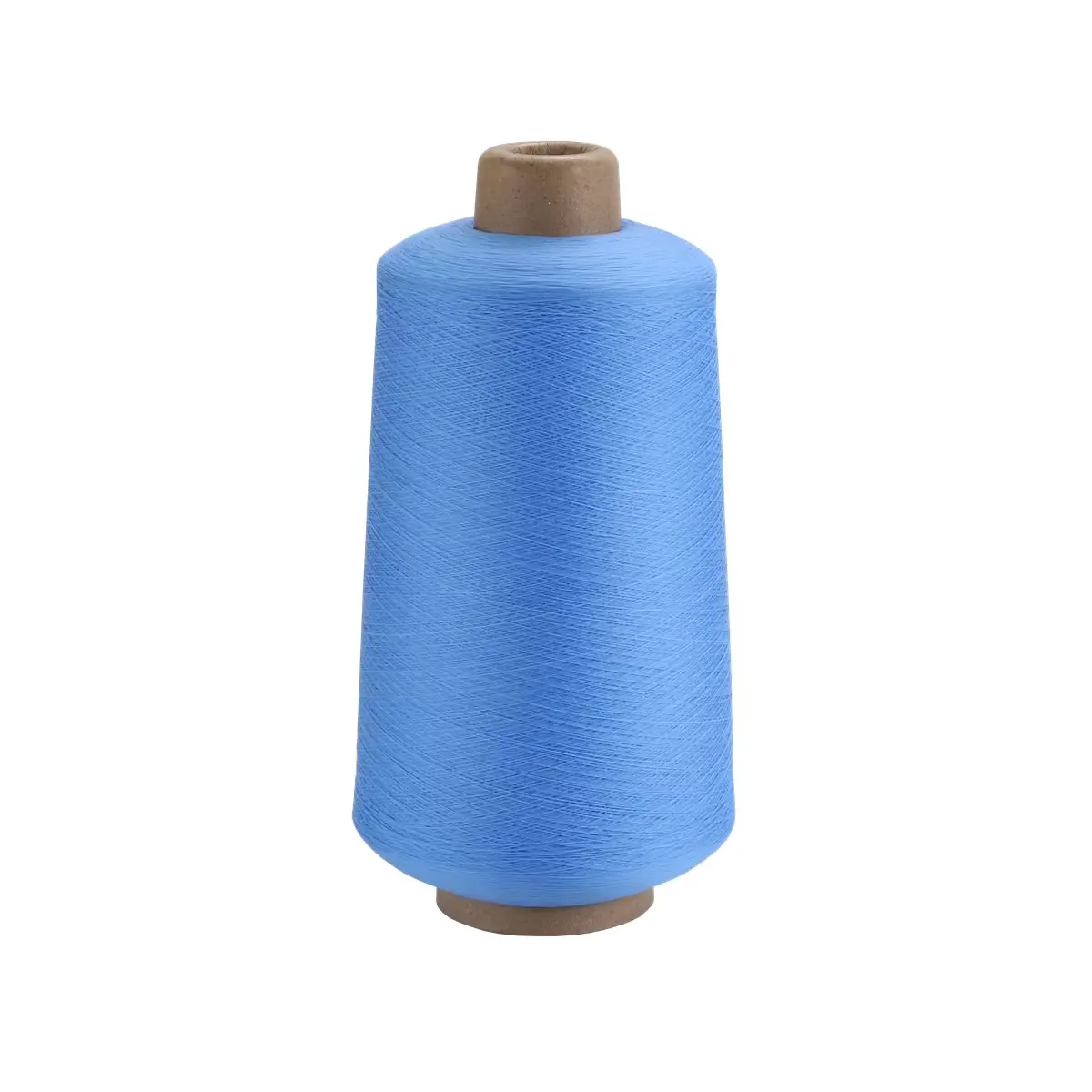
I. Understanding the Core Needs of European Underwear Wholesalers: From “Selling Products” to “Creating Experiences”
The maturity of the European underwear market dictates that wholesalers can no longer rely on the traditional model of “low price and high volume.” Through in-depth communication with over 20 leading lingerie wholesalers in Germany, France, Italy, and other countries, we discovered their core demands focus on three main dimensions:
**Consumer Experience First:** European consumers are extremely sensitive to the “feel” of lingerie. Lingerie made of traditional polyester or ordinary nylon, due to its relatively high weight (typically over 80g per bra), is prone to causing shoulder strap marks and chest tightness after prolonged wear, especially noticeable in commuting and sports settings.
**Need for Differentiated Competition:** Facing pressure from international brands like Zara Underwear and Calvin Klein, small and medium-sized lingerie brands urgently need to break through with differentiated selling points such as “lightweight” and “seamless,” and material innovation is the lowest-cost path to achieving this goal.
**Cost Reduction and Environmental Balance:** European environmental regulations (such as the EU REACH regulation) impose strict restrictions on harmful substances in textile materials. At the same time, wholesalers want to simplify processing procedures—traditional lingerie bonding relies on glue, which not only increases costs (glue costs account for 15% of processing fees) but may also leave residual odors, failing to meet consumers’ expectations for “natural and healthy” lingerie. The expectations are high.
The properties of low-melting-point nylon filament perfectly match these three demands, becoming a “value link” connecting material suppliers and underwear wholesalers.
II. Lightweight Revolution: How does low-melting-point nylon filament reshape the wearing experience?
The “heaviness” of traditional underwear stems from material density and structural design—ordinary nylon filament has a density of approximately 1.14 g/cm³, requiring multiple layers of fabric to achieve support; while low-melting-point nylon filament, through molecular structure optimization, achieves two major breakthroughs while maintaining strength:
1. 30% weight reduction, achieving “unfeeling” wear. The density of low-melting-point nylon filament can be reduced to 1.02 g/cm³, and the number of fabric layers can be reduced through a “monofilament replacing multifilament” design. Taking seamless bras, a mainstream product in the European market, as an example: Traditional solution: using ordinary nylon filaments + 3 layers of fabric, weighing approximately 75g per piece; Low melting point solution: using a single low melting point nylon filament + 2 layers of fabric, weighing only 52g per piece, a 30% reduction in weight. The direct benefit of this lightweight design is: no shoulder strap marks during an 8-hour daily commute, a snug fit that stays in place during exercise, and reduced stuffiness even in hot summer conditions – a consumer survey by a Dutch lingerie brand showed that products using low melting point nylon filaments had a 42% higher “wearing comfort” rating compared to traditional products. 2. Low Melting Point Simplifies Processing, Balancing Environmental Protection and Cost The melting point of low-melting-point nylon filaments can be precisely controlled between 110-130℃ (traditional nylon melting point is approximately 220℃). This characteristic brings a revolutionary change to underwear processing: No Glue Required: In areas requiring fixation, such as bra side wings and cup edges, low-melting-point nylon filaments can be fused to the fabric simply through low-temperature hot pressing (120℃/10 seconds), eliminating the traditional glue bonding step, increasing processing efficiency by 20%, and avoiding the odor and harmful substances left by glue residue; Reduced Waste Generation: The hot pressing bonding accuracy of low-melting-point nylon filaments reaches 98%, far exceeding the 85% of glue bonding, reducing waste rate by 13%, indirectly saving raw material costs for wholesalers; Compliant with EU Environmental Standards: Our low-melting-point nylon filaments have passed OEKO-TEX® Standard 100 certification, are free of formaldehyde, heavy metals, and other harmful substances, and fully meet EU REACH standards. The stringent regulations on textile materials eliminate concerns about import compliance risks.
III. Strong Technical Capabilities: Providing European Wholesalers with Stable and Reliable Quality Assurance
As a supplier specializing in nylon filament exports for 12 years, we deeply understand the extreme demands of European wholesalers for “quality stability”—insufficient strength or melting point fluctuations in underwear materials can lead to the scrapping of an entire batch of products, causing significant losses. To this end, we have established a comprehensive control system from production to testing:
1. Precise and Controllable Key Parameters
Melting Point Fluctuation Range ≤ ±3℃: Through the German Siemens temperature control system, the temperature during the spinning process is monitored in real time to ensure that the melting point of each batch of products is stable within the range of 110-130℃, avoiding hot-press bonding failure due to melting point deviation;
Tear Strength ≥ 4.5cN/dtex: Using imported PA66 raw materials and Japanese TMT spinning equipment, the tear strength of low-melting-point nylon filaments far exceeds the industry average (3.8cN/dtex), maintaining the support of the underwear even after multiple washes and extending the product’s lifespan;
Customized Fineness: We can provide products with different finenesses from 20D to 70D according to wholesaler needs, matching exclusive solutions for everything from lightweight lace underwear to supportive sports bras. 2. Stable Supply Chain Guarantee
We have three major production bases in Jiangsu and Zhejiang provinces, with a monthly capacity of 500 tons, capable of meeting the full-stage needs of European wholesalers from small-batch trial orders to large-scale mass production. Simultaneously, we cooperate with international logistics companies such as DHL and DB Schenker, ensuring delivery times from Chinese ports to major European warehouses (such as Duisburg, Germany, and Rotterdam, Netherlands) are controlled within 15-20 days, preventing supply chain disruptions from impacting wholesalers’ production plans.
IV. Empowering Partnership: More Than Just Material Supply, a “Market Partner” for Wholesalers
We understand that European lingerie wholesalers need more than just high-quality materials; they need comprehensive support to help them expand their markets. To this end, we offer three major cooperation guarantee services:
Customized Sample Service: For new wholesalers, we can provide 3-5 samples of low-melting-point nylon filaments with different parameters free of charge (including melting point test reports and environmental certification documents), and assist in connecting with lingerie factories for small-batch trial production to ensure products meet expectations;
Technical Support Team: Equipped with a 10-person professional technical team (including 2 engineers with over 10 years of experience in lingerie processing), we can solve technical problems such as heat pressing processes and fabric matching for wholesalers through video conferencing and on-site guidance;
Flexible Cooperation Policy: We support minimum order quantities of 500kg (to meet the trial order needs of small and medium-sized wholesalers), and long-term cooperative clients can enjoy a 5%-8% price discount, while also providing payment terms (up to 60 days) to alleviate the financial pressure on wholesalers. V. Case Study: Low-Melting-Point Nylon Filament Helps European Wholesalers Achieve Sales Breakthroughs
A German lingerie wholesaler (specializing in mid-to-high-end women’s lingerie, with partner brands covering Germany, Austria, and Switzerland) faced two major challenges: first, traditional products, due to their high weight, had a consumer repurchase rate of only 35%; second, the adhesive bonding process frequently resulted in exceeding environmental standards, leading to multiple risks of seizure by EU customs. After partnering with us in 2023, the company achieved breakthroughs through the following solutions: Product Upgrade: Replacing ordinary nylon filaments in the bra fabric with 30D low-melting-point nylon filaments, reducing the weight of a single product from 82g to 57g. Simultaneously, eliminating adhesive bonding and adopting a 125℃ hot-pressing process; Market Validation: Launching the “Light Comfort” series of seamless bras, emphasizing “8 hours of pressure-free wear,” achieving 20,000 orders in the first month after launch, and increasing the repurchase rate to 68% within 3 months; Compliance Guarantee: After obtaining OEKO-TEX® certification, the product completely resolved EU environmental compliance issues, improving customs clearance efficiency by 40%. By 2024, the wholesaler’s “Light Comfort” series sales had exceeded 150,000 units, becoming its core profit-generating product, while also driving a 200% increase in nylon filament procurement for other product categories. Conclusion: Choosing Low-Melting-Point Nylon Filament: Seizing the “Lightweight” Opportunity in the European Underwear Market
In today’s increasingly competitive European underwear market, “lightweight” is no longer just an optional bonus, but an essential core competitiveness. As a supplier specializing in nylon filament exports, we not only provide high-quality low-melting-point nylon filament, but also strive to become a “long-term partner” for European underwear wholesalers through customized services, technical support, and flexible policies. If you are looking for nylon filament solutions that enhance product wearing experience, reduce processing costs, and meet EU environmental standards, please contact us through the following methods:
Website:https://www.zjoceanstar.com/ Inquiry: Click “European Customer Zone” on the homepage to obtain a customized cooperation plan; Email Communication: Send your requirements to info@zjoceanstar.com, and we will reply within 24 hours; Let’s join hands and leverage the lightweight advantages of low-melting-point nylon filament to create a new benchmark in the European underwear market!
Post time: Oct-31-2025