
Bulk Yarn Order Timeline Explained
Table of Contents
- Understanding Yarn Bulk Order Timing Basics
- Full Breakdown of Every Stage in Bulk Yarn Order Cycle
- Key Variables That Change Your Total Lead Time
- Standard Lead Time Comparison: Stock vs Custom PA11 / Thermal Fuse Yarn
- How to Optimize Your Schedule to Avoid Delays
- Advanced Planning Tips for Large Volume Yarn Buyers
- Frequently Asked Questions About Yarn Order Timelines
- Conclusion
Understanding Yarn Bulk Order Timing Basics
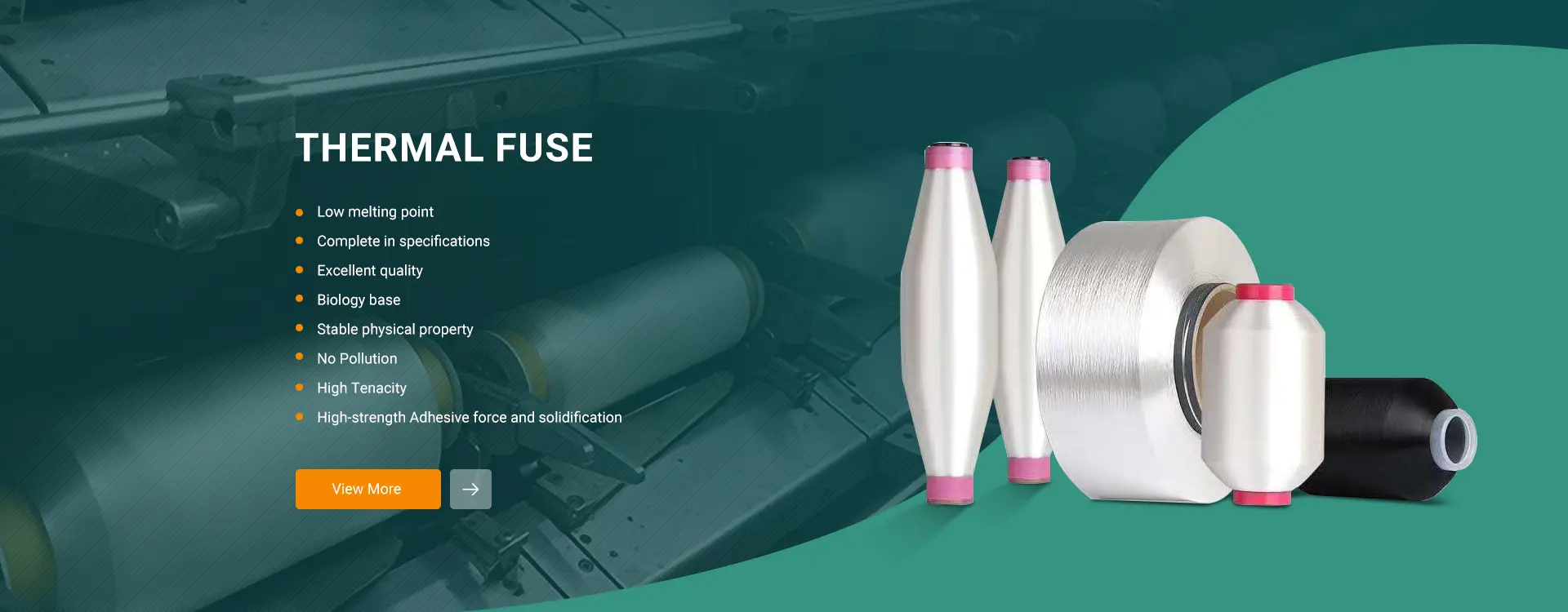
Full Breakdown of Every Stage in Bulk Yarn Order Cycle
Stage 1: RFQ, Spec Review & Sample Confirmation (3–10 Working Days)
- Inquiry & quotation review: Suppliers respond to detailed spec sheets (denier, filament count, melting point, Pantone color, certification requirements) within 24 hours. Pricing, MOQ and baseline lead times are formalized in a written quotation.
- Physical sample & lab dip production: Standard raw white sample cones ship in 3–5 days; custom dyed lab dips require an extra 3–5 days for color matching under D65 light sources.
- Buyer sample testing & approval: Your internal lab or third-party lab will run tenacity, shrinkage, melting point and color fastness tests. This review window typically takes 2–5 business days depending on your internal QA workflows.
Risk of skipping this stage: Mass production runs with incorrect denier, off-standard melting temperature or mismatched colors, leading to full order rework and multi-week delays.
Stage 2: Contract & Deposit Confirmation (1–3 Working Days)
- Finalize Incoterms (FOB port, CIF destination), payment terms, inspection standards and batch tolerance clauses.
- Complete deposit remittance and share bank slip with your yarn manufacturer. Factories only allocate production line capacity once funds are received.
Stage 3: Raw Material Sourcing & Line Scheduling (2–7 Working Days)
- Stock raw chips: Pre-stored nylon 6, PA11 bio-based slices and polyester chips cut this phase down to 2 days.
- Custom modified polymer (custom melting point thermal fuse yarn): Specialized bio-based raw material requires external sourcing, extending this phase to 5–7 days.
- Factory production queue: During peak textile seasons (pre-fall/winter apparel cycles), production lines may have a waiting queue of 3–4 extra days.
Stage 4: Core Production & Dyeing (10–22 Working Days)
- Spinning (POY/FDY): Extrusion and filament drawing for base yarn takes 4–7 days.
- Texturing (DTY processing): Stretch texturing for elastic knitting/weaving applications adds another 3–6 days.
- Custom dyeing & setting: Solid color dyeing, heat setting and anti-humidity treatment requires 3–9 days; multi-color mixed orders will extend dyeing time by 3–5 additional days.
- White undyed stock PA11 FDY: 10–12 total production days
- Custom dyed bio-based PA11 DTY large bulk: 18–22 total production days
Stage 5: In-House QC, Third-Party Inspection & Packaging (3–5 Working Days)
- Batch internal testing: Each production lot undergoes denier, tensile strength, melting point and moisture testing to match your spec sheet.
- Optional third-party pre-shipment inspection (SGS/OEKO-TEX compliance): Independent inspectors attend factory to audit cone weight, color consistency and packaging integrity (1–2 days on-site).
- Vacuum moisture-proof packaging & palletization: Low melting yarns and bio-based PA11 absorb ambient humidity easily, requiring sealed PE bags, desiccant packs and export cartons. Labeling, pallet wrapping and container loading preparation takes 2–3 days.
Stage 6: Documentation & Port Loading (1–3 Working Days)
Once documents are confirmed, goods are trucked to the container port and loaded into sea freight containers.
Stage 7: Ocean Transit & Destination Customs Clearance (20–45 Calendar Days)
- Southeast Asia ports: 20–28 days door-to-port
- European Union main ports: 30–38 days door-to-port
- North American west coast ports: 32–42 days door-to-port
- South America / Australia: 38–45 days door-to-port
Full End-to-End Total Lead Time Reference
- Stock white yarn repeat order (no new sampling): 35–55 total calendar days
- First-time custom dyed PA11 bulk order (full sampling + production + sea transit): 55–90 total calendar days
Key Variables That Change Your Total Lead Time
- Yarn Type & Customization
Ready stock undyed standard nylon 6 POY/FDY delivers fastest. Bio-based PA11 and custom melting thermal fuse yarns need longer raw material lead times. Custom Pantone color orders add 3–9 days for dyeing and color matching.
- Order Volume
Small bulk runs (500–2,000kg) fit into existing production batches with minimal queue wait. Multi-ton large orders require dedicated line allocation, sometimes adding 3–6 days of scheduling time.
- Peak Season Scheduling
Global textile sourcing peaks from March–June and September–November for holiday and seasonal apparel production. Factory queues lengthen by 5–10 working days during these windows.
- Shipping Selection
Sea freight is standard for bulk yarn, but air freight cuts transit time down to 5–10 days for rush orders at a significant cost premium.
- Third-Party Compliance Requirements
Mandatory pre-shipment inspection, GRS transaction certificates or extra textile safety testing add 2–4 working days to your cycle.
Standard Lead Time Comparison: Stock vs Custom PA11 / Thermal Fuse Yarn
| Yarn Category | Sampling Days | Production Days | Full End-to-End Lead Time (Sea Freight) |
|---|---|---|---|
| Stock white Nylon 6 POY/FDY | 0 (repeat order) | 10–12 | 35–50 days |
| Custom dyed standard nylon DTY | 5–7 | 14–18 | 50–68 days |
| Bio-based PA11 FDY/DTY (custom color) | 7–10 | 18–22 | 60–90 days |
| Low melting thermal fuse bonding yarn | 6–9 | 16–20 | 58–85 days |
How to Optimize Your Schedule to Avoid Delays
- Lock specifications 2–3 months before your production deadline
Submit complete spec sheets, Pantone color references and certification requirements early to eliminate back-and-forth technical revisions mid-cycle.
- Approve lab dips and physical samples 10+ days ahead of target production start
Rushing sample approval creates last-minute production schedule shifts that push delivery dates back.
- Place repeat orders in advance of peak sourcing seasons
Submit bulk purchase orders in January or July to avoid factory line queues during March–June and September–November.
- Bundle multi-color SKUs into single production batches
Separate small color lots require repeated dye line setup; consolidated color runs cut production time by 3–6 days.
- Finalize deposit payment immediately after sample sign-off
Factories cannot reserve production capacity without confirmed deposit receipts, creating unnecessary idle waiting time.
- Schedule pre-shipment inspection during final packaging
Coordinate third-party QA timelines to avoid holding finished goods waiting for inspectors after production completes.
Advanced Planning Tips for Large Volume Yarn Buyers
- Establish rolling 90-day procurement calendars aligned with your garment/weaving factory production schedules.
- Maintain safety stock of high-volume standard yarns to cover short-term demand spikes without triggering new full production cycles.
- Secure annual framework agreements with your yarn supplier to reserve fixed production line capacity, eliminating peak season queue delays.
- Split annual large orders into staggered production batches to spread manufacturing load and avoid single massive shipment bottlenecks.
- Coordinate with your freight forwarder to book container space 7–10 days before goods finish packaging, preventing warehouse storage delays at port.
Frequently Asked Questions About Yarn Order Timelines
Q: Can I shorten production lead time for an urgent bulk yarn order?
Q: Why do bio-based PA11 yarns have longer lead times than regular nylon 6?
Q: How much extra time should I budget for custom low melting thermal fuse yarn?
Q: What happens if I miss my sample approval deadline?
Q: Is air freight a viable rush solution for bulk yarn orders?
Conclusion
Post time: Jul-29-2026