
pH Value of Polyester Hot-Melt Yarn: A Key Indicator of Skin-Friendliness in Underwear
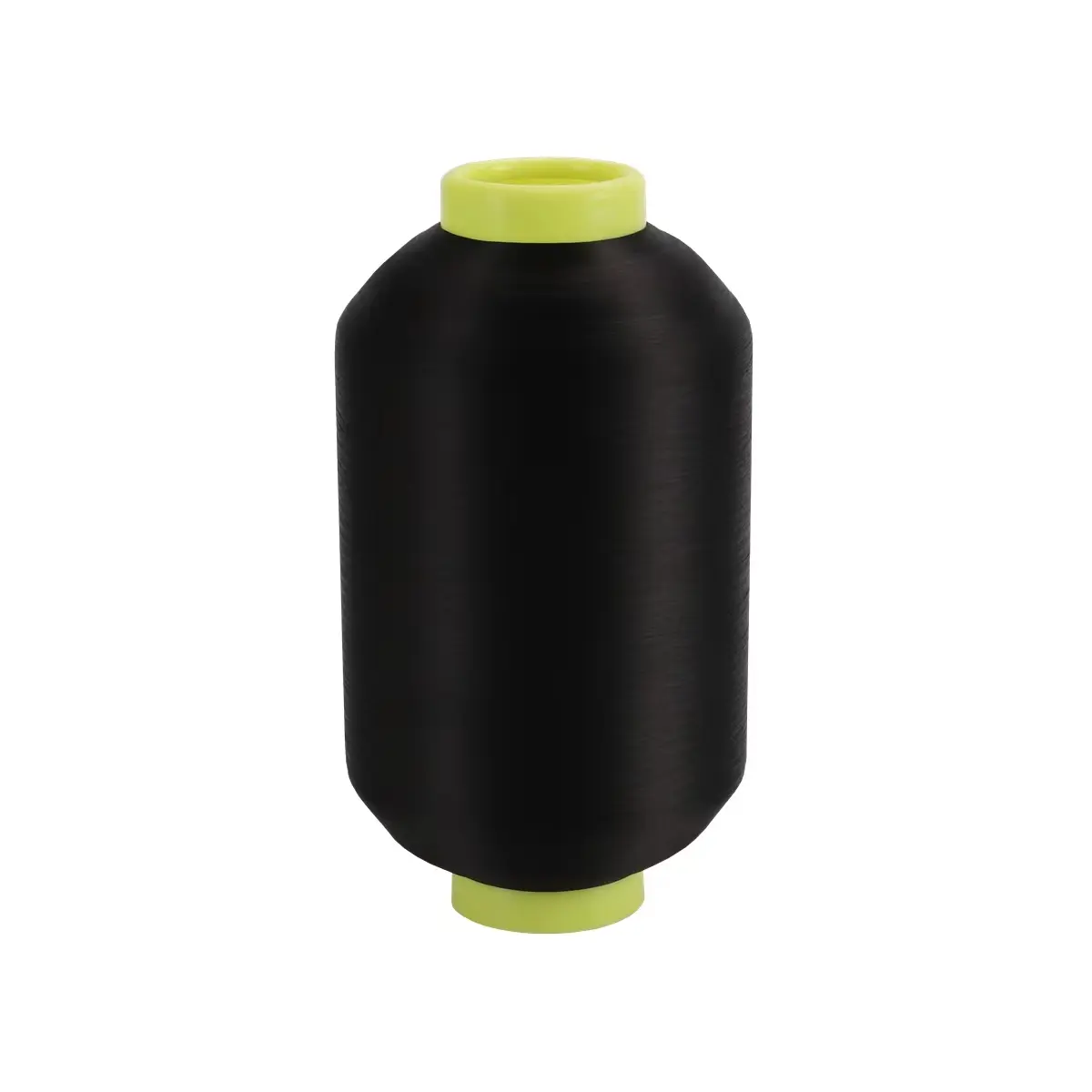
In the production of intimate apparel, the compatibility of the fabric with human skin is a core consideration. This compatibility relies on precise control of every detail of the textile raw materials. Polyester hot-melt yarn, as an important bonding and shaping material in underwear production, has a pH value that is not merely a physicochemical test result, but a key indicator directly related to skin-friendliness. It determines the comfort and safety of the finished underwear when in contact with human skin, and is also an important criterion for international textile buyers to select high-quality raw materials.
The normal pH value of human skin is slightly acidic, ranging from approximately 4.5 to 6.5. This slightly acidic environment is an important component of the skin barrier, inhibiting the growth of harmful microorganisms, maintaining the moisture balance of the stratum corneum, and protecting the skin from external irritants. When the pH value of intimate apparel deviates from this range, whether too acidic or too alkaline, it directly disrupts the skin’s pH balance. Overly alkaline fabrics dissolve the skin’s natural lipid barrier, leading to dryness, itching, and redness; prolonged contact may even trigger allergic dermatitis. Excessively acidic fabrics irritate the skin’s mucous membranes, similarly reducing the skin’s defenses and making it more susceptible to environmental damage.
While polyester hot-melt yarn is not the surface fabric directly in contact with the skin, it is a core auxiliary material in underwear manufacturing, enabling layered bonding and three-dimensional shaping. It is widely used in key areas such as shoulder straps, cup pads, side panels, and underbands, all of which are in close contact with the skin. If its pH value does not meet skin-friendly standards, even if the surface fabric has perfect specifications, it will affect the skin’s pH environment through contact conduction and sweat penetration, thus reducing the overall wearing experience and safety of the underwear. For underwear manufacturers pursuing high quality, controlling the pH value of polyester hot-melt yarn is a crucial step in creating skin-friendly underwear and a fundamental requirement for meeting international textile safety standards.
High-quality polyester hot melt yarn must strictly adhere to internationally recognized textile product safety standards in pH control, maintaining a stable pH value within the suitable range of 4.0-7.5, which aligns with the slightly acidic nature of human skin. Achieving this is not a simple post-production adjustment, but rather a process integrated throughout the entire polyester hot melt yarn production process: from the selection of raw materials, choosing high-purity, low-impurity polyester raw materials to avoid the influence of inherent acidity or alkalinity; to process control during melt spinning, precisely adjusting the spinning temperature and the pH of the cooling medium to minimize pH deviations during production; and finally, in the washing and finishing stages, using neutral and environmentally friendly finishing agents and employing scientific washing processes to neutralize free acidic and alkaline substances in the yarn, ensuring a stable and compliant pH value in the final product.
Besides its direct impact on skin friendliness, the pH stability of polyester hot melt yarn is also closely related to other yarn properties, indirectly ensuring the quality and lifespan of underwear. A pH level that meets standards effectively prevents hydrolysis and aging of yarn during storage and use, maintaining the stability, strength, and flexibility of its hot-melt bonding. This ensures that the bonded areas remain strong after multiple washes and wears, without delamination or deformation. Furthermore, the slightly acidic to neutral pH of polyester hot-melt yarn offers better compatibility with other textile materials. When bonded to commonly used underwear fabrics such as nylon, cotton, and modal, it does not compromise the original properties of the fabric due to acid-base reactions, thus preserving the overall texture and durability of the underwear.
In international textile trade, the pH level of polyester hot-melt yarn has become a crucial screening standard for buyers. Meeting skin-friendly pH requirements is a prerequisite for products entering the global mid-to-high-end underwear market. Whether it’s the EU’s OEKO-TEX Standard 100 or the textile product safety regulations of other countries and regions, all clearly stipulate the pH value of intimate apparel and related accessories, with the core purpose of protecting consumers’ skin health. For lingerie manufacturers, choosing polyester hot melt yarn with precise and controllable pH value that meets international standards is not only a requirement to meet product compliance, but also a key to building brand reputation and enhancing product market competitiveness. For polyester hot melt yarn manufacturers, adhering to strict pH value quality control standards is a responsibility to provide high-quality raw materials for downstream industries, and also an inevitable trend in the global textile industry to upgrade towards “health, environmental protection, and comfort”.
Post time: Mar-04-2026