
Nylon Hot Melt Yarn Factory vs Trading Company: Which to Choose
When sourcing nylon hot melt yarn for textiles, footwear, webbings, undergarments, lace, and industrial applications, one critical decision stands out: should you partner directly with a factory or work through a trading company? Both models serve different business needs, and choosing the right one directly impacts your cost, lead time, quality stability, customization capacity, and long-term supply security.
This guide breaks down the key differences, strengths, ideal use cases, and practical selection criteria to help you make a confident choice for your business.
Table of Contents
- Core Differences Between Nylon Hot Melt Yarn Factories and Trading Companies
- Advantages of Direct Sourcing from a Nylon Hot Melt Yarn Factory
- Advantages of Sourcing Through a Trading Company
- Head-to-Head Comparison Table
- Key Factors to Decide Which Option Suits You
- Conclusion: Making the Right Long-Term Choice
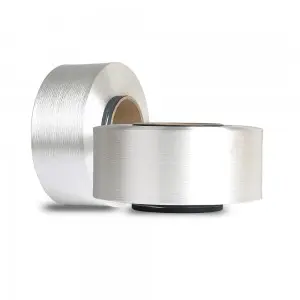
Core Differences Between Nylon Hot Melt Yarn Factories and Trading Companies
A nylon hot melt yarn factory controls the entire production chain: raw material preparation, spinning, texturizing, twisting, dyeing, quality inspection, and packaging. They own production lines, technical teams, R&D capabilities, and quality management systems.
A trading company acts as a middleman. They source finished goods from multiple factories, consolidate orders, handle documentation, and deliver to buyers. They do not operate production lines but focus on sales, logistics, and order coordination.
These structural differences create distinct advantages for buyers.
Advantages of Direct Sourcing from a Nylon Hot Melt Yarn Factory
1. Lower & More Stable Unit Cost
Working directly eliminates middleman margins. Factories offer better pricing for bulk orders, and you avoid markups that trading companies add for service and overhead. Long-term partnerships often include tiered pricing or volume discounts.
2. Full Customization Capability
Factories support tailored specifications including:
- Custom deniers (such as 20D, 40D, 70D, 150D)
- Custom melting points
- Modified tensile strength, softness, or color fastness
- Special performance for bonding, weaving, or sewing threads
- OEM/ODM development for unique applications
3. Strict & Traceable Quality Control
Manufacturers implement in-line testing, raw material inspection, and finished-product verification. Many hold certifications like ISO 9001, OEKO‑TEX® Standard 100, and SGS. You gain full batch traceability from raw material to shipment, which is essential for branded and regulated products.
4. Reliable Production & Lead Time Control
Factories manage their own schedules, equipment, and labor. They can prioritize your orders, adjust production plans, and provide realistic lead times. For repeat orders, consistency is far higher than with traders who rely on external production lines.
5. Strong Technical Support
In-house engineers and technicians help optimize yarn for your production process:
- Advice on weaving, knitting, or bonding parameters
- Troubleshooting fusing, yarn breakage, or dyeing issues
- Support for new material development
6. Long-Term Strategic Partnership
Direct factories become long-term supply partners. They invest in your success by improving quality, scaling capacity, and developing exclusive products as your business grows.
Advantages of Sourcing Through a Trading Company
1. Low Minimum Order Quantities (MOQs)
Traders consolidate orders from multiple buyers, making it easier to source small volumes. This benefits startups, test orders, or businesses with irregular demand.
2. Wide Product Portfolio
A single trader can offer yarns from multiple manufacturers, covering different specifications, materials, and price tiers. You save time comparing multiple factories.
3. Simplified Procurement & Logistics
Traders handle shipping, customs clearance, documentation, and warehousing. This reduces your administrative workload, especially for international buyers.
4. Lower Pre‑Order Risk
For buyers uncertain about quality or market fit, traders reduce upfront commitment. You can sample across sources without engaging multiple factories directly.
5. Flexible Payment & Service
Many trading companies offer more flexible payment terms and one‑stop service. They act as a single point of contact for order follow‑up, returns, and replacements.
Head-to-Head Comparison Table
| Comparison Item | Nylon Hot Melt Yarn Factory | Trading Company |
|---|---|---|
| Price Level | Lower, direct factory price | Higher, includes markup |
| MOQ Requirement | Higher, suited for bulk | Lower, supports small batches |
| Customization | Full customization supported | Limited, mostly standard items |
| Quality Control | In-house, traceable, consistent | Depends on source factory |
| Lead Time | Stable and adjustable | Uncertain, depends on suppliers |
| Technical Support | Strong, on-site engineering | Basic, limited problem-solving |
| Order Stability | High for long-term clients | Moderate, subject to supply |
| Suitable Buyer Type | Volume buyers, brands, manufacturers | Startups, small buyers, testers |
Key Factors to Decide Which Option Suits You
Choose a direct factory if:
- You place regular, medium-to-large orders
- You need custom specifications or performance properties
- Quality consistency and certification compliance are critical
- You value technical support and long-term supply stability
- You want to reduce long-term procurement costs
Choose a trading company if:
- You need small orders or test runs
- You prefer low MOQs and flexible terms
- You want a wide, mixed product selection
- You prioritize simple logistics and minimal admin
- You are still evaluating suppliers and materials
Conclusion: Making the Right Long-Term Choice
For businesses focused on sustainable growth, stable quality, and cost efficiency, direct partnership with a professional nylon hot melt yarn factory delivers stronger long-term value. Full control over production, customization, technical support, and cost structure creates a reliable foundation for scaling.
Trading companies remain a practical choice for small-batch testing, short-term projects, or buyers with limited procurement resources.
Ultimately, the best choice aligns with your order size, product complexity, quality standards, and growth strategy. Whether you choose factory direct or a trading partner, prioritize transparency, consistent quality, and reliable communication to build a supply chain that supports your success.
Post time: Apr-27-2026