
Impact Resistance of Low-Melting-Point Nylon Filaments: Ensuring the Durability of Shoe Uppers Against Collisions
In daily walking, sports, or outdoor activities, shoe uppers are constantly subjected to various collisions and impacts – impacts from stones, friction with the ground, and accidental bumps. These external forces can not only damage the appearance of the shoe upper but also directly affect wearing comfort and lifespan. For shoe manufacturers, choosing a material with excellent impact resistance is crucial to enhancing the core competitiveness of their products. Low-melting-point nylon filaments (especially the bio-based PA11 series), with their unique material characteristics and processing advantages, are becoming a key guarantee for the impact resistance of shoe uppers.
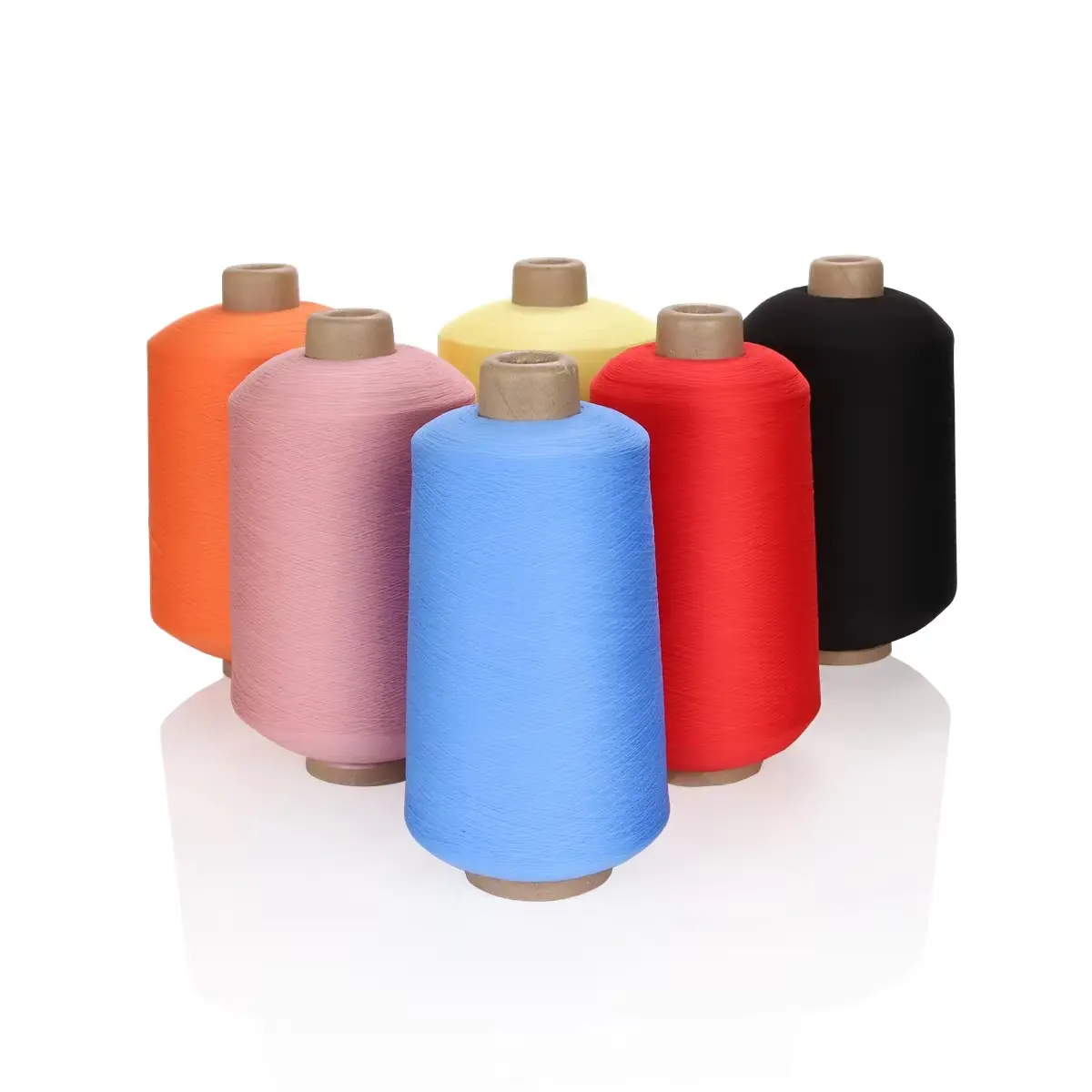
I. The Underlying Logic of Impact Resistance: The Material Nature of Low-Melting-Point Nylon Filaments
The impact resistance of low-melting-point nylon filaments (represented by PA11 FDY/DTY) stems from their unique molecular structure and bio-based material advantages. Unlike traditional nylon or PET materials, 100% bio-based PA11 is made from renewable raw materials, with a more regular molecular chain arrangement and higher crystallinity and toughness. This gives the fiber itself excellent “deformation resistance and resilience” capabilities.
When the shoe upper is subjected to impact, the molecular chains of the low-melting-point nylon filament can quickly disperse the external force, preventing fiber breakage or shoe upper damage caused by localized stress concentration. At the same time, its high toughness ensures that the fiber does not easily undergo permanent deformation after impact, allowing it to quickly return to its original state, thus guaranteeing the integrity of the shoe upper and maintaining a comfortable fit during wear. Compared with ordinary nylon, low-melting-point nylon filaments have a higher elongation at break and significantly improved tear strength, maintaining stable structural performance even under repeated impact scenarios.
In addition, the low moisture absorption characteristics of low-melting-point nylon filaments also indirectly enhance impact resistance. Traditional nylon materials experience a significant decrease in toughness after absorbing moisture, greatly reducing their impact resistance; however, low-melting-point nylon filaments hardly absorb water, maintaining stable mechanical properties in both humid and dry conditions, ensuring that the shoe upper can withstand impact in various scenarios.
II. Processing Advantages: Enabling Impact Resistance Throughout the Entire Upper Production Process
The unique processing characteristics of low-melting-point nylon filaments further transform their impact resistance potential into stable performance in practical applications, providing multiple guarantees for shoe upper manufacturing.
Firstly, its excellent spinnability (high yield + low melting point) allows the fibers to form a more uniform and dense structure during the spinning process. The uniform fiber diameter and regular arrangement ensure a more balanced distribution of external forces when the shoe upper fabric is subjected to stress, avoiding localized weak points caused by uneven fiber thickness, thereby improving overall impact resistance. At the same time, the low melting point simplifies the processing process, allowing for fiber bonding and shaping without excessively high temperatures, reducing the damage to material toughness caused by high temperatures and maximizing the retention of the inherent impact resistance advantages of the nylon filament.
Secondly, low-melting-point nylon filaments possess strong adhesion and curing capabilities. During the shoe upper molding process, the fibers can be tightly bonded with other materials (such as mesh and lining) through low-temperature hot melting, forming an integrated structure. This strong bonding effect avoids the problem of “pinhole weak areas” in traditional sewing processes – when the shoe upper is impacted, the bonded areas will not easily separate, and the fibers and fabric work together to withstand the force, further enhancing the impact and tear resistance of the shoe upper.
In addition, the material’s easy dyeability also provides indirect support for impact resistance. Compared with PET materials, low-melting-point nylon filaments have a lower dyeing temperature, and the fiber structure is less susceptible to damage during the dyeing process. The uniform dyeing effect not only ensures the stability of the shoe upper’s appearance but also avoids fiber embrittlement caused by improper dyeing processes, ensuring that the impact resistance performance remains undiminished after processing.
III. Practical Application Verification: Comprehensive Implementation from Scenarios to Performance
In actual shoe upper usage scenarios, the impact resistance of low-melting-point nylon filaments has been fully verified. Whether it’s the frequent running and jumping impacts in sports scenarios or the ground friction and stone impacts during daily walking, shoe uppers made with this material demonstrate excellent durability. Its strong wear resistance and impact resistance complement each other – high wear resistance reduces wear and tear on the upper caused by friction, while impact resistance withstands damage from sudden external forces. The combination of these two properties significantly extends the lifespan of the shoe upper. At the same time, this material produces fewer microplastic particles after impact, reducing both environmental pollution and the potential impact of microplastics on human skin, achieving a dual advantage in performance and environmental protection.
In products requiring high impact resistance, such as outdoor shoes and athletic shoes, low-melting-point nylon filament performs exceptionally well. For example, shoe uppers using PA11 DTY 70D/72F or 150D/48F specifications maintain structural integrity after multiple simulated impact tests, showing no significant damage, deformation, or delamination, fully meeting the stringent durability requirements of footwear products.
IV. Balancing Performance and Environmental Protection: A Sustainable Impact-Resistant Solution
Today, material selection is not only about performance but also closely linked to the concept of sustainable development. Low-melting-point nylon filament (bio-based PA11 series) not only guarantees impact resistance but also achieves breakthroughs in environmental protection. Its 100% bio-based raw materials avoid competition with food resources, and its production process reduces CO₂ emissions by at least 50% compared to PET materials, aligning with the global trend of green manufacturing.
This dual advantage of “performance + environmental protection” makes low-melting-point nylon filament an ideal choice for footwear manufacturers – meeting consumers’ core needs for impact-resistant and durable shoe uppers while also aligning with the market’s pursuit of sustainable products. Furthermore, the material has obtained multiple international certifications, including OEKO-TEX® STANDARD 100, SGS, and ISO 9001, ensuring that it meets international standards in safety, environmental protection, and quality, providing reliable material support for global footwear brands.
Conclusion: Material Innovation Drives Upgraded Shoe Upper Quality
The impact resistance of the shoe upper is a core reflection of product durability and user experience. Low-melting-point nylon filaments, with their unique material toughness, processing advantages, and environmentally friendly characteristics, provide a solid guarantee for the impact resistance of shoe uppers. They address the shortcomings of traditional materials in terms of impact resistance and wear resistance, while also achieving the goal of sustainable development.
Post time: Jan-07-2026