
How to Import Hot Melt Yarn Safely & Efficiently
For textile manufacturers, garment factories, webbing producers, and upholstery businesses, hot melt yarn has become a key material for bonding, stitching, and structural reinforcement. Importing hot melt yarn from global suppliers can offer stable quality, competitive pricing, and flexible customization—but doing it safely requires clear processes, careful supplier selection, and strict quality control.
This guide walks you through every step to import hot melt yarn with confidence, minimize risks, and ensure your orders arrive on time, as described, and ready for production.
Table of Contents
- Why Hot Melt Yarn Importing Needs Careful Planning
- Key Types & Specifications of Hot Melt Yarn
- How to Verify a Reliable Hot Melt Yarn Supplier
- Step-by-Step Safe Import Process for Hot Melt Yarn
- Quality Control & Pre-Shipment Inspection Checklist
- Customs, Documentation & Compliance Tips
- Logistics, Packaging & Shipping Best Practices
- Common Risks & How to Avoid Them
- Final Tips for Long-Term Stable Supply
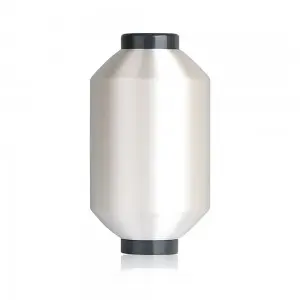
Why Hot Melt Yarn Importing Needs Careful Planning
Hot melt yarn is used in shoe materials, webbings, lace, underwear, suit linings, collars, sofas, and industrial textiles. Its performance—melting point, bonding strength, tenacity, color fastness, and stability—directly affects your product quality and production efficiency.
Poor-quality or mis-specced hot melt yarn can cause:
- Bonding failure in production
- Color inconsistency or dyeing issues
- Shrinkage or deformation after processing
- Delays and extra costs from returns or reworks
Importing safely means reducing these risks before production even starts.
Key Types & Specifications of Hot Melt Yarn
Before you order, confirm exactly what you need. Matching specs to your application avoids costly mistakes.
| Yarn Type | Common Specifications | Typical Applications |
|---|---|---|
| Low-Melting Nylon Hot Melt Yarn | 40D, 70D, 150D; semi-dull, bright | Shoe uppers, webbings, lace, sewing thread |
| Low-Melting Polyester Hot Melt Yarn | 50D, 75D, 100D, 150D | Thermal bonding fabric, interlinings, knitted fabrics |
| Bio-Based PA11 Hot Melt Yarn | FDY, DTY; 20D–150D | High-end apparel, eco-friendly textiles, durable webbings |
Key parameters you must confirm:
- Melting temperature range
- Tenacity and breaking strength
- Dyeing performance and color fastness
- Shrinkage rate
- Spinnability and compatibility with your equipment
How to Verify a Reliable Hot Melt Yarn Supplier
A trustworthy supplier is your first line of safety. Focus on these areas:
1. Production & Quality System
- Modern spinning lines and consistent mass production
- In-house lab for melting point, strength, color, and shrinkage testing
- Certifications such as ISO 9001, OEKO‑TEX Standard 100, RoHS, SGS
2. Customization Capability
- Ability to produce custom denier, filament, melting point, and color
- Stable supply of raw materials
- Flexible order volumes (trial orders acceptable)
3. Export & Documentation Experience
- Professional export team
- Complete commercial documents, inspection reports, and certificates
- Clear communication on lead time, sampling, and logistics
4. Real Customer Feedback
- Ask for existing client references or use cases
- Review on-time delivery rate and quality stability
- Request actual product photos, videos, or lab reports
Step-by-Step Safe Import Process for Hot Melt Yarn
Follow this structured workflow to keep your import on track.
1. Requirement Confirmation & Sample Approval
- Define yarn type, denier, filament, melting point, color, quantity
- Request lab dip or yarn sample
- Test in your own production line to confirm performance
- Sign off sample approval before mass production
2. Formal Quotation & Contract
- Confirm unit price, MOQ, lead time, payment terms
- Clarify packaging, shipping method, and destination port
- Include quality tolerance and penalty clauses in the contract
3. Mass Production Monitoring
- Confirm production start date
- Request mid-production photos or videos
- Keep clear communication for any adjustments
4. Pre-Shipment Inspection (PSI)
- Conduct full inspection before shipment
- Verify specs, color, length, weight, packaging
- Only ship when inspection passes
5. Documentation & Customs Clearance
- Prepare commercial invoice, packing list, bill of lading
- Obtain quality certificate, test report, origin certificate
- Complete local import customs declaration
6. Arrival, Receipt & Storage
- Check outer packaging for damage
- Count quantity and verify batch numbers
- Store in dry, cool conditions away from moisture and heat
Quality Control & Pre-Shipment Inspection Checklist
Use this checklist to avoid receiving non-conforming goods.
- ✅ Yarn type and raw material match the order
- ✅ Denier, filament count, and tensile strength within tolerance
- ✅ Melting point meets your required range
- ✅ Color consistent with approved sample
- ✅ No broken filaments, oil stains, or impurities
- ✅ Length per cone and total weight accurate
- ✅ Packaging clean, dry, sealed, and labeled clearly
- ✅ Test reports available and valid
Customs, Documentation & Compliance Tips
Each country has different import rules for textile yarns. Stay compliant:
Required Basic Documents
- Commercial Invoice
- Packing List
- Bill of Lading / Air Waybill
- Sales Contract
- Quality Inspection Report
- Certificate of Origin (for preferential tariffs if applicable)
Compliance Notes
- Check if your country requires textile safety or chemical testing
- Ensure materials meet environmental and safety standards
- Use correct HS code for accurate tariff calculation
- Keep full documents for at least 3–5 years
Logistics, Packaging & Shipping Best Practices
Hot melt yarn is sensitive to moisture, pressure, and high temperatures.
Packaging
- Use vacuum packing or waterproof film to prevent moisture
- Secure cones to avoid shifting during transit
- Label each carton with item, spec, batch, quantity, gross/net weight
Shipping
- Choose reliable freight forwarders with textile experience
- Avoid long-term exposure to high temperatures in containers
- Select appropriate shipping term (EXW, FOB, CIF, DAP) based on your needs
- Track cargo status in real time
Common Risks & How to Avoid Them
| Risk | How to Prevent |
|---|---|
| Wrong specifications | Free sample testing + written confirmation |
| Quality inconsistency | Third-party inspection + clear tolerance |
| Delivery delay | Confirm production schedule + penalty clause |
| Customs issues | Complete documents + correct HS code |
| Damage in transit | Waterproof, firm packaging + insurance |
| Payment risk | Use secure payment terms; avoid full advance |
Final Tips for Long-Term Stable Supply
- Build long-term cooperation with 1–2 core suppliers
- Keep safety stock for peak production periods
- Update specs and standards regularly
- Maintain clear, written communication
- Review performance quarterly (quality, delivery, service)
Conclusion
Importing hot melt yarn safely is not complicated—it’s about clear requirements, reliable suppliers, strict quality control, and complete documentation. When you follow a standardized process, you reduce risks, lower costs, and ensure stable material supply for your business.
Whether you need low‑melting nylon, low‑melting polyester, or high‑performance bio‑based PA11 yarns, safe importing protects your production line, your brand reputation, and your bottom line.
Post time: Apr-20-2026