
Feedback from South American lace wholesalers: The dyeing depth of polyester hot-melt yarn meets the needs of dark-colored designs
In the South American lace market, dark colors have always held an irreplaceable core position. Deep black, rich purple, vintage navy, and mellow burgundy not only match the aesthetic preferences of local weddings, festivals, and everyday wear, but also imbue lace products with a high-end attribute through layering and texture—from the delicate trim of wedding dresses to the understated luxury of lingerie, and the grand embellishment of formal gowns, the market demand for dark lace has never waned.
However, South American lace wholesalers have long faced a thorny problem: traditional hot-melt yarn is prone to problems such as “insufficient dyeing depth, poor color fastness, and obvious color difference” in the dark dyeing process. Either the dark colors appear too light or gray, failing to achieve the rich texture expected in the design; or they easily fade after washing and rubbing, affecting the product’s reputation; even worse, uneven dyeing leads to differences in shade within the same batch of lace, directly causing inventory backlog and customer complaints. This industry pain point was finally effectively resolved after they came into contact with polyester hot melt yarn.
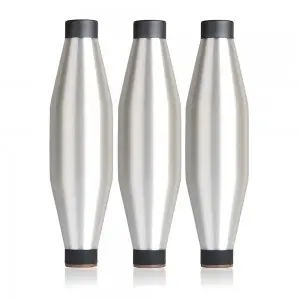
Carlos Almeida, a lace wholesaler from Brazil, has been in the lace trade for nearly 15 years, covering retail outlets and designer brands in several countries in southeastern South America. After testing the polyester hot-melt yarn, he gave it high praise: “We’ve tried many hot-melt yarns before, and dark dyeing has always been a weakness—the ‘ruby red’ that customers wanted always turned out to be a light pink, and the ‘pure black’ had a grayish tone. Many designers gave up on collaborations because the colors didn’t meet their standards. But the polyester hot-melt yarn is completely different. After dyeing, the color saturation is extremely high, as deep as ink, and as rich as wine red, perfectly matching our design needs.” Carlos further shared the details of the test: “We applied the polyester hot-melt yarn to high-precision lace weaving. From the dyeing stage, its color uniformity far exceeded expectations, and there was no color difference in the entire batch of yarn; after five washing tests, the color hardly faded, and the lace products did not become rough to the touch due to dyeing. More importantly, its hot-melt bonding performance was not affected by dark dyeing. The yarn bonded firmly during weaving, and the finished lace was not easily deformed, with crisp edges. Customer feedback after receiving the goods was all positive, and the repurchase rate increased compared to before.” 30%. Sofia Rodriguez, a wholesaler also from Colombia specializing in high-end lace dress fabrics, stated, “South American designers have extremely high demands for dark lace, requiring not only rich colors but also a lustrous sheen and breathability. Polyester hot-melt yarn perfectly meets these requirements – the dyed yarn retains a good luster, giving dark lace a delicate texture under light, while maintaining breathability and comfort against the skin. Our navy blue lace dress fabric, produced using it, has become the designated material for high-end dress brands in Peru, Chile, and other countries.” Why does polyester hot-melt yarn excel in dark dyeing? The core lies in its material characteristics and process compatibility. The dense and uniform fiber structure of polyester hot-melt yarn allows for full dye penetration during dyeing, preventing “surface dyeing” and achieving a true “deep dyeing” effect. Simultaneously, its high-temperature resistance and washability ensure a stronger bond between dark dyes and fibers, effectively preventing fading and discoloration. For the South American lace industry, these characteristics of “meeting dyeing depth standards + excellent colorfastness + stable performance” perfectly meet the core needs of the market.
In the highly competitive South American lace market, the detailed texture of a product directly determines its market competitiveness. Polyester hot-melt yarn, with its excellent dark-dyeing performance, not only helps wholesalers solve long-standing supply chain problems but also gives them an advantage in collaborations with designer brands and retail outlets. As Carlos said, “High-quality raw materials are the foundation of our products. Polyester hot-melt yarn has upgraded the texture and reputation of our dark-dye lace, which is a crucial source of confidence for our market expansion.”
Post time: Jan-26-2026