
Customized Spools for Low-Melting Point Nylon Filaments: Solutions for Wholesalers’ Large-Volume Order Needs
In the supply chains of industrial textiles, automotive interiors, and medical consumables, low-melting point nylon filaments, with their controllable melting characteristics between 60-160℃, have become a core raw material for achieving seamless material bonding. For wholesalers engaged in the trade of these specialty fibers, spools, as the core carrier for product storage, transportation, and delivery, have a design that directly impacts procurement costs, warehousing efficiency, and customer satisfaction. Especially in handling large-volume orders, standardized spools often face problems such as insufficient loading capacity, high transportation losses, and poor compatibility. Customized spool solutions are becoming the key to solving these pain points.
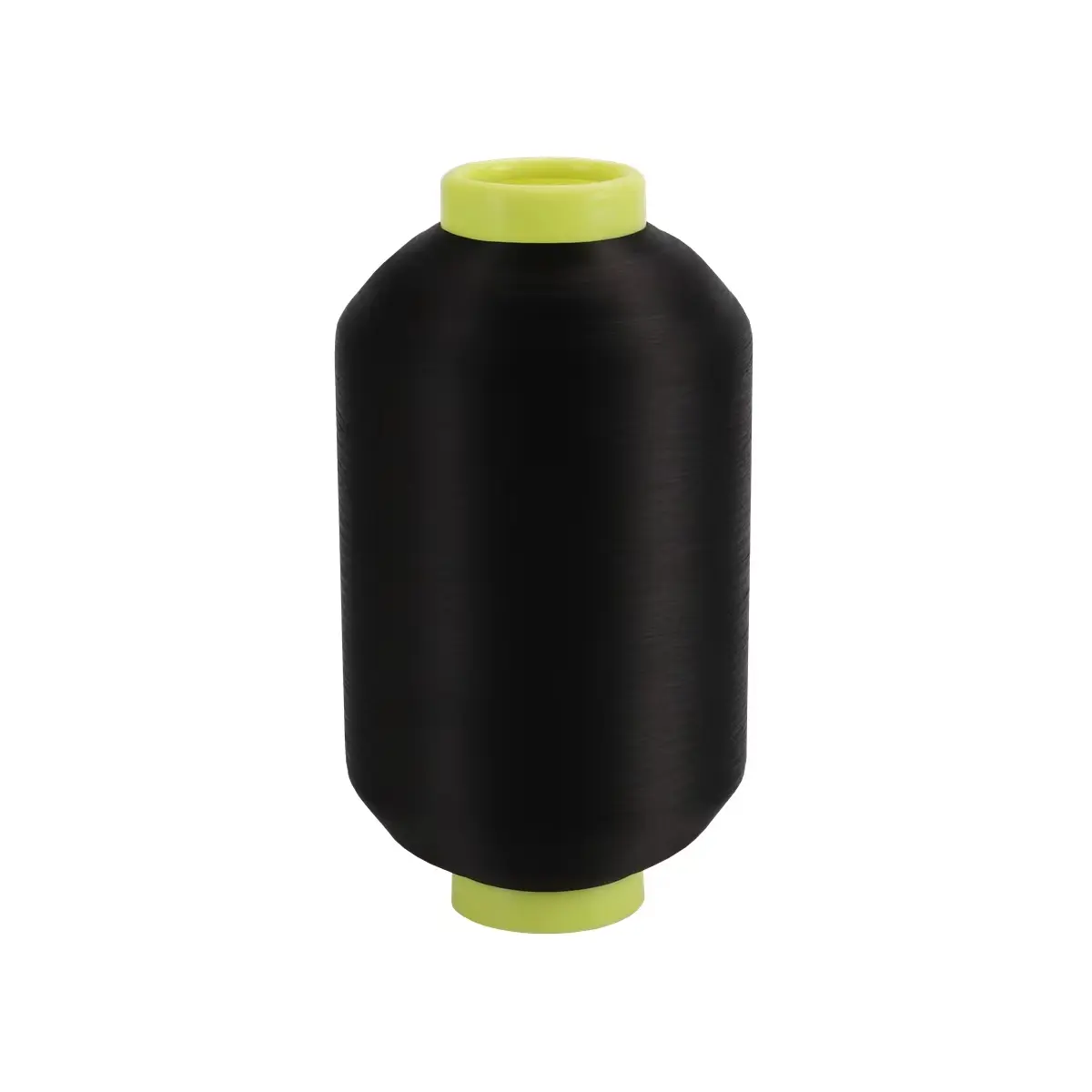
Wholesaler Pain Points Under Large-Volume Demand: The Overlooked Spool Cost Trap
When wholesalers of low-melting point nylon filaments serve downstream factories, the demand for large-volume orders (single spool length usually exceeding 1000 meters) is increasing year by year. However, traditional standardized spools often lead wholesalers into multiple difficulties:
- High transportation and warehousing costs: Small-sized spools have limited loading capacity per roll, resulting in container space utilization of less than 30%. Data from a European wholesaler shows that when using standard spools for transportation, the additional transportation cost per ton of filament (including packaging and labor) is 40% higher than for large-volume orders. At the same time, dispersed small rolls require more storage space, reducing shelf turnover rate by more than 25%.
- Increased downstream customer complaints: Low-melting point nylon filaments require extremely high tension stability. Traditional spools have large concentricity deviations (exceeding 0.5mm), which easily leads to skipped stitches and broken filaments on downstream factories’ high-speed textile equipment. More seriously, some spool materials have insufficient temperature resistance, deforming during transportation in tropical regions, causing filament adhesion and directly leading to customer production downtime.
- Spool change efficiency hinders cooperation: Downstream large customers, such as automotive interior manufacturers, often have continuous production lines. Standard spools require frequent replacement, with each spool change taking an average of 15 minutes, resulting in 2-3 hours of production interruption per day just from spool changes. It’s not uncommon for wholesalers to lose long-term orders due to problems with spools.
Customized Spools: The Core Logic for Precisely Matching Large-Volume Packaging Needs
Customized spools are not simply about increasing the size; they involve a comprehensive optimization design based on the physical characteristics of low-melting-point nylon filaments, the wholesaler’s distribution scenarios, and the production needs of downstream customers. The core solution focuses on three dimensions:
1. Specification Parameter Customization: From “General” to “Exclusive” Adaptation Upgrade
Spool specifications must be designed based on precise control of data across the entire supply chain. We will work with wholesalers to confirm three core parameters:
- Load Capacity Customization: Calculate the optimal load capacity per spool based on the denier (e.g., 50D, 100D) and breaking strength of the low-melting-point nylon filament. For example, for 50D filament with a melting point of 85℃, the customized high-strength spool can increase the length per roll from the standard 500 meters to 2000 meters, while ensuring stable load-bearing capacity.
- Structural Size Customization: Optimize the outer diameter, inner diameter, and width of the spool based on the wholesaler’s container specifications (e.g., 20-foot standard container) and the downstream customer’s winding equipment interface. For the needs of Southeast Asian wholesalers, our large-volume spools can increase the load capacity per container by 60% and are directly compatible with the mainstream textile machinery spindles in the region.
- Tension Control Customization: By adjusting the spiral angle and depth of the spool’s grooves, the tension fluctuation during filament winding is controlled within ±5%. Combined with precise winding equipment, this prevents stretching deformation of the low-melting-point filament due to uneven tension, ensuring consistent performance during downstream melt bonding.
2. Material and Process Customization: Balancing Protection and Cost
The easy adhesion and anti-aging requirements of low-melting-point nylon filaments place special demands on the spool material. We abandon traditional single-material wood or plastic and adopt a composite structure design:
- Core Load-Bearing Layer: We use Q235B high-quality carbon structural steel, with a yield strength of not less than 235MPa, ensuring that large-volume packaging (single spool weight exceeding 3 tons) does not deform during lifting and transportation. – Protective Contact Layer: Made of high-density EVA material with a surface roughness of Ra0.8μm, reducing friction damage between the filament and the spool. For humid regions, an additional moisture-proof coating is added to control the moisture content of the spool between 8% and 12%, preventing filament degradation due to moisture absorption.
- Environmentally Friendly and Lightweight Design: Recyclable ABS polycarbonate is used for non-load-bearing parts, reducing the spool weight by 15% while maintaining strength, further lowering transportation costs. All materials comply with EU RoHS standards, meeting the environmental requirements of high-end customers.
During the production process, the spools undergo 12 inspection procedures, including concentricity testing, load testing, and salt spray testing, ensuring a product qualification rate of over 99%.
3. Customized Additional Functions: Enhancing Supply Chain Competitiveness
The value of customized spools extends to the entire distribution chain, providing differentiated service support for wholesalers:
- Visual Identification: RFID chips and high-definition printing areas are pre-set on the spool body to record key information such as the filament’s melting point, batch number, and production time in real-time, facilitating inventory management and traceability for wholesalers, especially suitable for mixed storage of multi-specification products.
- Convenient Loading and Unloading Design: Standardized lifting rings are added to both ends of the spool for port handling needs, combined with anti-slip patterns, increasing loading and unloading efficiency by 30% and reducing the risk of port demurrage fees.
- Circular Reuse Program: A spool recycling and reuse service is provided for long-term cooperating wholesalers. Through professional cleaning and inspection, the spools can be reused more than 8 times, reducing the packaging cost per purchase.
The Actual Value of Customized Spools: From Cost Control to Partnership Upgrades
A wholesaler serving European automotive interior suppliers achieved significant efficiency improvements by using customized large-roll spools: transportation costs per batch of goods decreased by 28%, downstream customers’ spool change downtime was reduced by 60%, and the volume of cooperative orders increased by 40% within six months. This case demonstrates the core value of customized spools – they are not only tools for carrying products but also strategic carriers for wholesalers to optimize their supply chain and enhance customer loyalty.
For wholesalers of low-melting-point nylon filaments, the essence of the demand for large-roll spools is the pursuit of supply chain efficiency. Customized spool solutions address cost, loss, and compatibility issues at the source by precisely matching distribution scenarios, optimizing product protection, and extending service functions. In today’s increasingly competitive specialty fiber trade, choosing customized spools means choosing to build core competitiveness through attention to detail.
Post time: Dec-17-2025