
China vs Vietnam Hot Melt Yarn Suppliers Comparison: Which Is Better for Your Business in 2026?
Table of Contents
- What Is Hot Melt Yarn & Key Buying Criteria
- China Hot Melt Yarn Suppliers: Strengths & Weaknesses
- Vietnam Hot Melt Yarn Suppliers: Strengths & Weaknesses
- Head-to-Head Comparison Table
- Cost, Lead Time & MOQ Comparison
- Quality, Certifications & Technical Support
- Which Supplier Fits Your Business Best?
- Final Sourcing Tips for Hot Melt Yarn Buyers
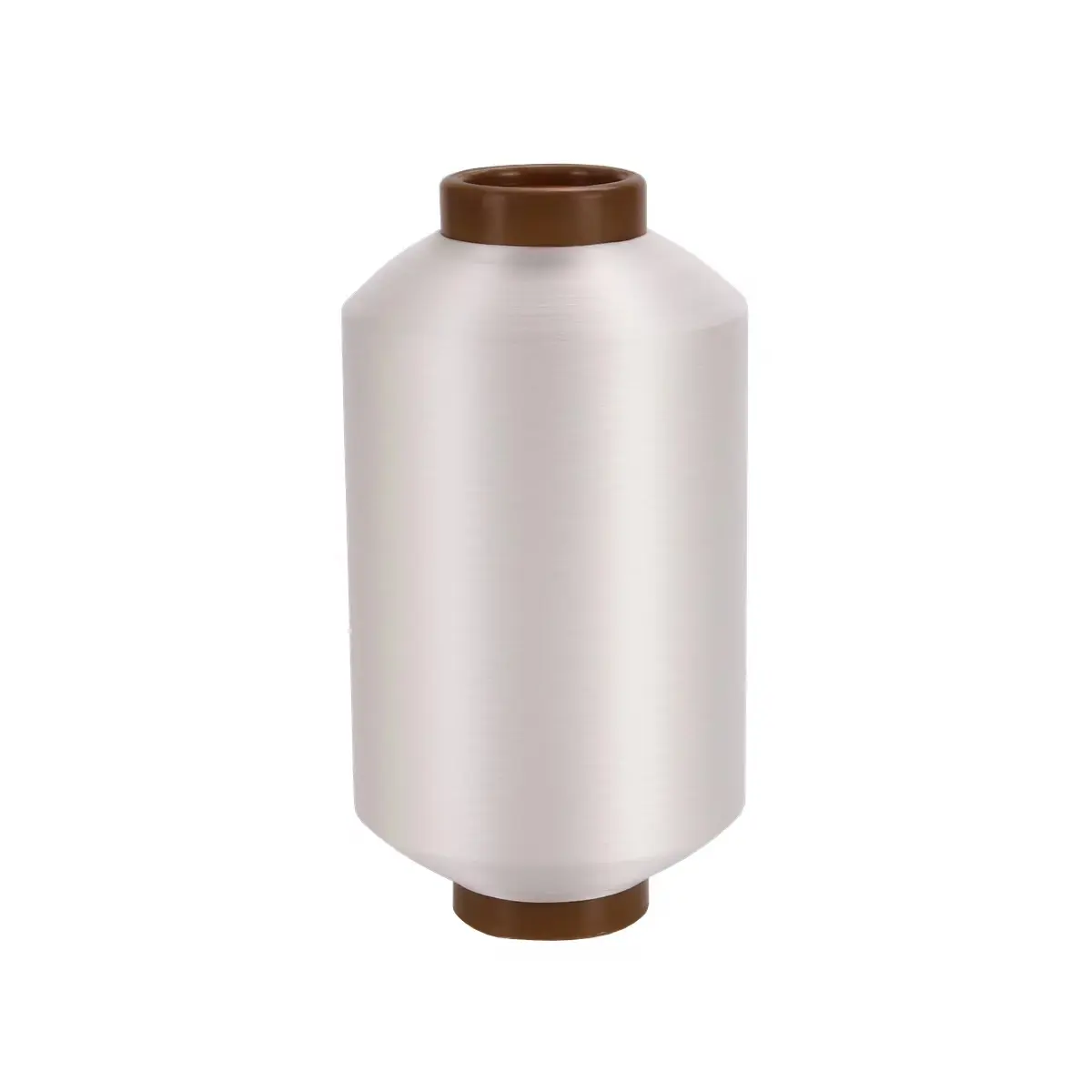
What Is Hot Melt Yarn & Key Buying Criteria
- Melting point stability and bonding strength
- Low or high melting specifications
- Color fastness and dyeing consistency
- MOQ flexibility and lead time
- Certifications (ISO, OEKO‑TEX, ROHS, SGS)
- Customization for special applications
- Supply chain stability and logistics
China Hot Melt Yarn Suppliers: Strengths & Weaknesses
Strengths
-
Full industrial chain & massive capacity
Integrated upstream raw material, masterbatch, spinning, and texturing support stable large‑batch output. Suitable for mass orders and long‑term contracts.
-
Strong technical & customization capability
Mature in polyester low melt, nylon low melt, PA11 bio‑based, and high tenacity hot melt yarns. Supports custom deniers, filaments, melting points, and colors.
-
Strict quality control & global certifications
Most qualified suppliers hold ISO 9001, OEKO‑TEX Standard 100, ROHS, and SGS, meeting EU and US market requirements.
-
Fast lead times & flexible logistics
Mature shipping networks with efficient sea and air freight. Quick response for samples, trials, and reorders.
-
Stable supply & low disruption risk
Self‑sufficient in raw materials and equipment, less dependent on imports.
Weaknesses
- Higher labor & operating costs
Unit costs higher than Vietnam for standard low‑end products.
- Strict environmental policies
May affect production scheduling during peak compliance periods.
Vietnam Hot Melt Yarn Suppliers: Strengths & Weaknesses
Strengths
- Lower labor & overall production cost
- Significantly lower than China’s underlying costs, offering a price advantage for standard and general-purpose thermal fuses.Favorable export tariffs
Benefiting from numerous free trade agreements, exports to markets such as the EU and the US enjoy distinct tariff advantages.
- Proximity to Southeast Asian manufacturing hubs
Positioned close to end-stage garment and footwear manufacturing plants to shorten local delivery cycles.
- Less strict environmental compliance pressure
Production for small and medium-sized orders offers high flexibility.
Weaknesses
- Incomplete upstream supply chain
Heavy reliance on the import of slices, auxiliaries, and equipment means that fluctuations in raw material supplies impact delivery lead times.
- Limited technical & R&D capacity
The product portfolio primarily consists of standard low-melting-point offerings, while capabilities for bio-based, high-strength, and custom-melting-point products remain relatively weak.
- Smaller scale & capacity constraints
The majority of factories are small to medium-sized and face significant pressure from large-volume orders with extremely tight deadlines.
- Certification coverage uneven
Some manufacturers lack mandatory certifications for high-end markets, such as OEKO-TEX.
- Logistics & infrastructure less mature
Port and inland transportation efficiency is lower than in China, and congestion is prone to occur during peak seasons.
Head-to-Head Comparison Table
| Item | China Hot Melt Yarn Suppliers | Vietnam Hot Melt Yarn Suppliers |
|---|---|---|
| Production Scale | Large, high output, stable mass supply | Medium to small, limited peak capacity |
| Technical Level | High, strong R&D, custom formulas | Medium, mostly standard products |
| Product Range | Full: low melt, PA11 bio‑based, high tenacity | Mainly standard polyester/nylon low melt |
| Customization | High: denier, melting point, color, strength | Low to medium: limited customization |
| Lead Time | 7–15 days bulk; 3–5 days samples | 15–25 days bulk; 5–7 days samples |
| MOQ Flexibility | Medium–high; supports trial orders | Medium–low; small orders less favorable |
| Cost Level | Medium–high | Lower |
| Certifications | Comprehensive (ISO, OEKO‑TEX, ROHS, SGS) | Basic certifications; uneven coverage |
| Supply Stability | Very high; complete industrial chain | Medium; dependent on imported materials |
| Logistics Efficiency | High; mature ports & shipping | Medium; congestion risk in peak seasons |
Cost, Lead Time & MOQ Comparison
Cost Structure
- China
Higher labor, utilities, and environmental costs. More competitive in mid‑to‑high end, functional, and customized hot melt yarns.
- Vietnam
Lower labor and factory rent cost. More competitive for standard, mass, low‑cost hot melt yarns.
Lead Time
- China: 7–15 days for bulk orders; 3–5 days for samples.
- Vietnam: 15–25 days for bulk orders; 5–7 days for samples.
MOQ
- China: supports medium trial orders; large factories accept flexible MOQs for long‑term clients.
- Vietnam: MOQ generally lower for small batches but less efficient for ultra‑large orders.
Quality, Certifications & Technical Support
Quality Consistency
Certifications
Technical Support
Which Supplier Fits Your Business Best?
Choose China Suppliers If
- You need high-performance, bio-based, PA11, or customized hot melt yarn
- You value stable quality and full international certifications
- You have medium-to-large orders with tight lead times
- You serve high-end apparel, automotive, or branded buyers
- You need strong R&D and after-sales technical support
Choose Vietnam Suppliers If
- You source standard, general-purpose hot melt yarn in large volumes
- You prioritize cost reduction for basic bonding applications
- You manufacture locally in Southeast Asia and want nearby supply
- You export to regions with tariff benefits for Vietnamese goods
- You have relatively loose lead time and less strict certification needs
Final Sourcing Tips for Hot Melt Yarn Buyers
- Request lab dips and performance tests before bulk orders, including melting point, bonding strength, and color fastness.
- Verify certifications relevant to your market, especially for apparel and home textiles.
- Ask for actual production scale and raw material supply stability to avoid delays.
- Negotiate MOQ, lead time, and defect rate clearly in contracts.
- Consider dual sourcing for supply chain resilience: China for high‑mix, Vietnam for high‑volume standard items.
Conclusion
Post time: May-18-2026