
Case Study of a North American Lace Wholesaler: PA11 DTY Filament Enhances Fabric Texture with its Luster
In the North American lace market, premiumization, quality, and sustainability have become core industry trends. Lace wholesalers are constantly seeking new raw materials that can break through the limitations of traditional fabrics to meet the stringent requirements for lace texture in local wedding dresses, high-end lingerie, and home décor sectors.
PA11 DTY filament, with its unique luster and excellent physical properties, has become a core choice for North American lace wholesalers to upgrade their product systems. It not only gives lace fabrics a more sophisticated visual and tactile experience but also creates a differentiated advantage in market competition.
The North American lace market’s pursuit of texture is reflected in its meticulous control over luster. Local consumers prefer lace with a soft, lustrous sheen and a three-dimensional, layered look, rejecting the harsh shine of ordinary synthetic fabrics and distinguishing itself from the matte simplicity of natural fibers. This just-right luster has become an important standard for defining high-end lace. Meanwhile, the North American market’s increasingly stringent requirements for sustainability mean that products made with environmentally friendly raw materials and produced using low-carbon methods are more readily accepted by brands and consumers. This has laid the market foundation for the application of bio-based PA11 DTY filament.
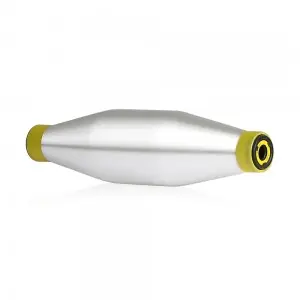
A company deeply rooted in the wholesale lace market in eastern North America previously faced long-standing challenges with traditional lace raw materials: lace made from ordinary nylon 6 DTY filament had a stiff luster, was prone to uneven sheen, and had poor abrasion resistance, making the lace edges prone to pilling and snagging; while natural fibers such as silk, although possessing excellent luster, were expensive and easily damaged, making it difficult to meet the demands of large-scale wholesale. To solve this problem, the wholesaler introduced bio-based PA11 DTY filament as a core raw material to create a high-end lace series, ultimately achieving a comprehensive upgrade in fabric texture. The products have gained high recognition among wedding dress and high-end lingerie buyers.
PA11 DTY filament precisely meets the luster requirements of the North American lace market, primarily due to its unique molecular structure and spinning characteristics. As a long-chain carbon nylon material, PA11 DTY filament has a finer and smoother fiber surface. When light comes into contact with it, it creates a uniform diffuse reflection, exhibiting a soft, lustrous sheen similar to silk, yet without the fragility of silk. Compared to traditional PET fabrics, PA11 DTY filament has superior dyeing properties. In water-dyeing and high-temperature dyeing processes, the pigment can adhere evenly to the interior of the fiber, resulting in a more lasting luster for the lace after dyeing. It will not become dull due to washing or use, allowing the lace fabric to maintain its delicate texture over long-term use.
In practical applications, this North American wholesaler selected customized PA11 DTY filament specifications based on the needs of different lace categories: for lightweight lace used in wedding veils and evening gown skirts, fine denier PA11 DTY filaments such as 20D/24F and 40D/36F were used. Their lightweight fiber characteristics give the lace a translucent, soft sheen, and when combined with techniques like hot stamping and beading, the luster becomes richer and more layered, perfectly matching the ceremonial requirements of wedding gowns. For heavier lace used in high-end lingerie and home décor, coarser denier specifications such as 70D/72F and 150D were selected. The density of the fibers makes the lace more lustrous, while also improving the fabric’s crispness and making the patterns more three-dimensional and vivid.
Besides the advantage in luster, the physical properties of PA11 DTY filament also solved many problems for the North American lace wholesaler in practical operations. Its low moisture absorption ensures that lace fabrics will not deform or lose their luster due to moisture when used in regions with varying humidity levels in North America, and its dimensional stability far exceeds that of ordinary nylon fabrics. Its excellent abrasion resistance significantly reduces losses during production, transportation, and use, minimizing microplastic generation. This improves product yield for wholesalers and aligns with the environmental protection principles of the North American market. Simultaneously, the high toughness and excellent spinning properties of PA11 DTY filaments allow for higher pattern fidelity in lace weaving, accurately rendering complex openwork and jacquard patterns, further enhancing the craftsmanship value of lace.
On the production side, the low-carbon properties of PA11 DTY filaments also empower brand building for North American wholesalers. As a 100% bio-based raw material, the carbon emissions during the production process of PA11 DTY filaments are at least 50% lower than those of PET fabrics, and it does not compete with food crops for resources, complying with North American environmental regulations and consumers’ green consumption concepts. This wholesaler integrated this advantage into its product promotion, making it a key selling point that attracted long-term partnerships with high-end wedding dress and home furnishing brands, and allowing it to stand out in the homogenized lace wholesale market.
This high-end lace series, based on PA11 DTY filament, received positive feedback in the North American market upon its launch: wedding dress buyers believed its luster and texture were comparable to imported high-end lace, but at a more competitive price; high-end lingerie brands valued its soft feel and lasting luster, making it a core fabric supplier. Currently, this series accounts for over 60% of the wholesaler’s high-end lace product sales, becoming a core product for expanding its presence in the North American mid-to-high-end lace market.
The successful application of PA11 DTY filament in the North American lace wholesale case demonstrates the crucial role of raw material innovation in upgrading fabric texture. Against the backdrop of the North American lace market’s deepening development towards high-end and sustainable products, PA11 DTY filament, with its customized luster, excellent physical properties, and low-carbon environmental attributes, provides the lace industry with a brand-new raw material solution. For global lace wholesalers, choosing PA11 DTY filament is not only key to enhancing fabric quality and creating differentiated products, but also an important strategy to align with the global textile market’s sustainable development trend and seize a share of the high-end market.
Post time: Mar-16-2026